Unique Places to Visit in Spain: Hidden Gems, Cities & Natural Wonders
Spain has far more to explore than its most famous cities. Barcelona, Madrid, and Seville are popular for good reason, but some of the best places to visit in Spain are medieval towns, mountain villages, islands, historic monuments, national parks, and smaller cities spread throughout the country.
You can walk through the Alhambra in Granada, see the Roman aqueduct in Segovia, explore the Hanging Houses of Cuenca, hike through the Pyrenees, visit volcanic landscapes in the Canary Islands, or spend the day in a small town that feels completely different from Spain's major tourist destinations.
If you're planning a Spain itinerary and want to go beyond the usual attractions, we've put together some of the most unique places to visit in Spain, along with historic landmarks, natural attractions, cultural experiences, and a few Spain hidden gems worth adding to your trip.
Understanding Spain and Its Different Regions
Before deciding where to go in Spain, it helps to understand how the country is laid out. Spain occupies most of the Iberian Peninsula in southwestern Europe, sharing the peninsula with Portugal. It also includes the Balearic Islands in the Mediterranean Sea and the Canary Islands off the northwest coast of Africa.
Spain is divided into 17 autonomous communities, and the differences between them can be significant. Each region has its own history, traditions, food, landscapes, and in some cases its own language.
Madrid sits near the center of the country and is Spain's capital. Barcelona is on the Mediterranean coast in Catalonia, while Valencia sits farther south along the same coast. Andalusia covers much of southern Spain and includes popular destinations such as Seville, Granada, Córdoba, Málaga, and the Costa del Sol.
Northern Spain includes regions such as Galicia, Asturias, Cantabria, and the Basque Country, where the climate and scenery can be much greener than what many travelers picture when they think of Spain. Bilbao is located in the Basque Country, while Santiago de Compostela is in Galicia.
The country's geography also includes major mountain ranges such as the Pyrenees along the border with France and the Sierra Nevada in southern Spain. Add Spain's Mediterranean and Atlantic coastlines and its islands, and it's easy to see why a trip to northern Spain can feel very different from a vacation in Andalusia or the Canary Islands.
Spain also has several regional languages. Spanish, often called Castilian, is spoken throughout the country, while Catalan, Galician, Basque, and other languages are also used in their respective regions.
Understanding these differences is useful when planning a trip because Spain isn't a destination where every city feels the same. Traveling between regions can mean experiencing different architecture, food, landscapes, languages, and traditions.
1. The Alhambra in Granada
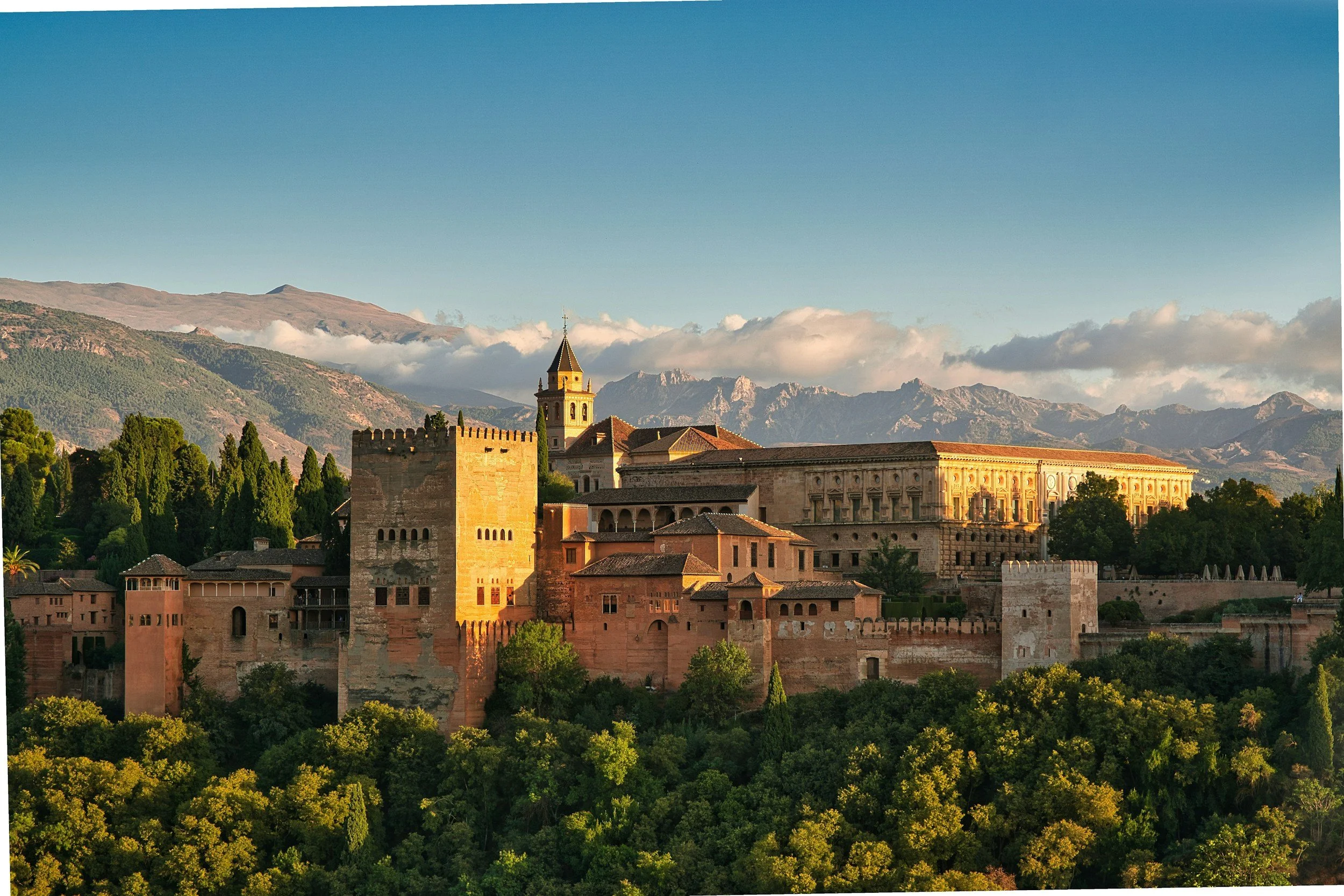
The Alhambra is one of the most famous places to visit in Spain and one of the country's most important historic sites. Located above Granada in Andalusia, the palace and fortress complex is closely connected to Spain's Islamic history.
Much of the Alhambra that visitors see today developed during the Nasrid period beginning in the 13th century. Its palaces are known for detailed tilework, carved plaster, courtyards, fountains, and Islamic architecture.
Visit the Nasrid Palaces
The Nasrid Palaces are among the most popular parts of the Alhambra. Inside, you'll find courtyards, decorative walls, geometric patterns, inscriptions, and rooms that once formed the royal residence.
Entry can be timed, so this is one attraction you should plan before arriving in Granada. Tickets can sell out, particularly during busy travel periods.
Explore the Generalife
The Generalife served as a retreat for the Nasrid rulers and is known for its gardens, courtyards, fountains, and views surrounding the Alhambra.
From different parts of the complex, you'll also get views toward Granada and the Sierra Nevada mountains.
If you're looking for historic places to visit in Spain, the Alhambra belongs near the top of the list.
2. Mezquita-Cathedral of Córdoba
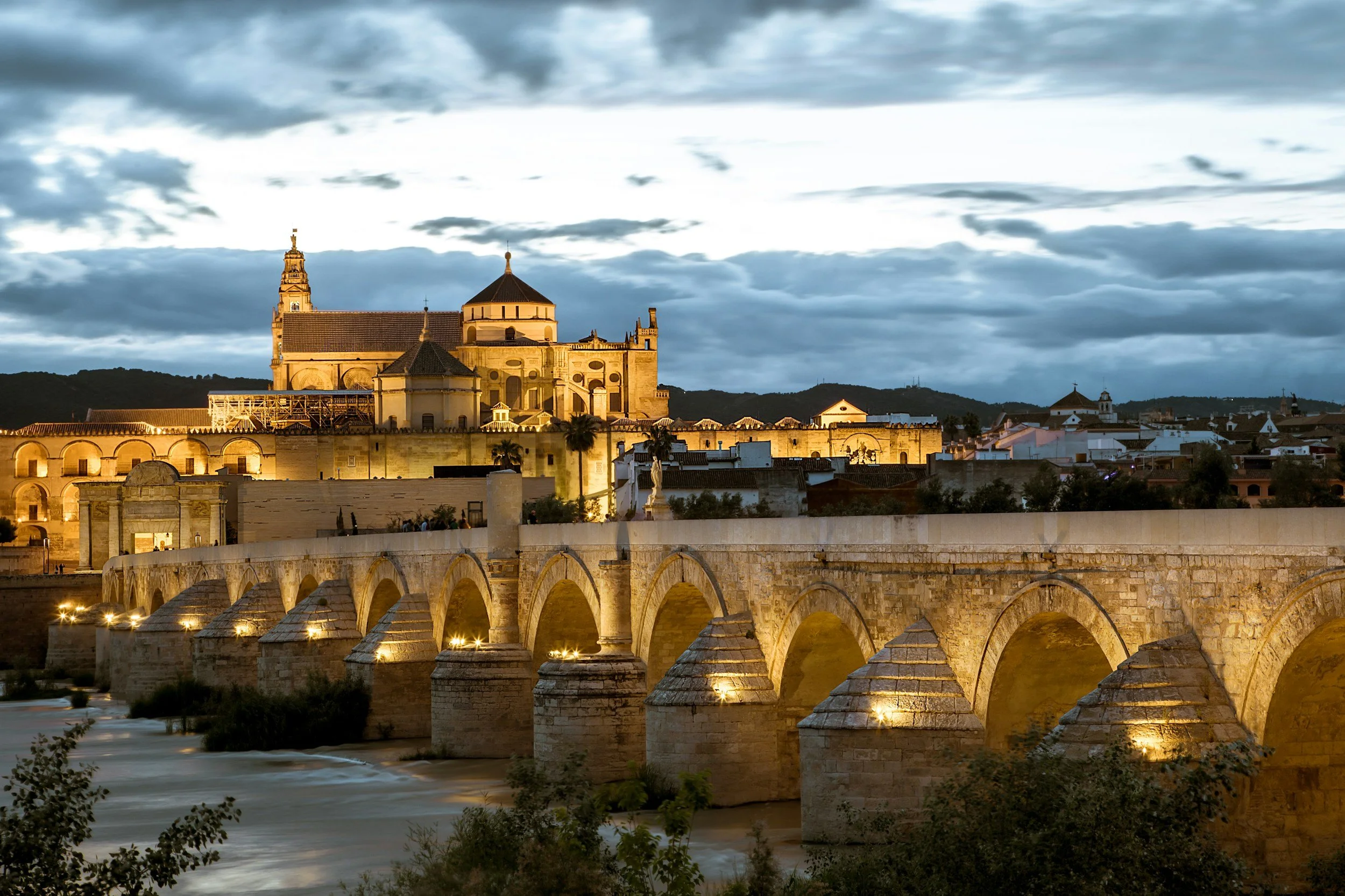
The Mosque-Cathedral of Córdoba, commonly called the Mezquita, is another important example of Spain's layered history.
The building is particularly recognizable for its rows of red-and-white arches and columns. Originally developed as a mosque beginning in the 8th century, the complex was converted into a Catholic cathedral following the Christian conquest of Córdoba in the 13th century.
Today, Islamic and Christian architectural elements exist within the same building, making it one of the most unusual historic sites in Spain.
The Mezquita is located in Córdoba's historic center, so you can easily combine your visit with a walk through the surrounding streets, courtyards, and other historic sites.
Córdoba can also be incorporated into a larger Andalusia itinerary with Seville and Granada.
3. Segovia and Its Roman Aqueduct
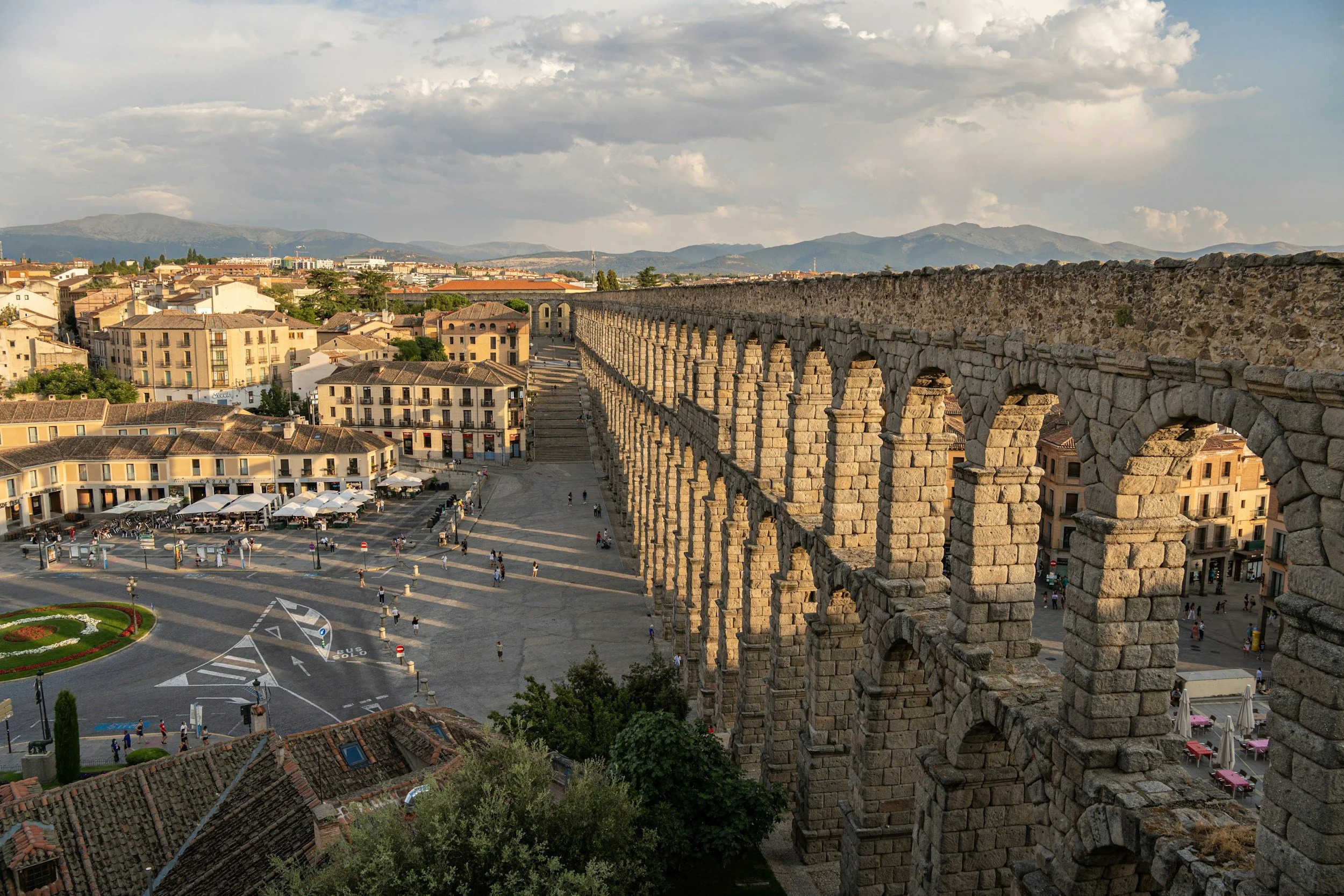
Segovia is one of the best places to visit in Spain if you're interested in Roman and medieval history.
The city's most famous landmark is the Roman Aqueduct of Segovia, which was built to transport water into the city. Its large stone arches remain one of the best-preserved Roman structures in Spain.
The aqueduct runs directly into the historic city, so you don't have to travel outside Segovia to see it. From there, you can walk through the old streets toward other major attractions.
Segovia is also home to the Alcázar of Segovia, a castle overlooking the surrounding landscape, and Segovia Cathedral.
Its location makes Segovia a popular day trip from Madrid, but staying overnight gives you more time to explore after many day visitors have left.
4. Ronda
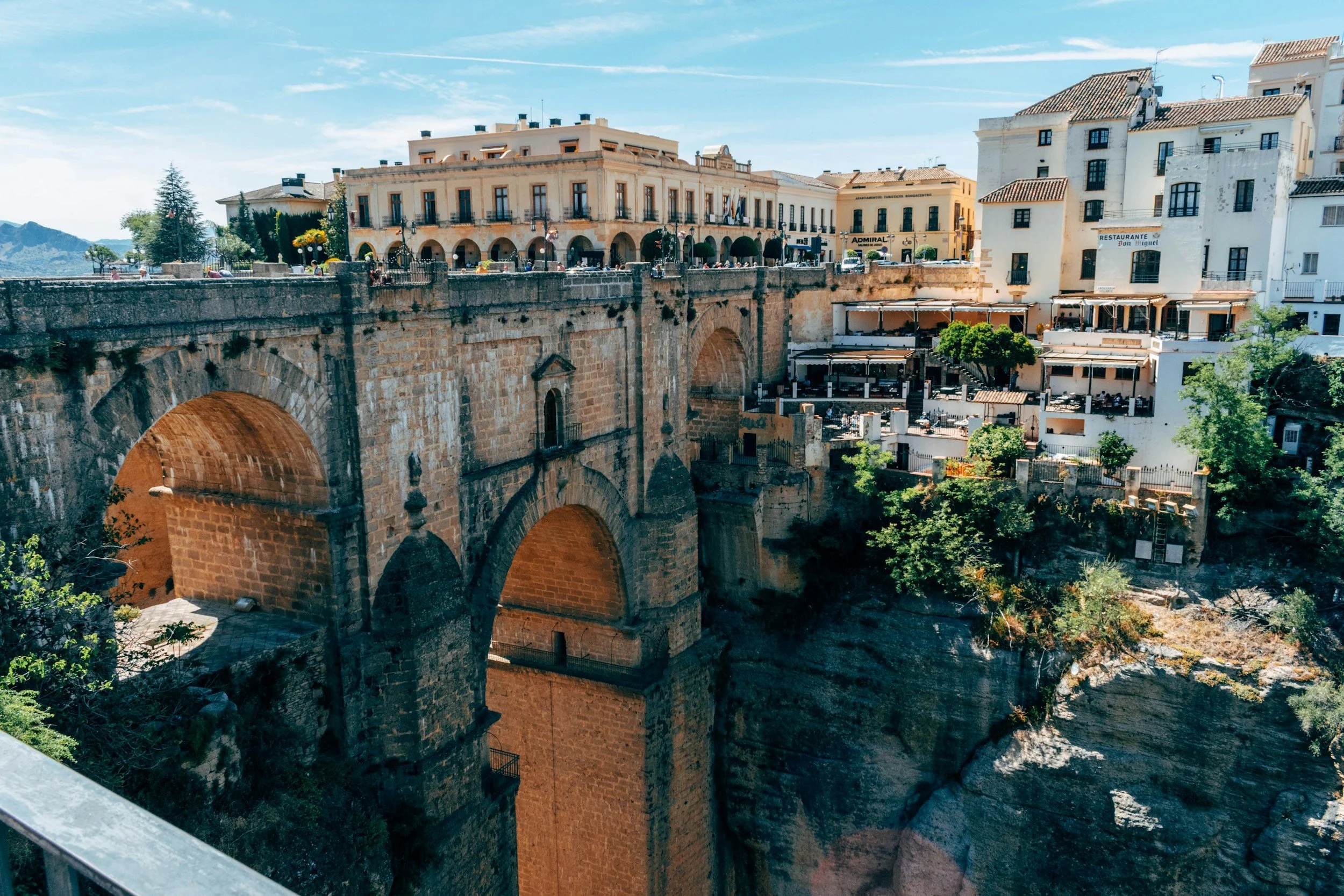
Ronda is one of the most recognizable small cities in southern Spain. Located in Andalusia, the city is divided by the deep El Tajo gorge.
The Puente Nuevo bridge spans the gorge and connects different sections of the city. It's Ronda's most famous landmark and one of the reasons the town appears on so many Spain bucket lists.
Walk through Ronda's historic streets, stop at viewpoints overlooking the surrounding countryside, and visit the Plaza de Toros if you're interested in learning more about the history of bullfighting in Spain.
Ronda is also surrounded by mountains and wine country, making it possible to combine a visit with hiking or a stop at a nearby winery.
It's a popular day trip from destinations such as Málaga, Marbella, and Seville.
5. Cuenca
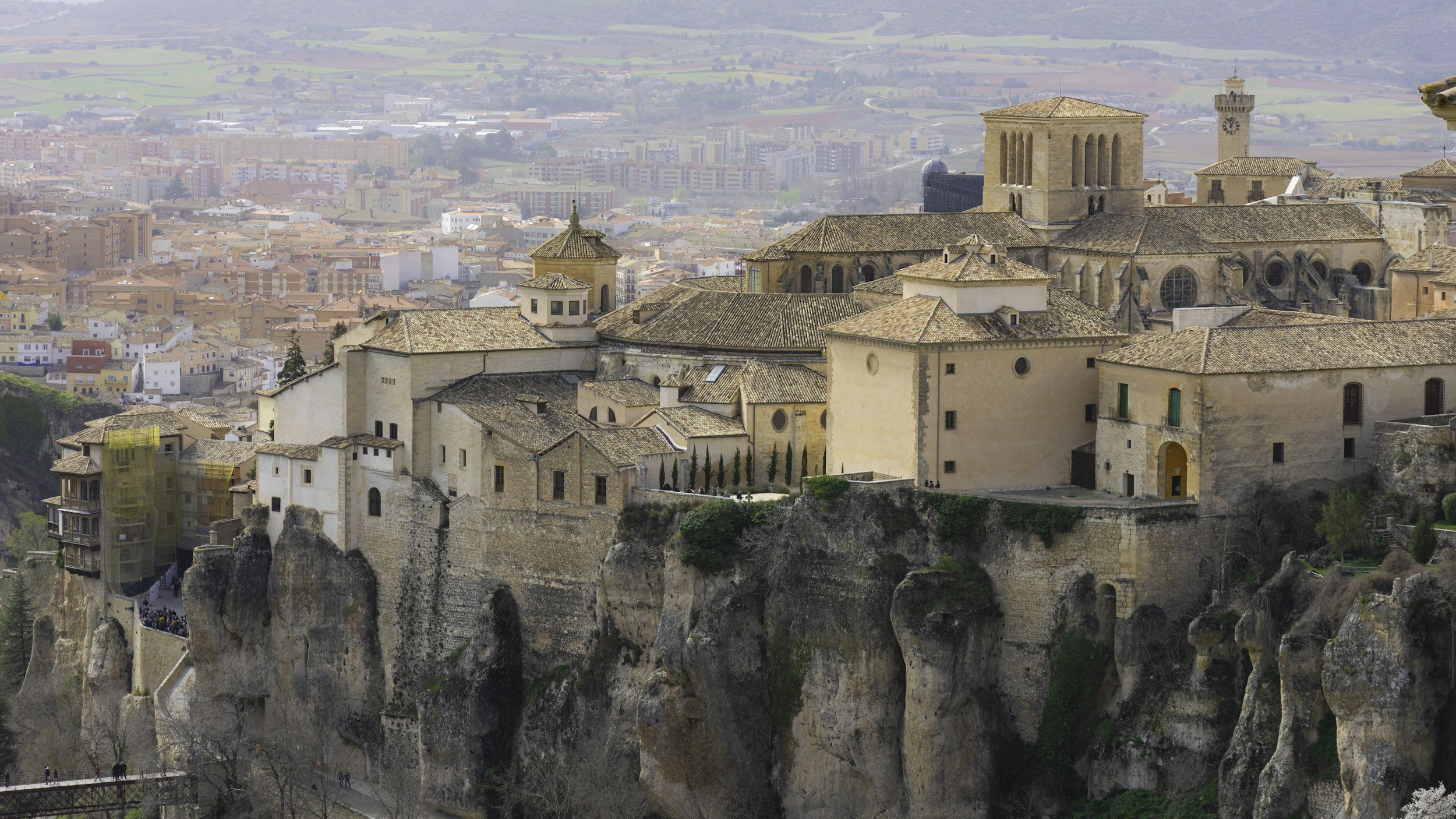
Cuenca is one of the more unusual places to visit in Spain and is best known for its Casas Colgadas, or Hanging Houses.
These historic buildings sit along the edge of the cliffs above the Huécar River gorge and have become the city's most recognizable attraction.
Cuenca's historic walled town is a UNESCO World Heritage Site, with steep streets, old buildings, plazas, and views across the surrounding landscape.
You can also visit Cuenca Cathedral and the Museo de Arte Abstracto Español, which is located inside one of the Hanging Houses.
Cuenca's location between Madrid and Valencia makes it a useful stop if you're traveling between the two cities.
6. Albarracín
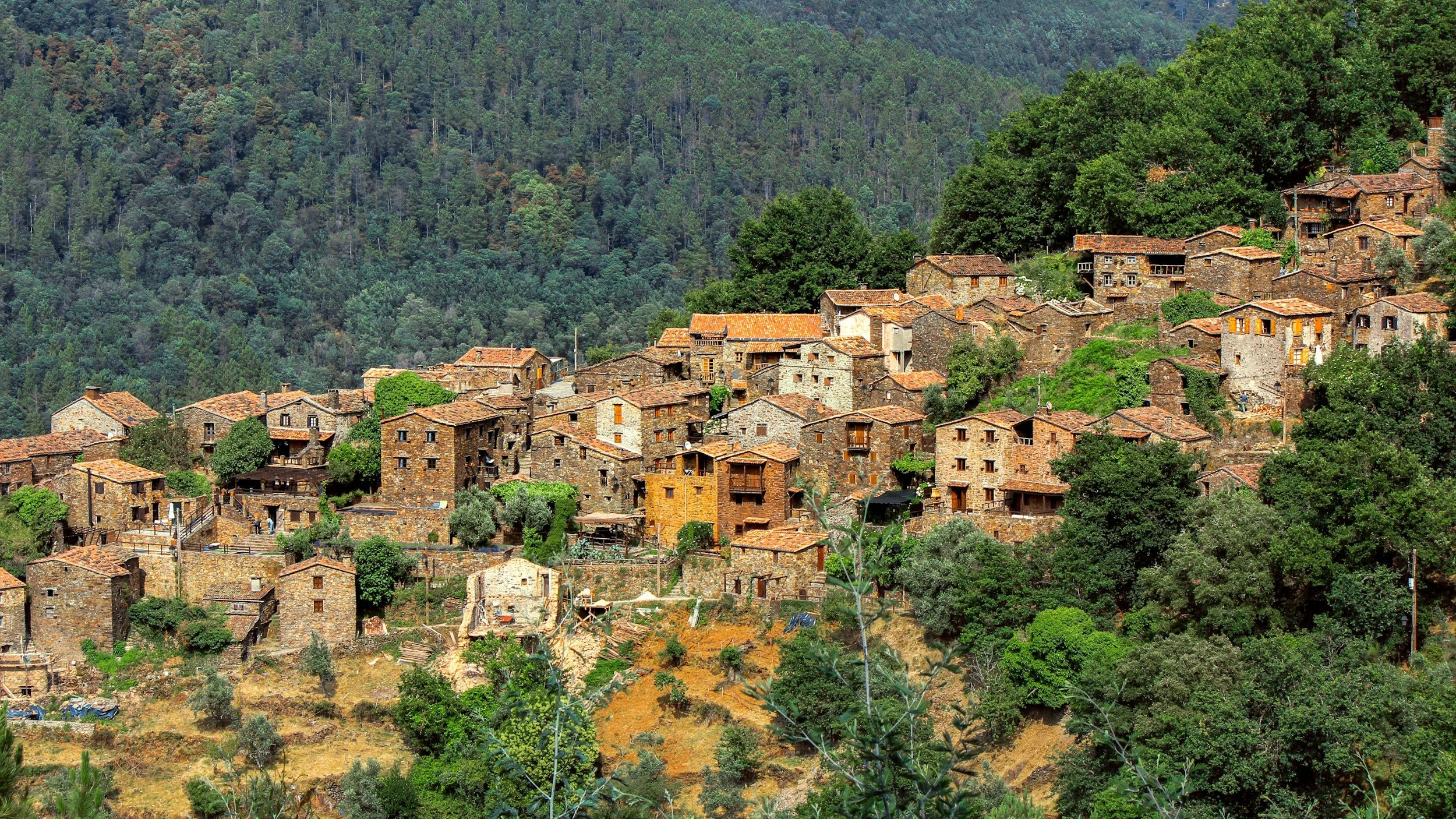
If you're looking for hidden gems in Spain, Albarracín is worth considering.
Located in the province of Teruel in Aragón, Albarracín is a small medieval town known for narrow streets, historic walls, distinctive buildings, and its hillside location.
The town's old center is compact enough to explore on foot. You can walk through the winding streets, see the cathedral, and head toward the historic walls for views over Albarracín and the surrounding countryside.
The area is also known for jamón de Teruel, a cured ham produced in the province.
Albarracín is less convenient to reach than Spain's major cities, which is part of the reason it remains outside many first-time Spain itineraries. It's best suited to travelers with a rental car or those planning a road trip through this part of the country.
7. The Canary Islands
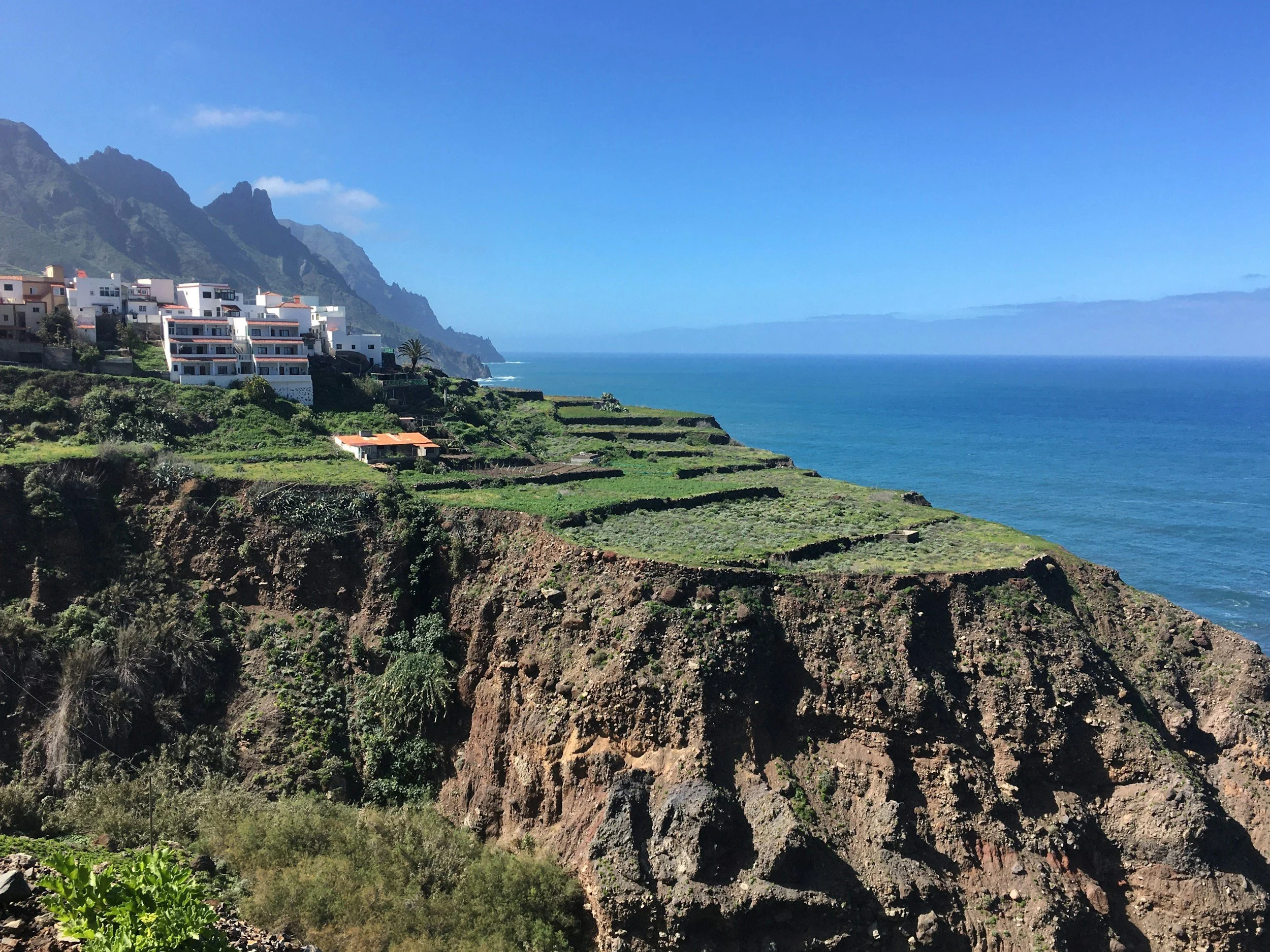
The Canary Islands are part of Spain but are located in the Atlantic Ocean off the northwest coast of Africa.
Their location and volcanic origins give them landscapes that can look completely different from mainland Spain.
The archipelago includes Tenerife, Gran Canaria, Lanzarote, Fuerteventura, La Palma, La Gomera, El Hierro, and La Graciosa.
Each island offers a different experience, making the Canary Islands a destination you could easily build an entire trip around.
Teide National Park in Tenerife
Tenerife is home to Mount Teide, the highest mountain in Spain.
Teide National Park surrounds the volcano and is known for volcanic rock formations, lava fields, hiking trails, and high-altitude scenery.
The landscape is very different from Spain's beaches and historic cities and is one of the country's most interesting natural attractions.
Timanfaya National Park in Lanzarote
Lanzarote is another excellent destination for volcanic landscapes.
Timanfaya National Park covers an area shaped by volcanic eruptions and is filled with lava fields, volcanic cones, and dark rock formations.
The scenery is one of the main reasons Lanzarote stands out among Spain's islands.
8. La Graciosa
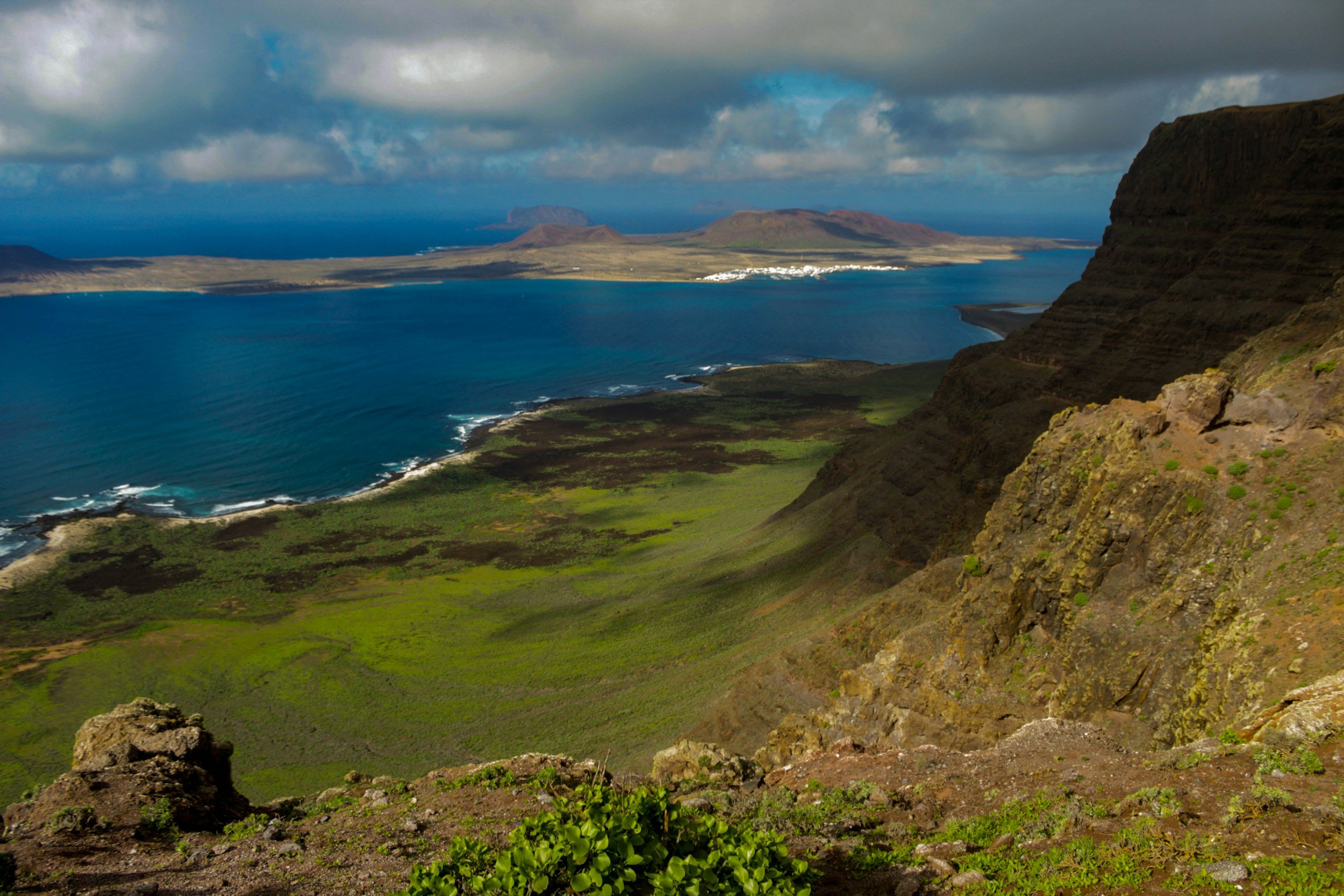
Just north of Lanzarote is La Graciosa, one of the smallest inhabited islands in the Canary Islands.
The island is known for beaches, volcanic scenery, unpaved roads, and a much slower pace than many of Spain's larger resort destinations.
Visitors typically reach La Graciosa by ferry from Lanzarote. Once there, you can explore on foot, by bicycle, or using authorized local transportation.
The island has limited development compared with larger Canary Islands and is a good option if you're looking for a quieter beach destination in Spain.
Spend your time walking or biking between beaches, enjoying the volcanic landscape, and stopping for seafood in Caleta de Sebo.
9. The Pyrenees
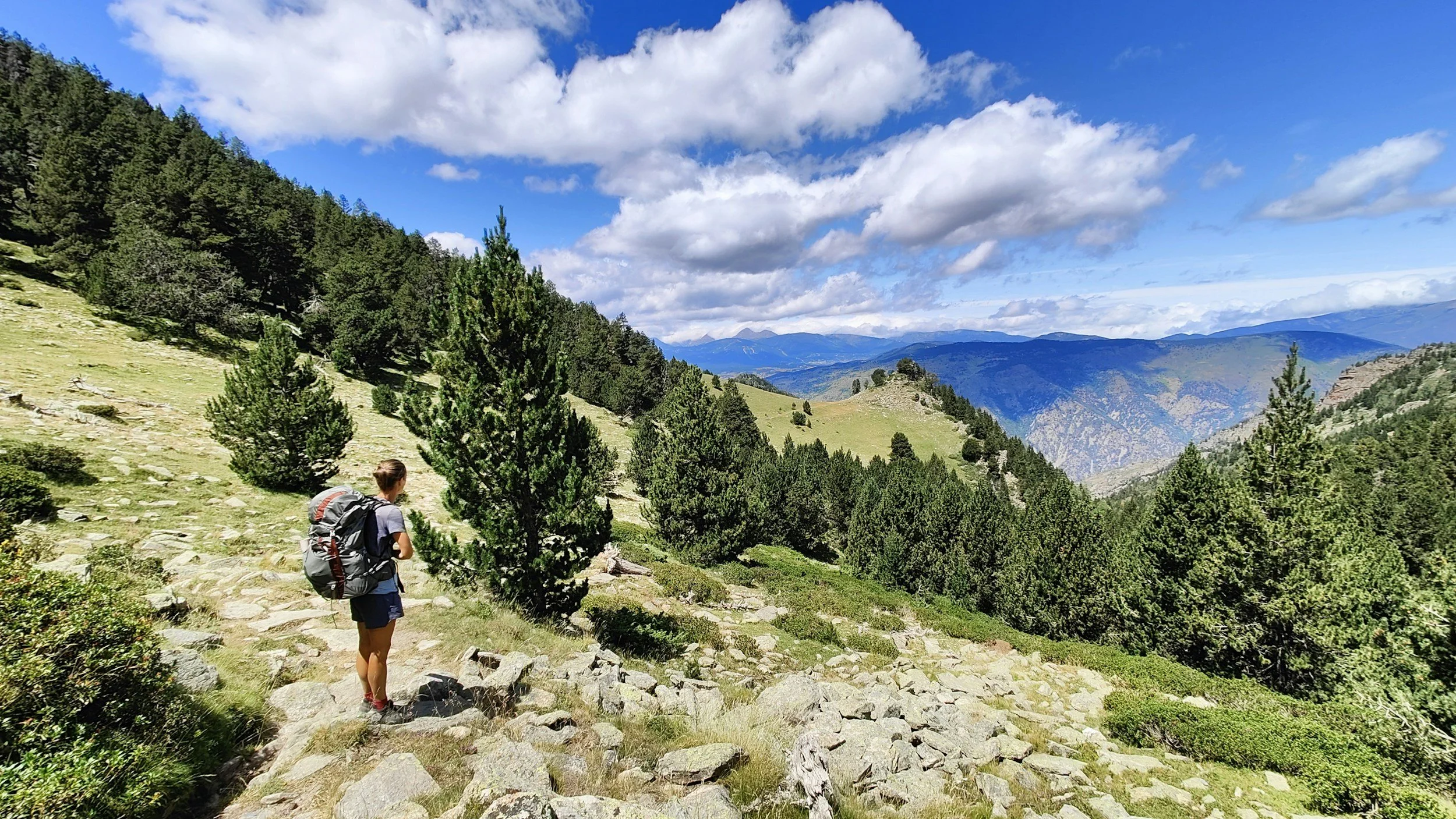
The Pyrenees form a natural border between Spain and France and offer some of the country's best mountain scenery.
This is one of the best places in Spain for hiking, outdoor activities, mountain villages, and winter sports.
The Spanish side of the Pyrenees stretches across several regions, so there are many different places to explore depending on your itinerary.
Ordesa y Monte Perdido National Park
Ordesa y Monte Perdido National Park is one of the major natural attractions in the Spanish Pyrenees.
The park includes mountains, valleys, canyons, waterfalls, forests, and hiking routes ranging from shorter walks to more challenging trails.
If your image of Spain is mostly beaches and cities, the Pyrenees show just how varied the country's landscape can be.
The region changes significantly throughout the year, with hiking during warmer months and snow activities available in parts of the mountain range during winter.
10. Doñana National Park
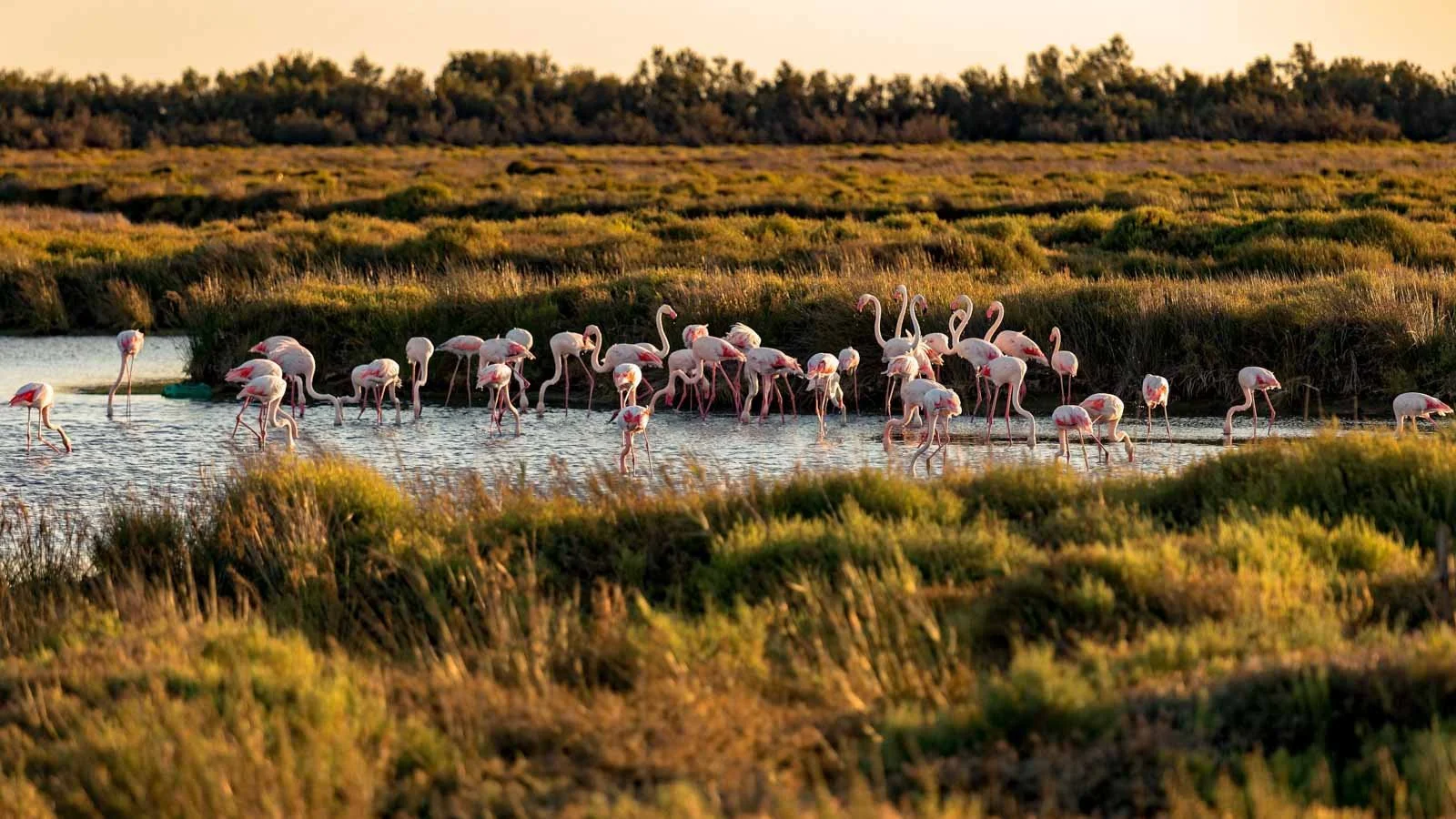
Doñana National Park in Andalusia protects one of Europe's important wetland areas.
The park contains marshes, dunes, forests, and other habitats that support a large variety of wildlife. It's particularly important for migratory birds and is also habitat for the endangered Iberian lynx.
Because parts of the protected area have restricted access, guided tours are one of the ways visitors can explore the park.
Doñana is a good addition to an Andalusia itinerary if you want to take a break from historic cities and see one of Spain's most important natural areas.
11. Gaudí's Barcelona
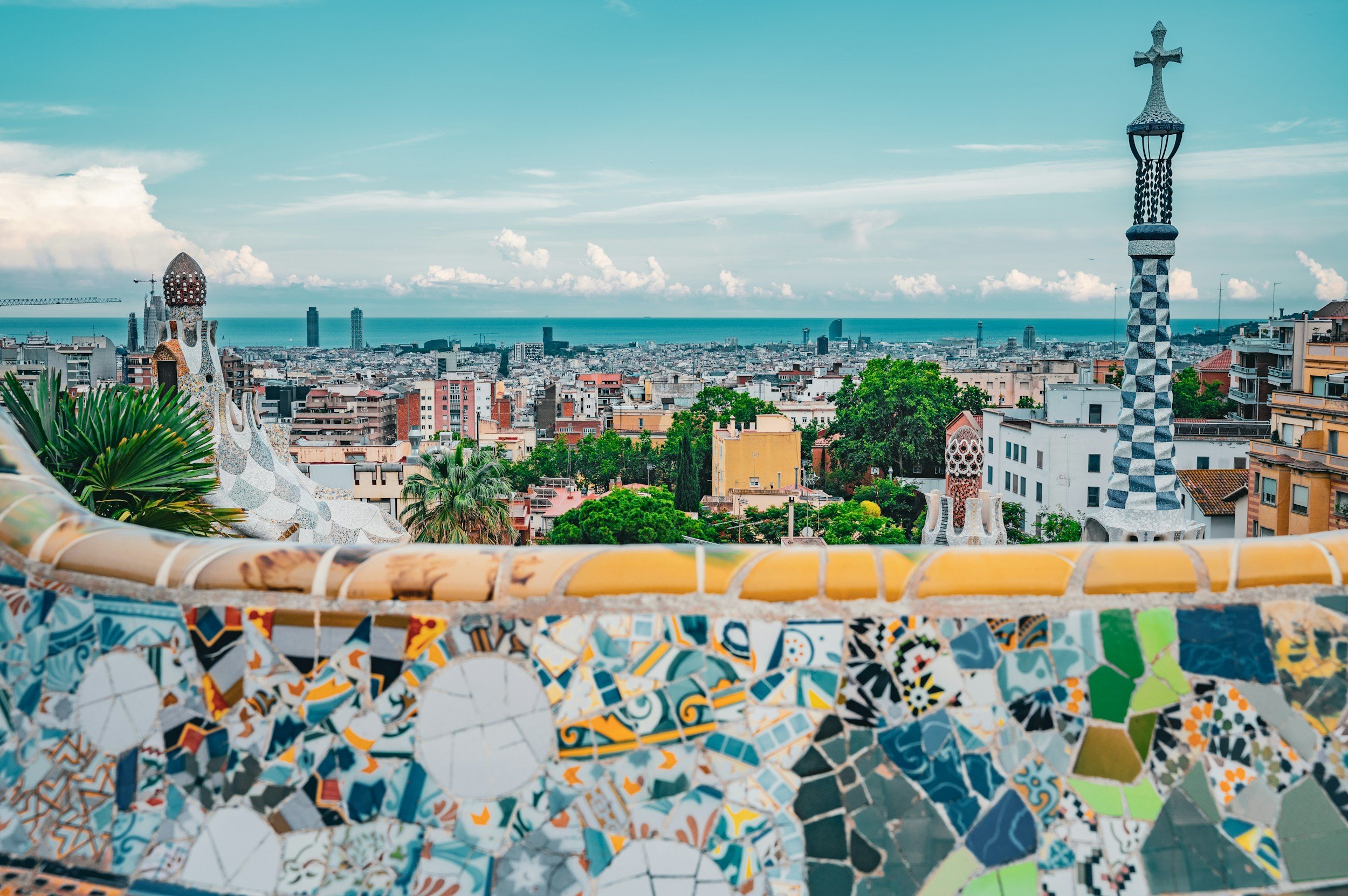
Barcelona isn't exactly a hidden gem in Spain, but its architecture makes it one of the most unique cities in Europe.
Much of that is connected to architect Antoni Gaudí, whose work appears throughout the city.
Sagrada Família
The Sagrada Família is Barcelona's most famous landmark and Gaudí's best-known work.
Construction began in 1882, and Gaudí became involved with the project shortly afterward. Its towers, detailed facades, and interior make it unlike a traditional European cathedral.
Because it's one of the most visited attractions in Spain, buying tickets ahead of time is a good idea.
Park Güell
Park Güell is another popular place to see Gaudí's work. The park includes colorful mosaics, unusual architectural forms, gardens, and views over Barcelona.
Casa Batlló and Casa Milà
Casa Batlló and Casa Milà, also called La Pedrera, are two additional Gaudí buildings in central Barcelona.
Both can be visited, making it possible to build an entire day around Gaudí architecture if it's one of your main reasons for visiting Barcelona.
12. City of Arts and Sciences in Valencia
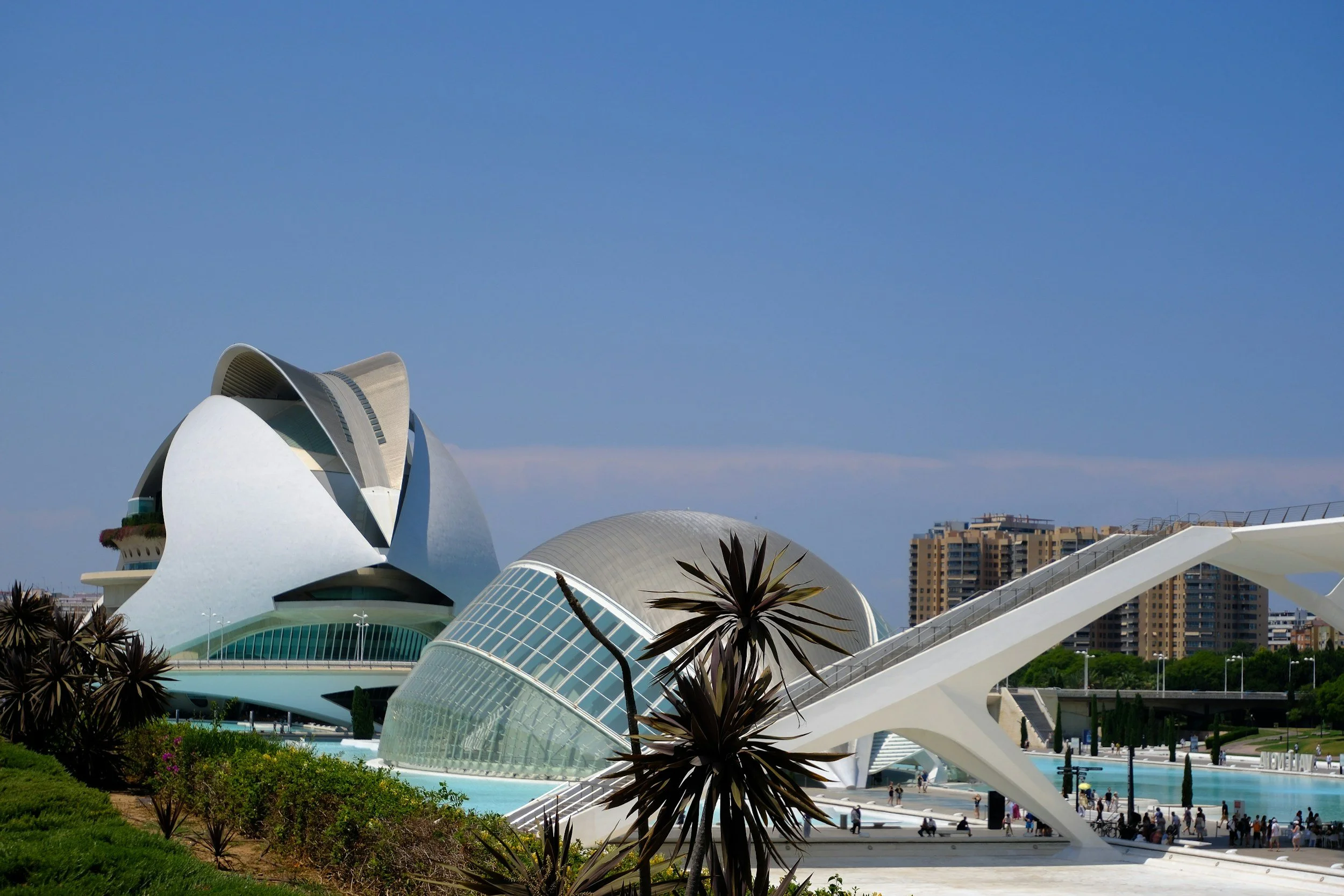
Valencia's City of Arts and Sciences is one of the best examples of modern architecture in Spain.
The large complex was designed primarily by Santiago Calatrava, with contributions from Félix Candela, and contains several cultural and entertainment attractions.
The futuristic white buildings sit around large reflecting pools, creating one of the most recognizable modern cityscapes in Spain.
The complex includes a science museum, performing arts venue, Hemisfèric, and Oceanogràfic, one of Europe's largest aquariums.
Valencia itself is worth spending several days exploring. The city combines historic neighborhoods, beaches, modern architecture, parks, and a food scene closely associated with paella.
13. Guggenheim Museum Bilbao
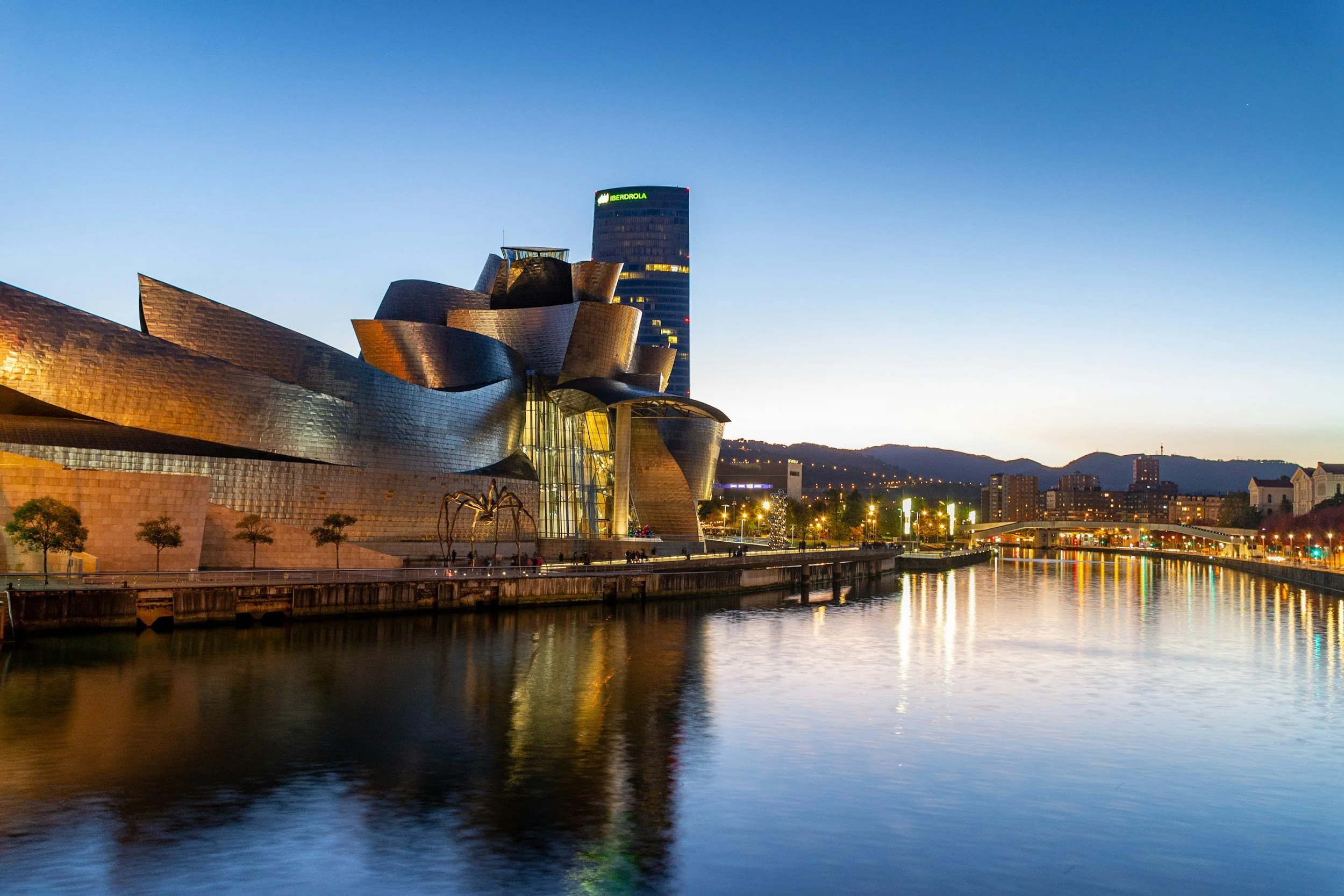
Bilbao is one of the best places to visit in northern Spain, and the Guggenheim Museum is its most famous modern landmark.
Designed by architect Frank Gehry, the museum opened in 1997 and is covered in large titanium panels that create its distinctive exterior.
Inside, you'll find modern and contemporary art exhibitions.
Outside the museum, one of the most recognizable works is Jeff Koons' Puppy, a large flower-covered sculpture positioned near the entrance.
Bilbao is also a good starting point for exploring the Basque Country, where you'll find a different language, food culture, and landscape from many other parts of Spain.
14. Mallorca's Hidden Coves
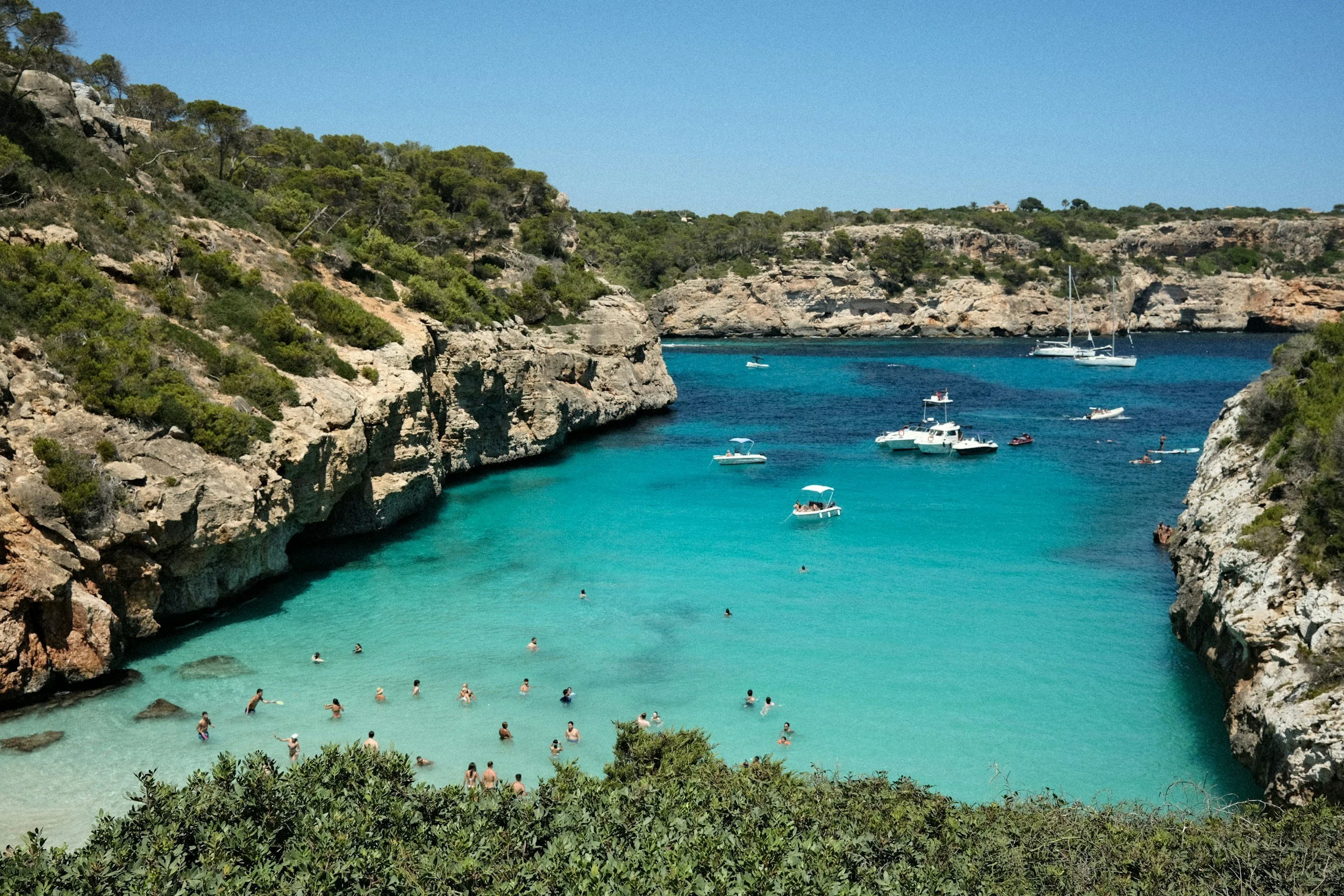
Mallorca is the largest of Spain's Balearic Islands and one of the country's most popular beach destinations.
While the island has large resorts and busy beaches, you can also find smaller coves, mountain scenery, historic towns, and quieter areas away from the main tourist centers.
Cala Deià
Cala Deià is a small rocky cove on Mallorca's northwest coast near the village of Deià.
The cove is surrounded by steep terrain and clear Mediterranean water, making it a popular stop when exploring the Serra de Tramuntana region.
Cala Tuent
Cala Tuent is another cove on Mallorca's northwest coast. Its location near the Tramuntana mountains creates a setting that feels very different from Mallorca's larger resort beaches.
Reaching some of these smaller coves can require driving narrow roads or hiking, so check access and parking before visiting.
15. Montserrat
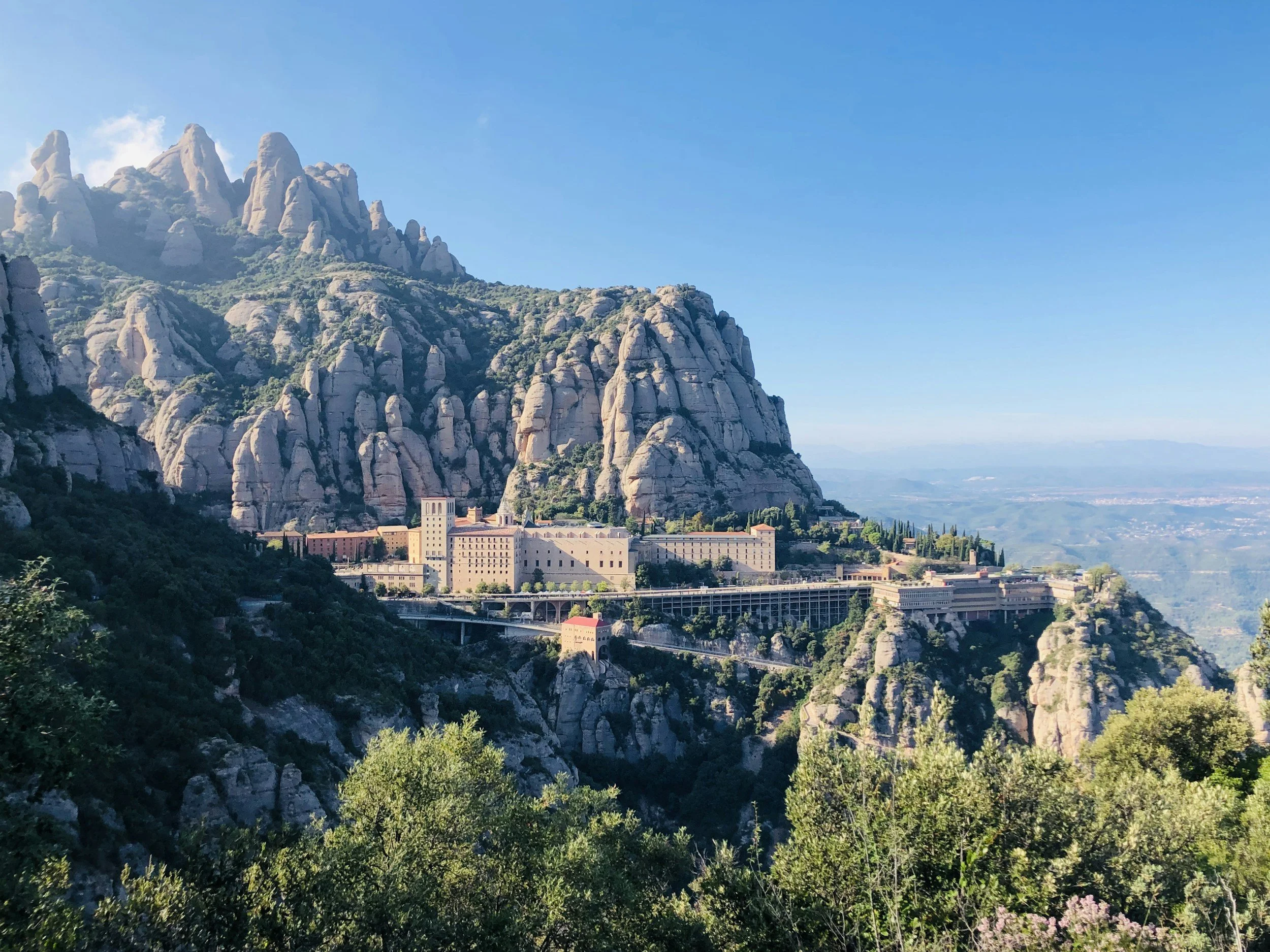
Montserrat is one of the most popular day trips from Barcelona and one of the most unusual landscapes in Catalonia.
The mountain range is known for its distinctive rock formations and the Santa Maria de Montserrat Abbey built into the mountains.
Visitors come to see the monastery, enjoy views over the surrounding region, and hike the trails around the mountain.
Montserrat is relatively easy to visit from Barcelona, making it a good option if you want to add mountains and nature to a city-focused Spain itinerary.
You can spend a half or full day here depending on how much hiking you want to do.
16. Besalú
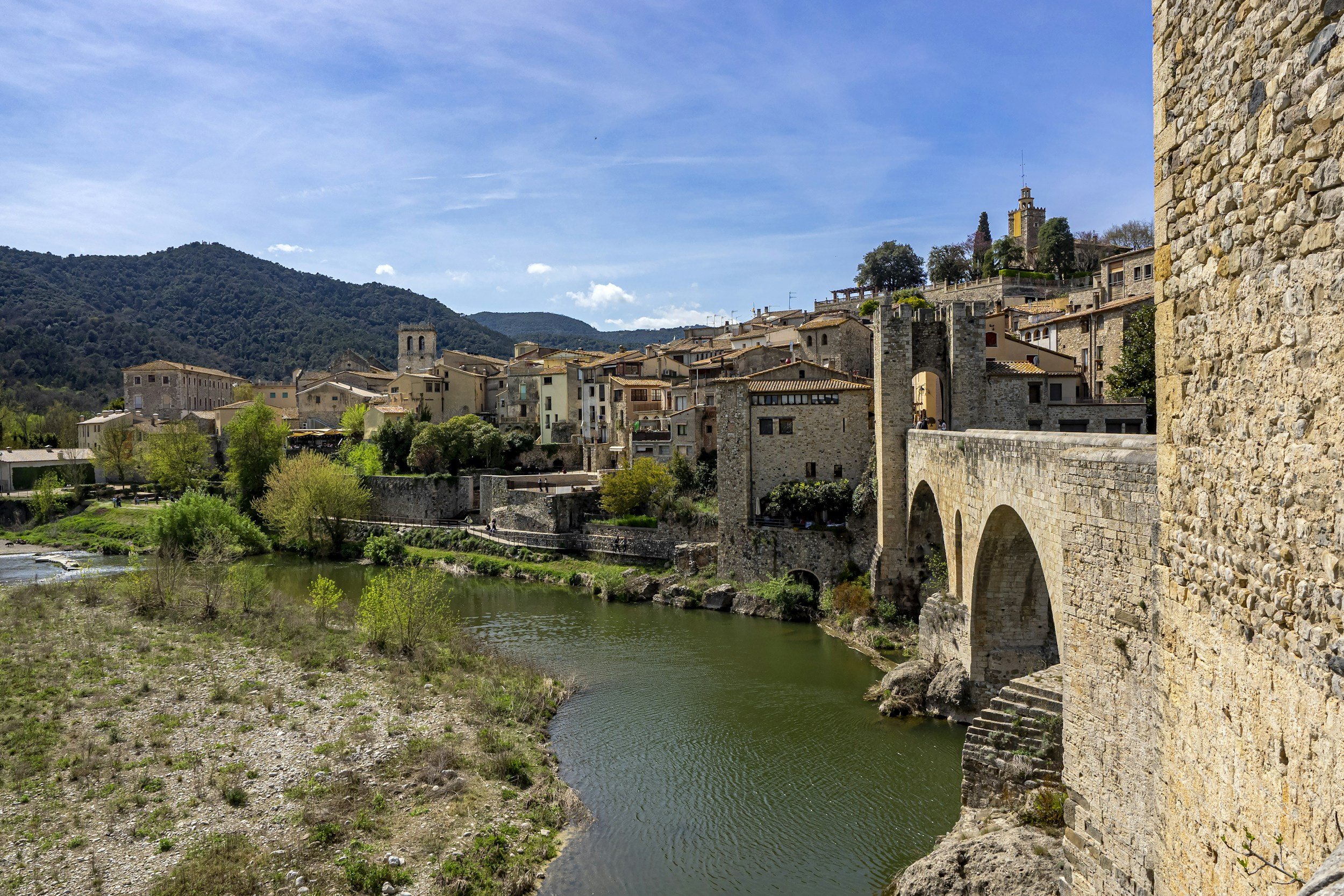
Besalú is a small medieval town in Catalonia known for its stone bridge and preserved historic center.
The fortified bridge crossing the Fluvià River is the town's best-known landmark and creates one of the most recognizable medieval views in this part of Spain.
Once across the bridge, you can explore the old streets, plazas, churches, and remnants of Besalú's medieval Jewish quarter.
The town is relatively small, so it works well as part of a larger road trip through Catalonia or as a stop combined with other destinations in the region.
If you're searching for medieval towns in Spain or places to visit near Barcelona beyond the usual day trips, Besalú is worth considering.
17. Almería
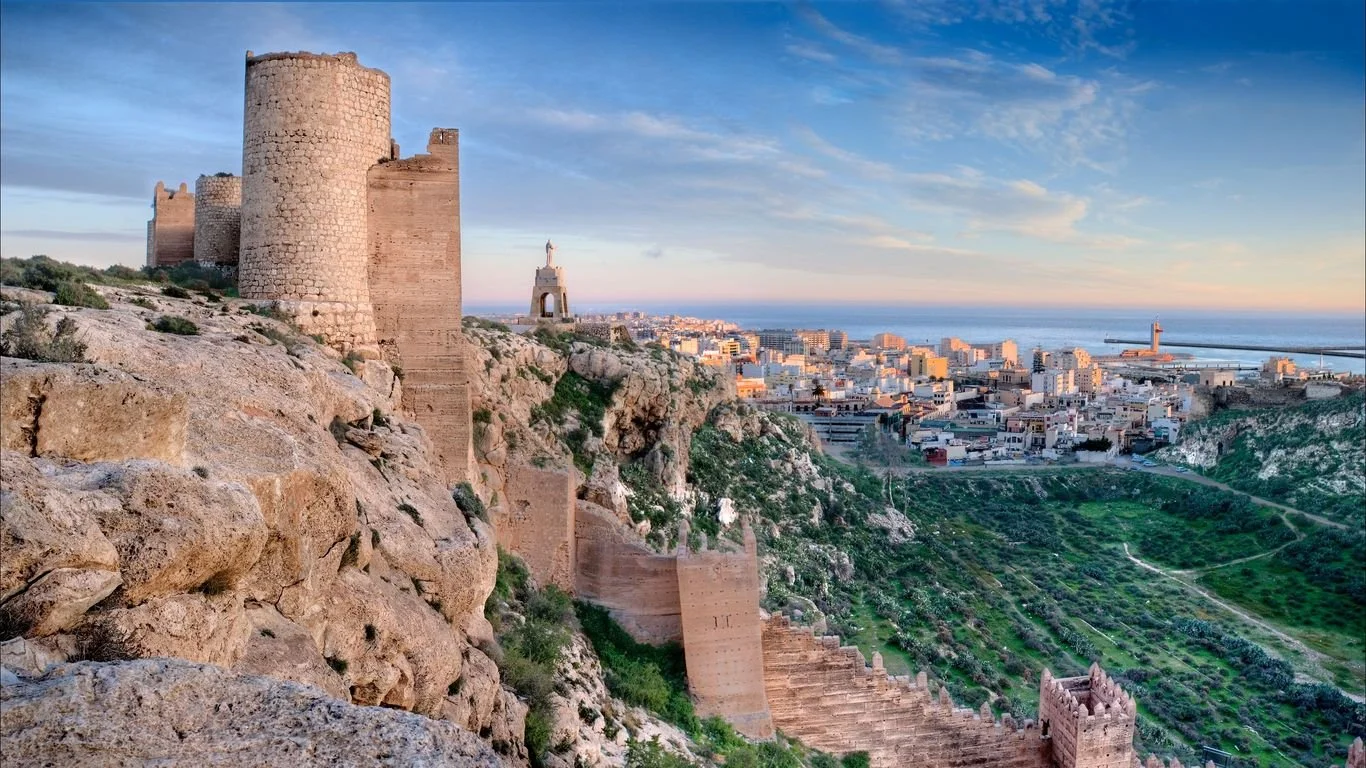
Almería is located on Spain's southeastern Mediterranean coast in Andalusia.
Compared with destinations such as Seville, Málaga, and Granada, Almería often receives less attention from international visitors.
One of its major attractions is the Alcazaba of Almería, a large fortified complex overlooking the city. The area also has beaches and access to the landscapes of Cabo de Gata-Níjar Natural Park.
The dry scenery around Almería is very different from northern Spain and has been used as a filming location for numerous movies and television productions.
If you're looking for less crowded places to visit in southern Spain, Almería can be a good addition to an Andalusia road trip.
18. Cabo de Gata-Níjar Natural Park
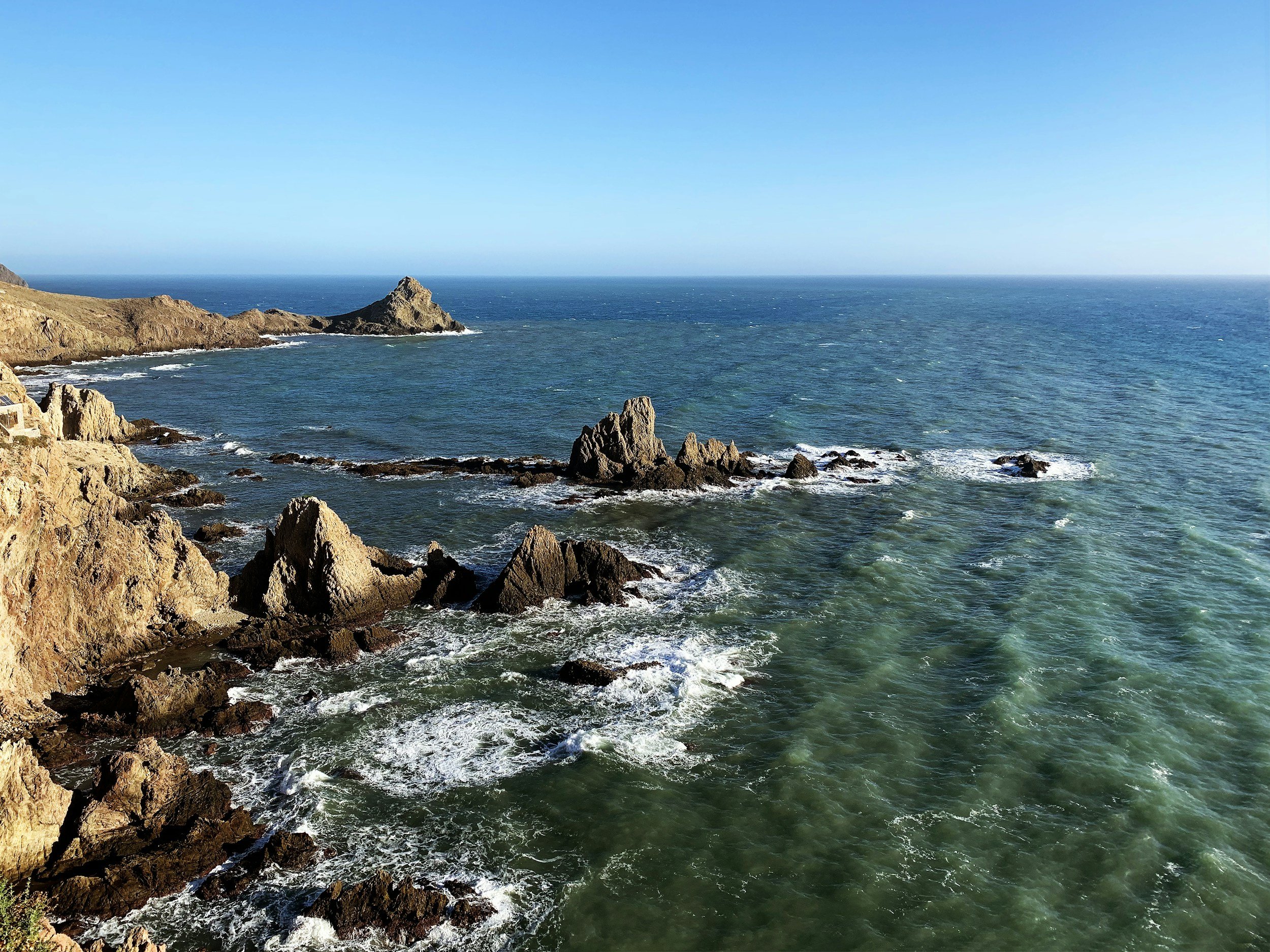
Near Almería, Cabo de Gata-Níjar Natural Park protects a stretch of volcanic coastline along the Mediterranean.
The area is known for beaches, coves, cliffs, dry landscapes, and small coastal communities.
It's a good destination for hiking, swimming, kayaking, or simply driving along the coast and stopping at different viewpoints and beaches.
The landscape is noticeably different from Spain's heavily developed resort areas, making Cabo de Gata one of the more unusual coastal destinations in southern Spain.
Unique Festivals and Events in Spain
Spain's festivals can be just as memorable as its cities and landscapes. Different regions have their own celebrations, and planning your trip around one can completely change your experience.
La Tomatina
La Tomatina takes place in Buñol near Valencia and is known internationally for its massive tomato fight.
Thousands of participants gather in the town for the event, which involves throwing tomatoes through the streets. If you want to attend, check the current dates, ticket requirements, and participation rules before planning your trip.
San Fermín and the Running of the Bulls
The San Fermín festival takes place in Pamplona in July and is best known internationally for the Running of the Bulls.
During the running events, participants move through a designated route ahead of fighting bulls. The event involves significant risk, and you don't have to participate to experience the festival.
Visitors can watch from designated areas and balconies while also experiencing the other events that take place throughout San Fermín.
Semana Santa
Semana Santa, or Holy Week, is observed throughout Spain in the days leading up to Easter.
Seville is particularly well known for its Semana Santa processions. Religious brotherhoods carry large floats through the streets, accompanied by participants wearing traditional robes and pointed hoods known as nazarenos.
These processions are religious events rather than performances created for tourists, so visitors should be respectful when attending.
Unique Food Experiences in Spain
Food changes considerably as you travel through Spain, and trying regional dishes is one of the easiest ways to experience the differences between destinations.
Paella originated in Valencia, while jamón ibérico is associated with several regions of Spain. Galicia is particularly known for seafood, the Basque Country is famous for pintxos, and Andalusia has its own tapas traditions.
Instead of assuming the same dishes will be typical everywhere, look for specialties associated with the region you're visiting.
Go Tapas or Pintxos Hopping
Eating tapas is one of the experiences many travelers associate with Spain, but tapas culture varies between cities and regions.
Rather than ordering one large meal, you can visit several bars and try smaller dishes throughout the evening.
Popular dishes can include patatas bravas, croquetas, jamón, tortilla española, olives, seafood, and albóndigas.
In the Basque Country, you'll commonly see pintxos instead of the tapas experience you might find elsewhere.
Watch Flamenco in Andalusia
Flamenco is closely associated with Andalusia, particularly cities such as Seville, Granada, and Jerez de la Frontera.
A flamenco performance typically combines singing, guitar, hand clapping, and dance.
You'll find everything from large tourist-oriented performances to smaller tablaos. If seeing flamenco is important to you, research the venue before booking rather than simply choosing the first show advertised near a tourist attraction.
Getting Around Spain
Spain has an extensive transportation network, and getting between major cities is relatively easy.
High-speed trains connect destinations including Madrid, Barcelona, Valencia, Seville, Córdoba, Málaga, and other cities. Train travel can be much more convenient than flying when you're moving between cities because stations are generally located closer to city centers.
Buses can be useful for destinations that aren't connected directly by high-speed rail.
A rental car becomes more valuable when you're visiting small towns, rural areas, national parks, mountain regions, and beaches that aren't well served by public transportation.
For a trip that combines major cities and rural destinations, you can use trains for the city portion and rent a car only when you need it.
When Is the Best Time to Visit Spain?
There isn't one best time to visit every part of Spain because the country's climate varies significantly by region.
Spring and fall are popular times for sightseeing because temperatures can be more comfortable in cities such as Madrid, Seville, Córdoba, and Granada.
Southern Spain can become extremely hot during the summer, particularly inland. If you're visiting Andalusia in July or August, plan outdoor sightseeing for earlier in the morning or later in the day.
Northern Spain generally has cooler and wetter conditions than the south, while the Canary Islands have a mild climate that makes them a popular destination throughout much of the year.
The Balearic Islands and Mediterranean coast are busiest during summer when travelers arrive for beach vacations.
If you're interested in skiing or winter sports, head toward mountain regions such as the Pyrenees or Sierra Nevada during the appropriate winter season.
Tips for Visiting Spain
Don't try to see the entire country in one short trip. Madrid, Barcelona, Andalusia, northern Spain, the Balearic Islands, and the Canary Islands are spread across a large area, and moving between them can take more time than expected.
Build your itinerary around one or two regions if you have a week. With two weeks, you can combine several major cities and add smaller destinations along the way.
Learning a few basic Spanish phrases is helpful, although you'll find English spoken in many tourist areas. Remember that other languages, including Catalan, Basque, and Galician, are also widely used in their respective regions.
Meal times in Spain can also be later than many American travelers are accustomed to. Lunch is often eaten in the afternoon, while dinner may not begin until later in the evening.
Some businesses close during part of the afternoon, although the traditional idea that all of Spain shuts down for a daily "siesta" is an oversimplification. Opening hours vary considerably by business and destination, so check before making plans.
Finally, pay attention to your belongings in busy tourist areas and on public transportation, particularly in major cities.
Frequently Asked Questions About Visiting Spain
What Are the Most Unique Places to Visit in Spain?
Some of the most unique places to visit in Spain include the Alhambra in Granada, Ronda, Cuenca, Albarracín, Montserrat, the Canary Islands, the Pyrenees, Cabo de Gata, and La Graciosa.
Spain also has major architectural attractions such as the Sagrada Família in Barcelona, the Mezquita-Cathedral of Córdoba, and the Guggenheim Museum in Bilbao.
What Are Some Hidden Gems in Spain?
If you're looking for Spain hidden gems beyond Madrid and Barcelona, consider Albarracín, Besalú, Almería, La Graciosa, and smaller towns throughout northern Spain and Andalusia.
"Hidden gem" is relative, and some of these destinations are very popular with Spanish travelers even if they're less familiar to international visitors.
What Is the Most Beautiful Part of Spain?
Spain has several completely different landscapes, so this depends on what you're looking for.
The Pyrenees offer mountains and hiking, Andalusia has historic cities and dry southern landscapes, northern Spain is greener and wetter, the Mediterranean coast has beaches and coves, and the Canary Islands are known for volcanic scenery.
What Places Should First-Time Visitors See in Spain?
For a first trip to Spain, Madrid, Barcelona, Seville, Granada, Córdoba, and Valencia are some of the most popular cities to consider.
You don't need to visit all of them in one trip. Choosing a few major cities and adding one or two smaller destinations generally creates a more manageable itinerary.
What Are the Best Places to Visit in Southern Spain?
Some of the best places to visit in southern Spain include Seville, Granada, Córdoba, Málaga, Ronda, Almería, Cádiz, and the coastal areas of Andalusia.
The Alhambra, Mezquita-Cathedral of Córdoba, Ronda's Puente Nuevo, and Cabo de Gata are some of the region's standout attractions.
What Are the Best Places to Visit in Northern Spain?
Northern Spain includes destinations such as Bilbao, San Sebastián, Santiago de Compostela, Asturias, Cantabria, Galicia, and parts of the Pyrenees.
This part of the country is generally greener than southern Spain and is particularly good for coastal scenery, food, hiking, and smaller towns.
Where Should You Go in Spain to Avoid Crowds?
Visiting outside the peak summer travel season is one of the easiest ways to encounter fewer crowds.
You can also look beyond Madrid, Barcelona, Seville, and Spain's largest beach resorts. Smaller towns and destinations such as Albarracín, Almería, parts of Aragón, and rural areas can provide a different experience.
That said, even smaller destinations can become busy during festivals, holidays, and summer weekends.
How Many Days Do You Need in Spain?
A week is enough to explore one region or combine two or three well-connected cities. For example, you could focus on Madrid and nearby day trips or travel through several cities in Andalusia.
With 10 to 14 days, you'll have more flexibility to combine major cities with smaller towns and natural attractions.
Trying to cover the entire country in a week usually means spending too much of the trip traveling.
Final Thoughts on Unique Places to Visit in Spain
Spain is one of those countries where you can return several times and have a completely different trip each time. Madrid and Barcelona may get much of the attention, but they're only a small part of what the country has to offer.
You can explore Islamic architecture in Granada and Córdoba, see Roman engineering in Segovia, walk through medieval towns such as Albarracín and Besalú, hike in the Pyrenees, visit volcanic landscapes in the Canary Islands, or spend a few days exploring beaches and coves along the Mediterranean.
The best Spain itinerary doesn't need to include every famous attraction. Pick a region or a few well-connected destinations, leave some time for smaller towns and local experiences, and you'll get a much better sense of how varied Spain really is.