Best Time to Visit Paris: Weather, Crowds & When to Go
Trying to decide the best time to visit Paris? There really isn't one bad time to visit the French capital, but the experience can be very different depending on the month. Weather, crowds, hotel prices, daylight hours, holidays, and seasonal events can all affect your trip.
For many travelers, the best time to visit Paris is during spring from April through June or fall from September through October. These months generally offer comfortable weather for walking around the city without the peak summer heat and crowds. Summer is great for long days and outdoor activities, while winter brings fewer tourists outside the Christmas and New Year's period.
We've broken down what Paris is like during each season, the best months to visit Paris for different types of trips, when you'll find the biggest crowds, and what you should know before choosing your travel dates.
Understanding Paris and How the City Is Laid Out
Before deciding when to visit Paris, it helps to understand the city's basic layout. Paris is divided into 20 administrative districts called arrondissements, which spiral outward from the center of the city. You'll usually see them written as the 1st arrondissement, 2nd arrondissement, and so on.
The Seine River runs through central Paris and divides the city into the Right Bank, or Rive Droite, to the north and the Left Bank, or Rive Gauche, to the south. Many of the most popular things to do in Paris are concentrated around the river and central arrondissements.
The Louvre is in the 1st arrondissement, the Eiffel Tower is in the 7th, the Champs-Élysées runs through the 8th, and much of Le Marais sits in the 3rd and 4th. The Latin Quarter is primarily in the 5th arrondissement, while Montmartre and Sacré-Cœur are farther north in the 18th.
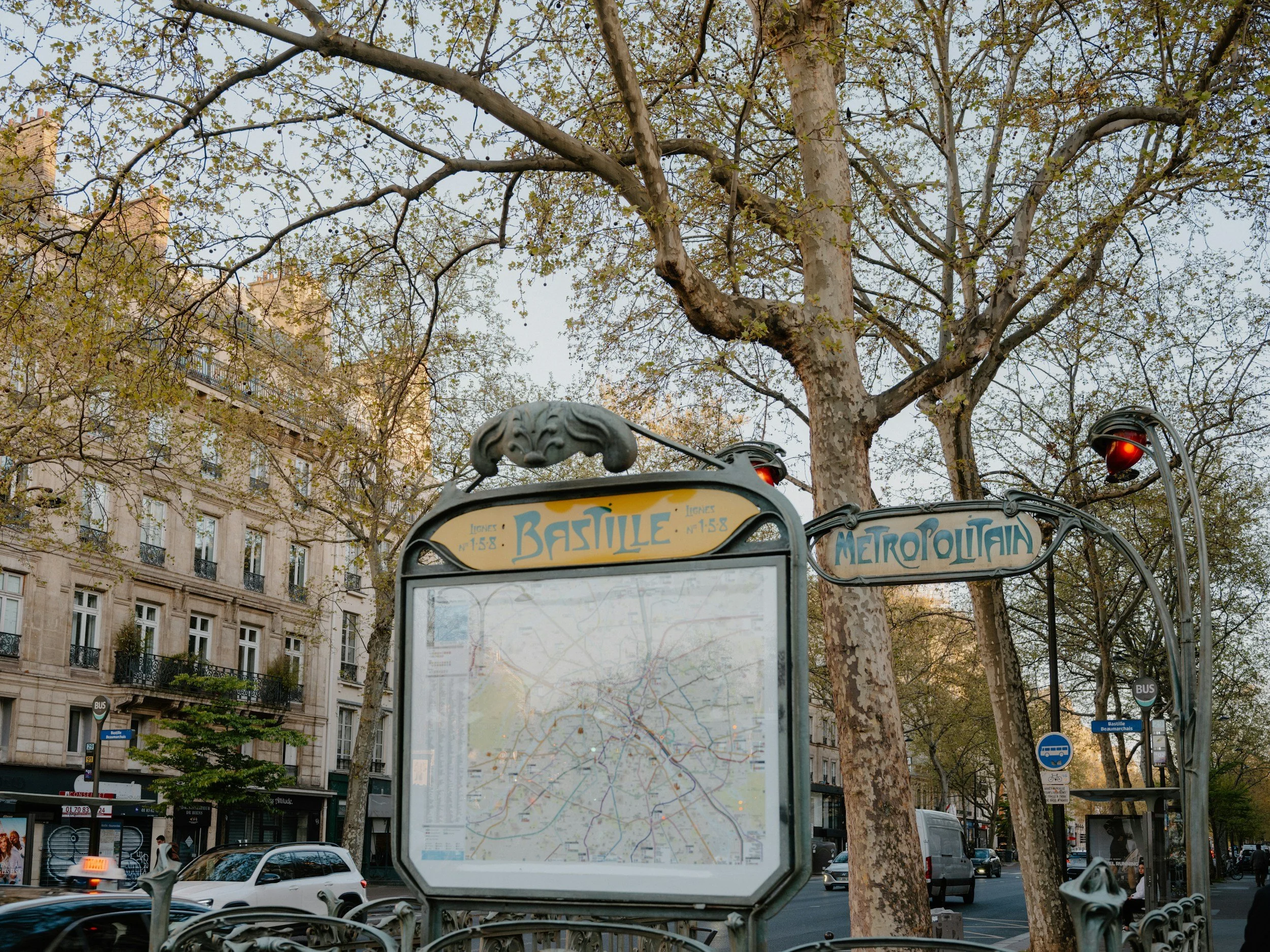
Paris is large, but its Metro, bus, and RER networks make it relatively easy to travel between neighborhoods. You'll probably spend a lot of time walking as well, which is one reason the weather can make such a difference when choosing the best month to visit Paris.
What Is the Best Time to Visit Paris?
For a balance of weather and crowds, April through June and September through October are some of the best months to visit Paris.
Spring brings longer days, gardens beginning to bloom, and comfortable temperatures for walking around the city. Fall offers cooler temperatures and fewer summer vacation crowds while still providing plenty of time for outdoor sightseeing.
That doesn't mean you should rule out July, August, or winter. The best time to go to Paris depends on what you want from your trip.
If you want long daylight hours and outdoor dining, summer may be the best choice. If your priority is visiting museums with fewer tourists or potentially finding lower hotel prices, January and February can be good months to consider. If you want Christmas lights, department store displays, and holiday events, late November and December offer a completely different Paris experience.
Paris Weather by Season
Paris has four distinct seasons, although the weather can change quickly throughout the year. Rain is possible in any season, so a small umbrella or lightweight waterproof jacket can be useful regardless of when you visit.
Summers are generally warm, winters are cool and damp, and spring and fall fall somewhere in between. Extreme temperatures aren't the norm, but summer heat waves and occasional winter cold spells can occur.
Paris in Spring: March, April and May
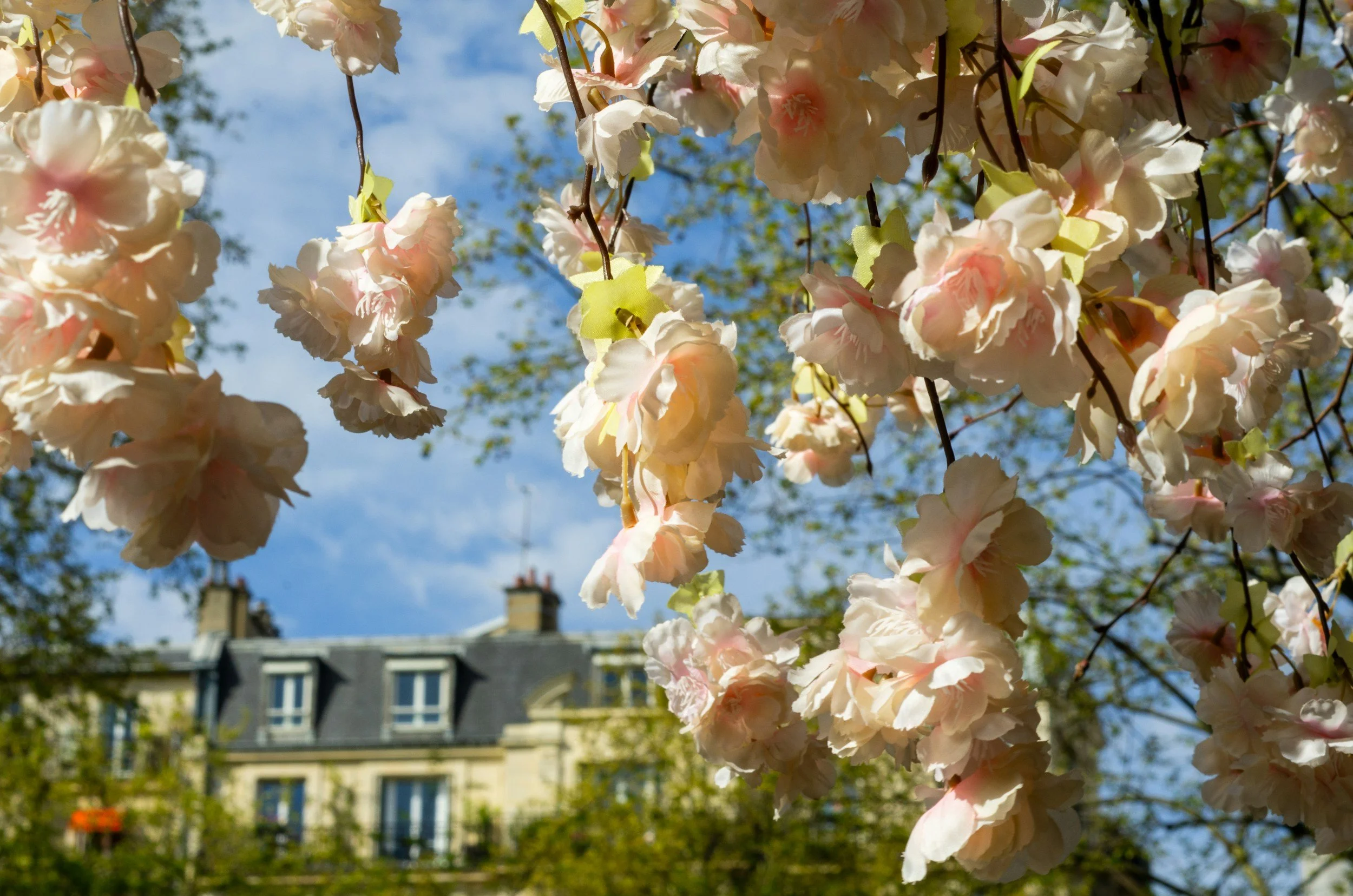
Spring is one of the most popular times to visit Paris, particularly as temperatures begin to warm in April and May.
March can still feel cool, especially in the morning and evening. By April, gardens and trees around the city begin to show more color, and May usually brings increasingly comfortable weather for spending long days outside.
This is a great time to walk along the Seine, visit the Jardin du Luxembourg, explore the Jardin des Tuileries, or spend an afternoon walking through neighborhoods such as Le Marais and Saint-Germain-des-Prés.
Rain showers are possible throughout spring, so pack layers and something waterproof.
Paris in March
March is a transition month between winter and spring. Temperatures are beginning to rise, but cold and rainy days are still possible.
Crowds are generally more manageable than during the summer, making March worth considering if you don't mind unpredictable weather.
Toward the end of the month, you'll also begin to notice longer daylight hours and the first signs of spring around Paris.
Paris in April
April is one of the best months to visit Paris if you want spring weather without waiting until the beginning of the summer travel season.
Flowers and trees begin blooming throughout Paris's gardens and parks, and the longer days give you more time for sightseeing.
You'll still want a jacket, particularly in the evenings, and rain should always be part of your packing plan.
Paris in May
May brings warmer weather and plenty of opportunities to spend time outside. Café terraces become busier, gardens are green, and daylight extends well into the evening.
May is also a popular month to travel to Paris, so don't expect the city to be empty. Major attractions such as the Eiffel Tower and Louvre can still be busy, particularly around weekends and holidays.
Paris in Summer: June, July and August
Summer is peak travel season in Paris. June through August brings warm weather, long days, outdoor dining, festivals, and large numbers of visitors.
June is particularly attractive because daylight lasts late into the evening. You can fit a lot into a single sightseeing day and still have time for dinner outside or an evening walk along the Seine.
July and August are generally warmer, and Paris can experience periods of very hot weather. Air conditioning also isn't as universal in Paris as it is in the United States, so check your hotel's amenities if you're visiting during summer.
Paris in June
June is one of the best times to visit Paris for travelers who want summer weather and long daylight hours.
It's a great month for walking tours, Seine cruises, outdoor dining, gardens, and sightseeing late into the evening.
The tradeoff is that summer crowds are arriving. Book popular attractions ahead of time when possible.
Paris in July
July is one of the busiest months in Paris and includes Bastille Day on July 14.
Warm weather and long days make July good for outdoor sightseeing, but expect crowds at major attractions. Reservations for popular restaurants and timed tickets for major museums and monuments can make planning easier.
Hot weather is possible, so build breaks into your itinerary instead of scheduling nonstop outdoor sightseeing throughout the afternoon.
Paris in August
August can be an interesting month to visit Paris. International tourism remains high, but many Parisians traditionally take vacations during part of the month.
Some smaller businesses and restaurants may close temporarily, although the major attractions and tourist areas remain active.
August can also be hot, so check whether your accommodation has air conditioning before booking.
Paris in Fall: September, October and November
Fall is another excellent time to visit Paris.
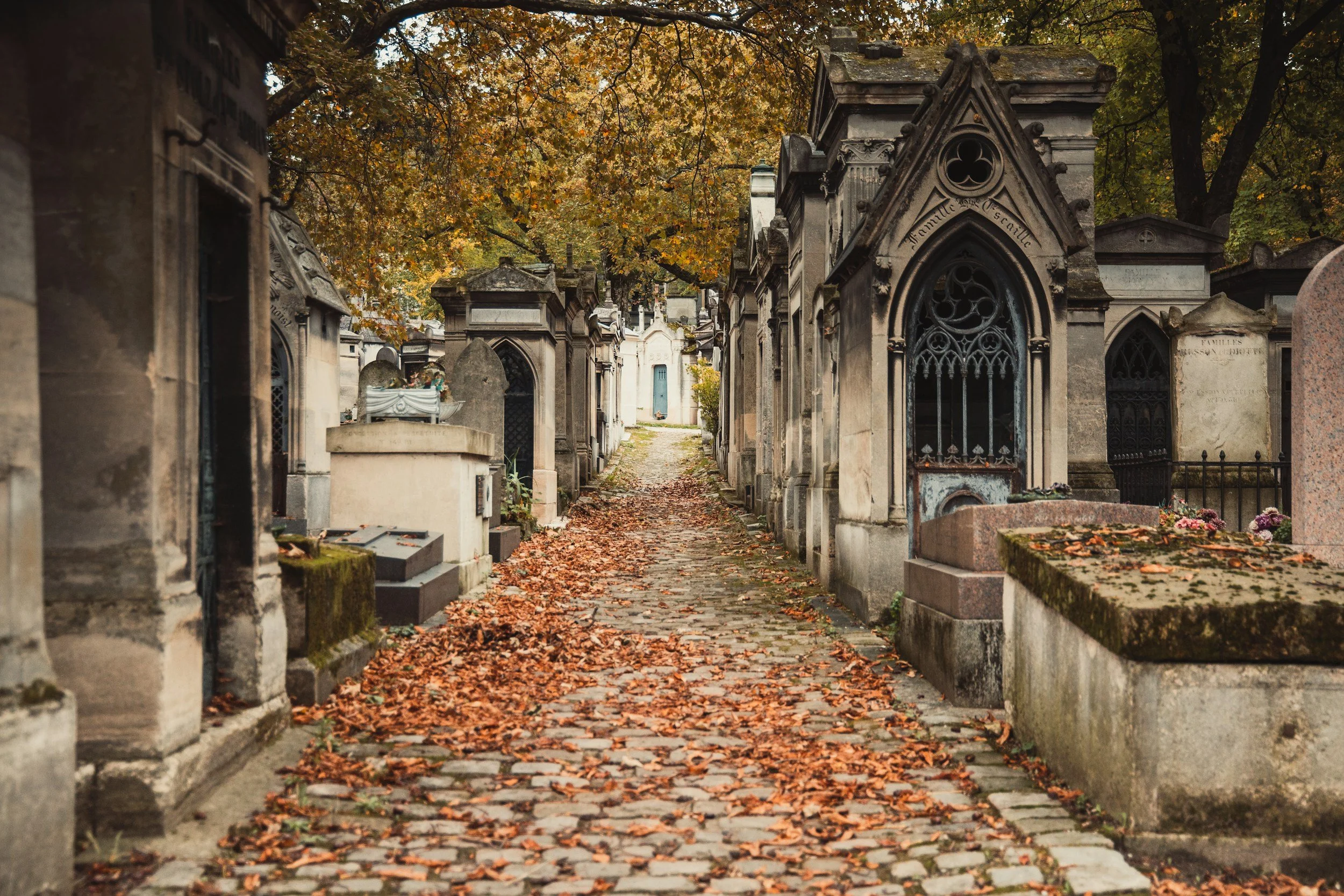
September can still feel like summer early in the month, but temperatures gradually cool as the season progresses. October brings cooler weather and changing leaves, while November begins the transition toward winter and the holiday season.
If you want comfortable sightseeing weather without traveling during the peak summer vacation period, September and October are two of the best months to visit Paris.
Paris in September
September is one of our favorite times to consider visiting Paris. Summer crowds begin to change as the month progresses, but the weather can still be comfortable enough for outdoor dining and long days of sightseeing.
September is also associated with major cultural and fashion events, including Paris Fashion Week during certain dates.
Because September remains a popular travel month, book hotels and major attractions ahead of time if you already know your dates.
Paris in October
October is a great month to visit Paris if you like cooler weather and fall scenery.
Trees around the city's parks and gardens begin changing color, making places such as Jardin du Luxembourg particularly nice for walking.
October also brings cultural events and exhibitions throughout Paris. The Fête des Vendanges de Montmartre, or Montmartre Grape Harvest Festival, traditionally takes place during the fall and celebrates the neighborhood's winemaking history.
Rain becomes more likely as fall progresses, so bring an umbrella or waterproof jacket.
Paris in November
November is quieter than September and October and can be a good time to visit if reducing crowds is more important than having warm weather.
Days become shorter and temperatures cooler, but indoor attractions such as the Louvre, Musée d'Orsay, Sainte-Chapelle, and Paris's many smaller museums give you plenty to do when the weather isn't cooperating.
Toward the end of November, Christmas decorations and holiday displays begin appearing throughout the city.
Paris in Winter: December, January and February
Winter is one of the quieter times to visit Paris outside the busy Christmas and New Year's period.
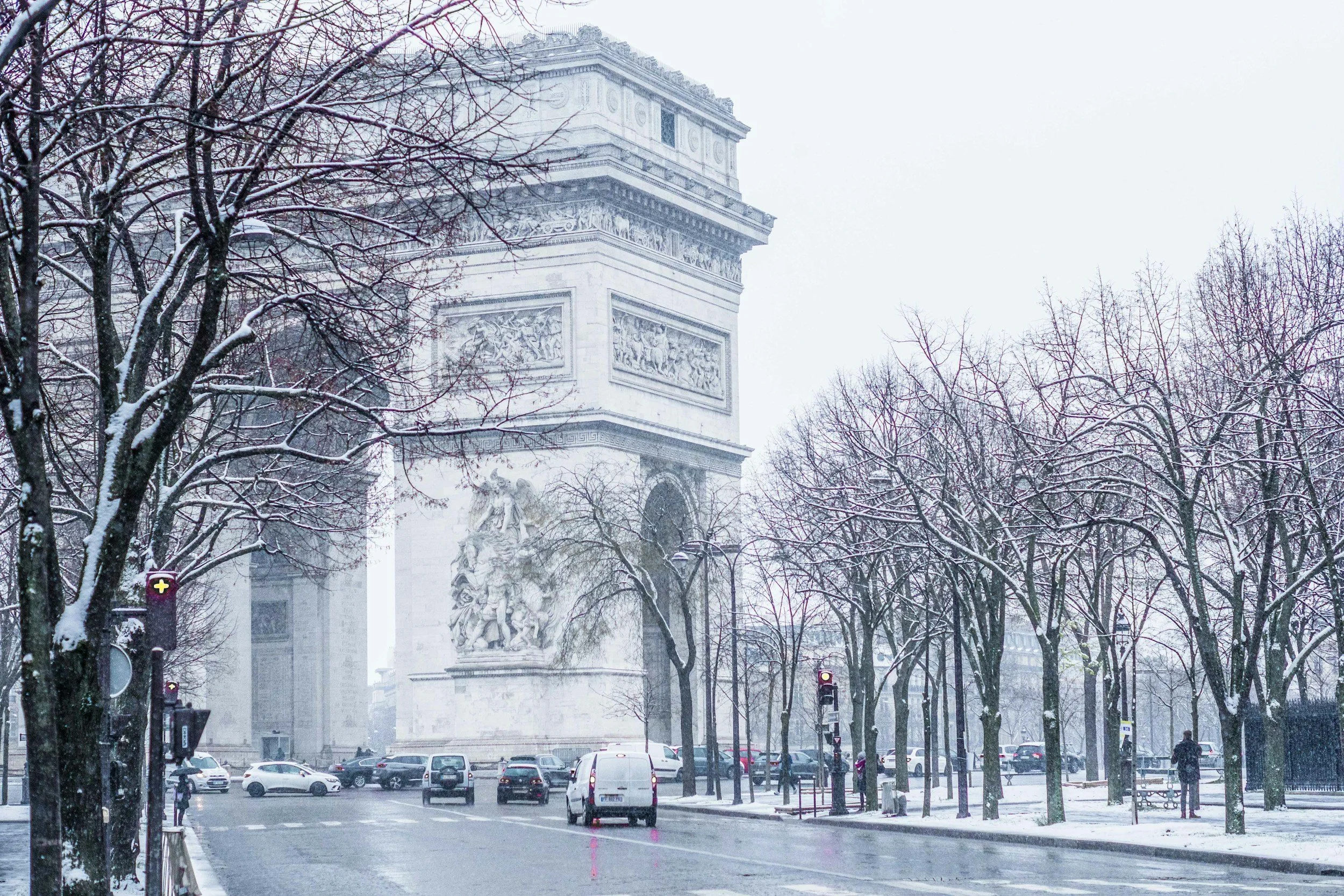
Temperatures are cold but generally not extreme. Snow can occur, although you shouldn't plan a Paris winter trip expecting the city to be covered in snow.
The biggest advantage of visiting Paris in winter is the opportunity to experience museums, restaurants, and neighborhoods without the same level of summer crowds.
You'll also spend more time indoors, which isn't necessarily a bad thing in a city filled with museums, cafés, restaurants, covered passages, and shops.
Paris in December
December transforms Paris for the holidays.
Christmas lights, decorated department stores, seasonal displays, and holiday markets appear around the city. The Champs-Élysées and major shopping areas are decorated, while stores such as Galeries Lafayette and Printemps are known for their holiday displays.
December isn't necessarily a low-crowd month, particularly around Christmas and New Year's. Hotel prices can also increase around the holidays.
If seeing Paris at Christmas is a priority, however, December is one of the most memorable times to visit.
Paris in January
January is one of the quieter months for tourism in Paris once the New Year's holiday has passed.
The weather is cold and days are short, but you'll generally encounter fewer visitors than during spring and summer.
January can be a good choice if museums, restaurants, shopping, and indoor attractions are your main priorities.
It's also a useful month to consider if you're trying to visit Paris on a smaller budget, although airfare and hotel prices vary depending on your dates and where you're traveling from.
Paris in February
February remains part of the winter low season and has many of the same advantages as January.
Expect cold weather and relatively short days, but fewer tourists can make major attractions easier to navigate.
Valentine's Day can increase demand for certain restaurants and hotels because Paris remains a popular romantic destination, so make reservations early if you're visiting around February 14.
Best Time to Visit Paris for Good Weather
Late spring and early fall generally provide some of the most comfortable weather for sightseeing in Paris.
May, June, September, and early October are worth considering if your main priority is spending a lot of time outside.
You'll still need to prepare for rain, and temperatures can vary from year to year. There is no completely reliable dry season in Paris.
Summer offers the warmest weather but also comes with the possibility of heat waves. Winter is colder, but Paris rarely experiences the prolonged extreme winter conditions found in some other European destinations.
Best Time to Visit Paris to Avoid Crowds
If avoiding crowds is your biggest priority, consider January, February, or November.
These months fall outside the main spring and summer travel periods and generally have fewer tourists at major attractions.
There are tradeoffs. You'll have shorter daylight hours, colder weather, and a greater chance of spending time indoors.
March can also be a good compromise if you'd like slightly longer days while still avoiding the largest summer crowds.
Keep in mind that Paris is one of the world's most visited cities, so attractions such as the Eiffel Tower and Louvre can be busy at any time of year.
Cheapest Time to Visit Paris
January and February can be among the cheaper times to visit Paris because they fall within the winter low season after the holidays.
Hotel and airfare prices depend heavily on your origin city, travel dates, events, and how far ahead you book, so there isn't one month that's guaranteed to be the cheapest.
November and parts of early December can also offer opportunities for lower prices compared with peak summer travel.
If you're trying to visit Paris on a budget, compare several dates instead of choosing your trip based entirely on the season.
Midweek flights may sometimes cost less than weekend travel, and adjusting your dates by even a few days can make a significant difference.
Most Expensive Time to Visit Paris
Summer is typically one of the busiest periods for Paris hotels and attractions, particularly from June through August.
Prices can also increase around major holidays, fashion events, conferences, and other large events taking place in the city.
Spring and early fall aren't necessarily cheap either. April, May, September, and October are popular because travelers are specifically looking for pleasant weather outside the hottest part of summer.
If you have fixed travel dates, booking accommodations earlier gives you more choices before popular hotels fill.
Best Time to Visit Paris for First-Time Visitors
For your first trip to Paris, May, June, September, and October provide a good balance for sightseeing.
You'll probably want to spend a significant amount of your first visit walking between landmarks and exploring different neighborhoods. Comfortable weather makes that much easier.
Longer daylight hours during late spring and early summer also give you more flexibility when visiting major attractions such as the Eiffel Tower, Louvre, Arc de Triomphe, Notre-Dame area, Montmartre, and the Seine.
If you don't mind cold weather, winter can still be a great first trip. You'll simply want to build more museums, cafés, shopping, and indoor attractions into your itinerary.
Best Time to Visit Paris for Couples
Paris works well as a couples destination throughout the year.
Spring brings gardens and comfortable walking weather, while summer gives you long evenings for dinner and walks along the Seine.
Fall can be particularly nice for couples who want cooler weather and fewer summer crowds.
December is another option if you want Christmas lights, decorated streets, holiday shopping, and seasonal dining.
February is naturally associated with Valentine's Day, but don't assume it will automatically be inexpensive simply because it's winter. Popular restaurants and romantic hotels can book quickly around the holiday.
Best Time to Visit Paris for Families
Families may find late spring and early summer particularly convenient because of the longer days and comfortable temperatures.
June provides a lot of daylight, making it easier to spread attractions throughout the day instead of rushing from one stop to another.
Summer can work well with school schedules, but July and August bring more tourists and potentially hot weather.
If your children can travel during shoulder season, April, May, September, and October can provide a better balance of weather and crowds.
Best Time to Visit Paris for Museums
Winter is a great time to build a Paris trip around museums.
Cold or rainy weather isn't much of a problem when you're spending several hours inside the Louvre, Musée d'Orsay, Musée de l'Orangerie, or one of Paris's many smaller museums.
January and February also tend to have fewer tourists than the summer months.
That said, major museums remain popular throughout the year. Timed tickets and reservations are still useful regardless of when you visit.
Best Time to Visit Paris for Christmas
If you want to experience Christmas in Paris, plan your trip between late November and December.
Holiday decorations typically begin appearing in November, with department store displays, lights, markets, and seasonal events continuing through December.
Galeries Lafayette is particularly known for its large Christmas tree and holiday window displays.
Christmas markets also appear in different parts of Paris, although locations and dates can change from year to year.
If you're visiting specifically for Christmas, early to mid-December can give you the holiday atmosphere before the busiest Christmas and New Year's travel dates.
Paris Fashion Week
Paris Fashion Week takes place multiple times throughout the year for different collections, with major women's fashion weeks generally drawing particular attention around late winter and early fall.
You don't need an invitation to a runway show to notice the impact on the city. Hotels, restaurants, and neighborhoods connected to fashion events can become busier.
Pop-ups, brand events, and other fashion-related activities may also take place around Paris.
If fashion isn't part of your reason for visiting, check major event calendars before booking. Large events can affect hotel availability and prices.
Where to Stay in Paris
Where you stay can have just as much impact on your trip as when you visit.
Central neighborhoods give you easier access to many major attractions but can also cost more. Le Marais is popular for restaurants, shopping, historic streets, and nightlife, while Saint-Germain-des-Prés provides convenient access to the Left Bank.
The 1st arrondissement puts you close to the Louvre and Seine, while the 7th arrondissement is home to the Eiffel Tower.
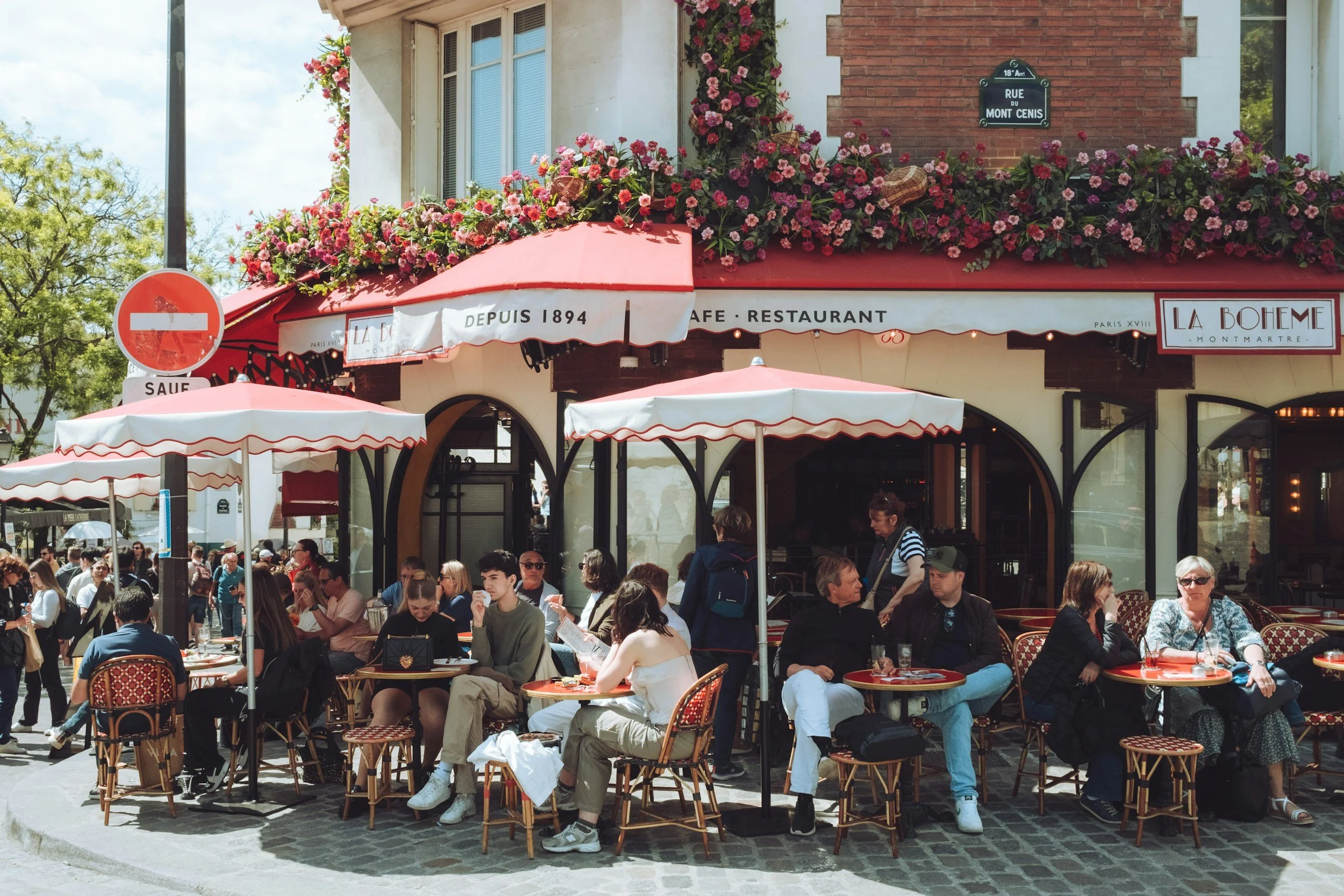
Montmartre offers a different atmosphere farther north, with steep streets, cafés, and views from around Sacré-Cœur.
You don't necessarily need to stay directly beside the attraction you're most interested in. Staying near a convenient Metro station can make it easy to explore several parts of Paris during the same trip.
Getting Around Paris
Paris has an extensive public transportation system that includes the Metro, buses, trams, and RER trains.
The Metro is usually the easiest way to move between neighborhoods, while RER trains are useful for certain destinations in and outside central Paris.
Walking is also a major part of visiting Paris. Many attractions in central Paris are relatively close together, and walking lets you see neighborhoods and streets you'd otherwise miss underground on the Metro.
Public transportation can become crowded during weekday commuting periods. Keep your belongings secure, particularly on crowded trains and in busy stations.
Navigation apps are useful for determining whether walking, Metro, bus, or RER will be the quickest option for each trip.
Dining in Paris
Paris has everything from bakeries and neighborhood cafés to Michelin-starred restaurants.
For lunch, many restaurants offer set menus that can provide a good value compared with ordering several items individually.
Reservations are useful for popular restaurants, particularly for dinner. During busy travel periods, don't assume you'll be able to walk into every restaurant you want to try.
It's also polite to greet employees with "Bonjour" when entering a shop, café, or restaurant. A simple "Merci" and "S'il vous plaît" are also useful phrases to know.
Tipping in France works differently than in the United States because service is generally included. You can leave additional money for particularly good service, but large percentage-based tips aren't expected in the same way they are in the U.S.
A Few Less Obvious Places to Visit in Paris
If you've already visited the Eiffel Tower, Louvre, and other major Paris attractions, there are plenty of smaller places to add to your itinerary.
Medici Fountain
The Medici Fountain is located inside the Jardin du Luxembourg and dates back to the 17th century.
It's an easy stop while exploring the garden and Latin Quarter and provides a quieter setting than many of Paris's major landmarks.
59 Rivoli
59 Rivoli is an art space on Rue de Rivoli where visitors can see work from contemporary artists.
It's centrally located and easy to add to a day spent exploring the area around the Louvre, Hôtel de Ville, and central Paris.
Paris's Covered Passages
The city's historic covered passages are another good option, particularly when the weather isn't cooperating.
These glass-roofed passages contain shops, restaurants, bookstores, and other businesses and provide an interesting look at another part of Paris's architectural history.
Is Paris Safe to Visit?
Paris is generally safe for tourists, but petty theft and pickpocketing can occur, particularly around busy attractions and public transportation.
Keep your phone, wallet, and other valuables secure in crowded areas. Avoid leaving your phone sitting on an outdoor café table where someone could quickly grab it.
Use official taxis or established rideshare services when needed, and stay aware of your surroundings if you're walking through unfamiliar areas late at night.
France's emergency numbers include 17 for police, 15 for medical emergencies, and 18 for the fire service. The European emergency number 112 can also be used.
Frequently Asked Questions About the Best Time to Visit Paris
What Is the Best Month to Visit Paris?
May, June, September, and October are some of the best months to visit Paris if you're looking for a balance of comfortable weather and sightseeing conditions.
The best month ultimately depends on whether you prioritize weather, smaller crowds, lower prices, or seasonal events.
What Is the Best Time of Year to Go to Paris?
Spring and fall are two of the best times of year to visit Paris. April through June and September through October generally provide comfortable conditions for walking and outdoor sightseeing.
Summer has longer days but larger crowds, while winter can be quieter and less expensive outside the holiday period.
What Is the Cheapest Month to Visit Paris?
January and February are often good months to check if you're looking for lower Paris hotel and airfare prices.
Prices vary based on your departure city, specific dates, holidays, and major events, so compare several dates before booking.
When Is Paris Most Crowded?
Summer is one of the busiest travel periods in Paris, particularly from June through August.
Spring and early fall are also popular because of the comfortable weather. Christmas and New Year's can bring another increase in visitors during winter.
When Is Paris Least Crowded?
January, February, and November generally have fewer tourists than the main spring and summer travel seasons.
Popular attractions can still be busy, but you'll usually encounter smaller overall crowds than during peak summer.
Is Paris Better in Spring or Fall?
Both are good choices. Spring brings flowers, greener gardens, and increasingly long days, while fall brings cooler temperatures, changing leaves, and a different seasonal atmosphere.
May and September are particularly good months to compare if your travel dates are flexible.
Is Paris Too Hot in July and August?
Paris can experience hot weather and occasional heat waves during July and August.
Many days are still comfortable for sightseeing, but temperatures can sometimes climb considerably. If you're sensitive to heat, check that your hotel has air conditioning and plan outdoor activities earlier or later in the day.
Is December a Good Time to Visit Paris?
Yes, especially if you want to experience Paris during Christmas. The city has holiday lights, decorated department stores, seasonal events, and Christmas markets.
December can be busy around Christmas and New Year's, so book accommodations and major activities ahead of time.
How Many Days Do You Need in Paris?
Four to five days is a good amount of time for a first trip to Paris. That gives you time to see major attractions while also exploring neighborhoods without packing every hour of the day.
If you want to take day trips to destinations such as Versailles, Disneyland Paris, or the Champagne region, consider adding additional days.
Final Thoughts on When to Visit Paris
The best time to visit Paris depends on the type of trip you want. For comfortable sightseeing weather, late spring and early fall are hard to beat. May, June, September, and October give you a good combination of outdoor weather and plenty of opportunities to explore the city on foot.
Summer is best if you want long days, outdoor dining, and a busy atmosphere, but you'll need to prepare for larger crowds and the possibility of hot weather. Winter is colder and darker, but January and February can be good choices for fewer tourists, museums, restaurants, and potentially lower travel costs.
If Christmas in Paris is on your bucket list, visit in late November or December for holiday lights, department store displays, and seasonal events.
There isn't one month that works for everyone. Decide whether weather, crowds, cost, or seasonal events matter most to you, and use that to choose the best time for your Paris trip.