Best Places to Visit in Europe in July: 20 Summer Destinations
July is one of the most popular months to visit Europe, and for good reason. Warm weather, long daylight hours, beach season, mountain hiking, festivals, and outdoor dining make it a great time to explore destinations across the continent.
The best places to visit in Europe in July range from Mediterranean islands and coastal towns to major European cities and cooler destinations in Northern Europe. You can spend your trip swimming in Greece, hiking through the Swiss Alps, exploring the fjords of Norway, or taking advantage of the long summer evenings in Paris, Vienna, Prague, and other European cities.
July is also peak summer travel season in much of Europe, so choosing the right destination matters. Southern Europe can be extremely hot and crowded, while Northern Europe, the Alps, and parts of Central Europe can offer more comfortable temperatures.
If you're trying to decide where to go in Europe in July, we've put together some of the best European destinations for summer, including cities, beaches, islands, mountains, and places that work well for a European summer vacation.
What Is Europe Like in July?
July falls in the middle of summer throughout Europe and is one of the busiest travel months of the year. Schools are on summer break in many countries, Europeans are taking their own vacations, and international tourism is near its seasonal peak.
The weather varies significantly depending on where you travel. Mediterranean destinations in Spain, Italy, Greece, Croatia, and southern France can be hot and sunny, with temperatures frequently reaching into the 80s and 90s Fahrenheit. Heat waves can push temperatures even higher.
Central European destinations such as Austria, Switzerland, Germany, Hungary, and the Czech Republic are generally warm, although conditions vary. Northern Europe, Scandinavia, Iceland, and the higher elevations of the Alps can provide cooler alternatives if you want to escape the Mediterranean heat.
One of the biggest advantages of visiting Europe in July is daylight. Northern destinations have extremely long days, and areas above the Arctic Circle can experience the Midnight Sun, when the sun remains visible through the night.
The tradeoff is crowds and cost. July is not usually the best time to visit Europe if your priority is finding the lowest hotel rates or having major attractions to yourself. You'll want to book popular hotels, trains, tours, and attractions well ahead of your trip.
1. Norwegian Fjords, Norway
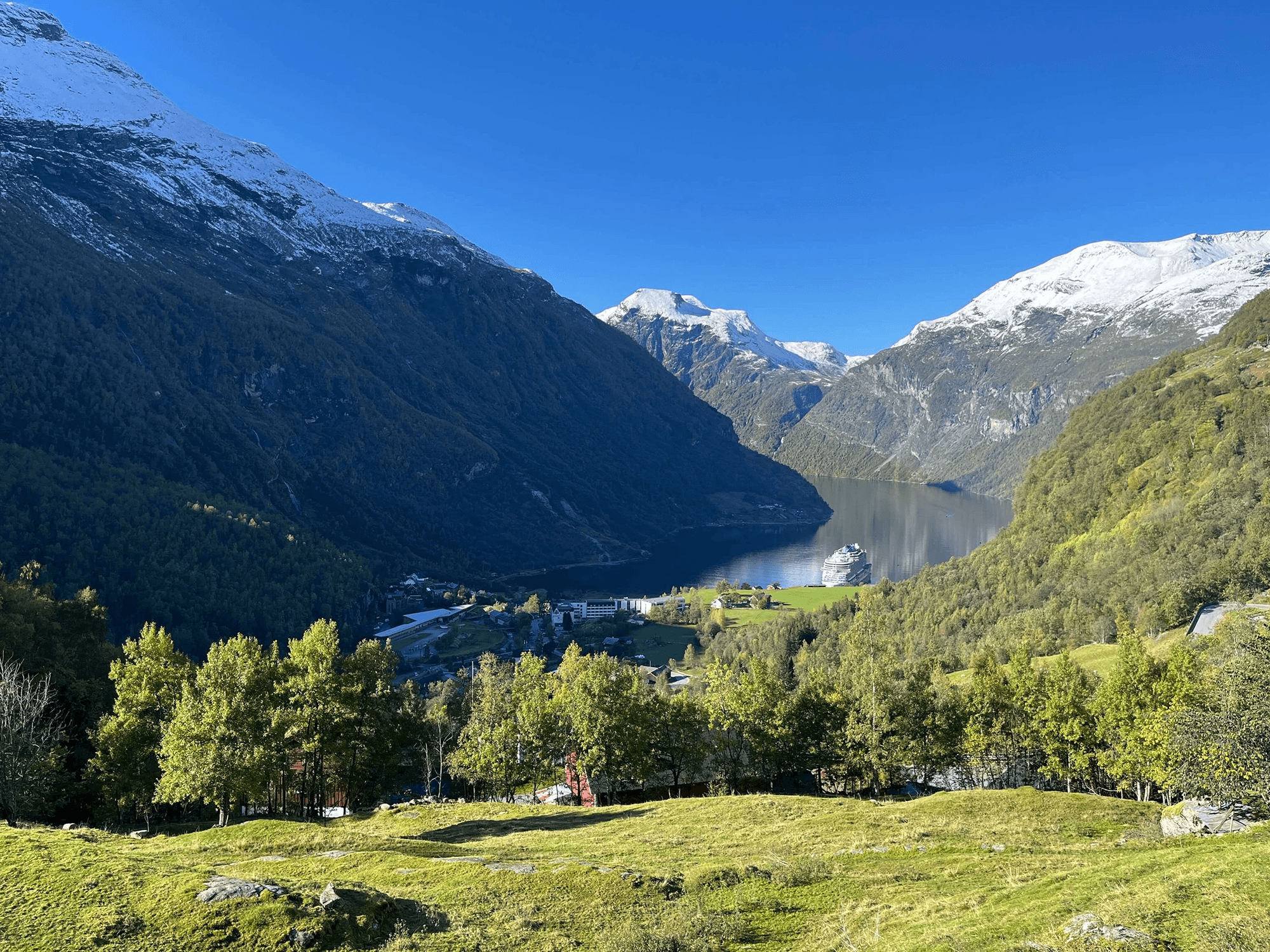
Norway is one of the best places to visit in Europe in July if you're interested in mountains, waterfalls, hiking, and dramatic scenery.
Summer provides long daylight hours and easier access to many roads, hiking trails, and fjord experiences that can be limited during colder parts of the year.
Geirangerfjord and Nærøyfjord are among Norway's best-known fjords and are part of UNESCO World Heritage areas. Boat trips allow you to see steep mountains, waterfalls, small communities, and the narrow waterways that define western Norway.
July is also a great month for hiking. Depending on your itinerary and experience level, you can find everything from short scenic walks to demanding mountain hikes.
Bergen is a common starting point for exploring the fjord region. The city is known for its colorful Bryggen waterfront, seafood, and access to western Norway.
If you're looking for a cooler European summer destination with plenty of outdoor activities, Norway should be near the top of your list.
2. Tromsø, Norway
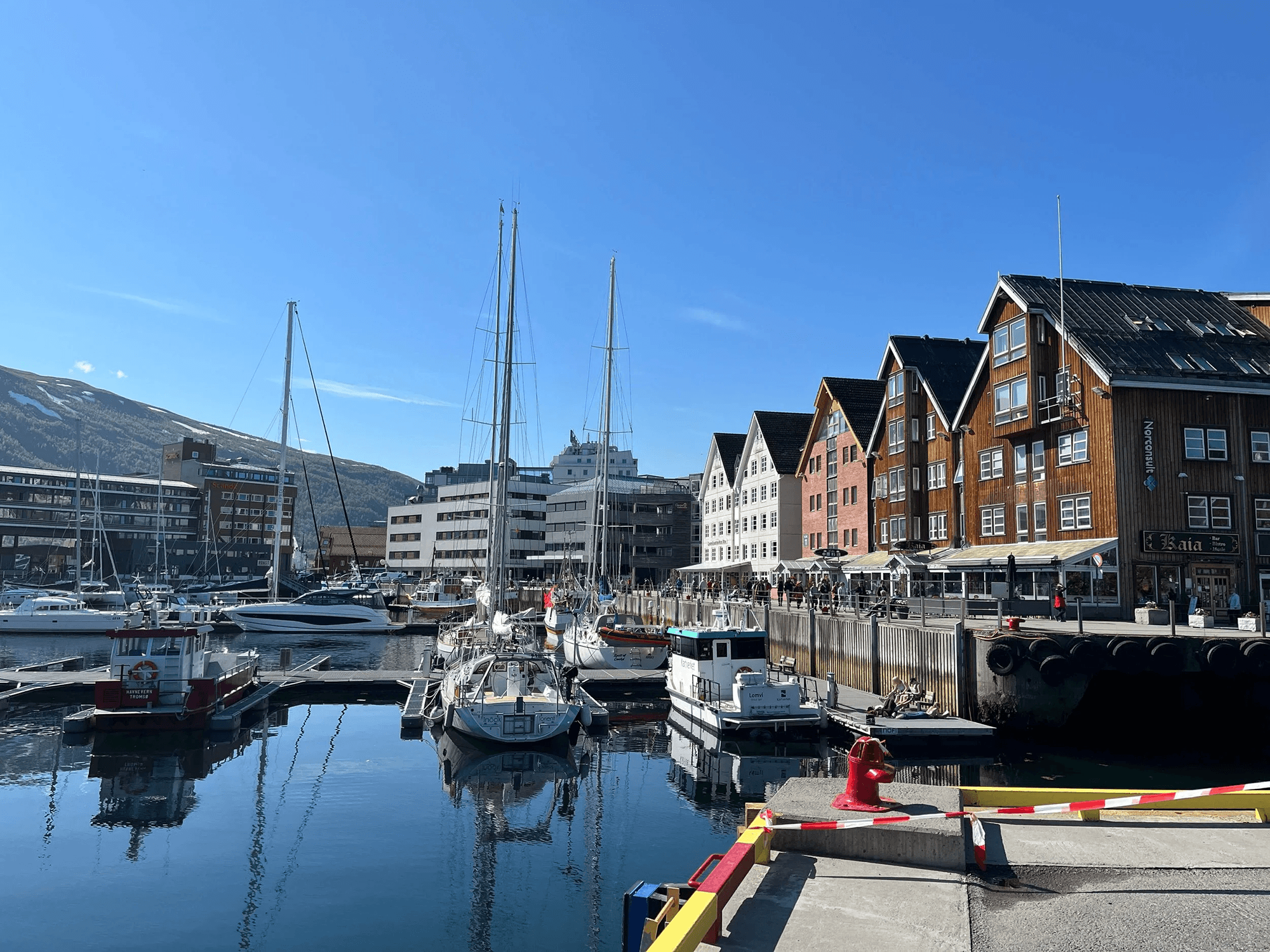
Tromsø is one of the most unique places to visit in Europe during July because of the Midnight Sun.
Located well above the Arctic Circle, Tromsø experiences continuous daylight during part of the summer. Instead of watching the sun set in the evening, you can hike, kayak, or explore late into the night while it's still light outside.
July temperatures are much cooler than southern Europe, making Tromsø a good option if you don't enjoy intense summer heat.
Popular summer activities include hiking, fjord cruises, kayaking, wildlife tours, and road trips through the surrounding landscapes.
Don't come to Tromsø in July expecting to see the Northern Lights. The sky doesn't become dark enough during the Midnight Sun period. For July travelers, the nearly endless daylight is the main attraction. We stayed in Tromsø for a week, and absolutely loved the constant daylight (our natural sleeping cycles did not).
3. Iceland
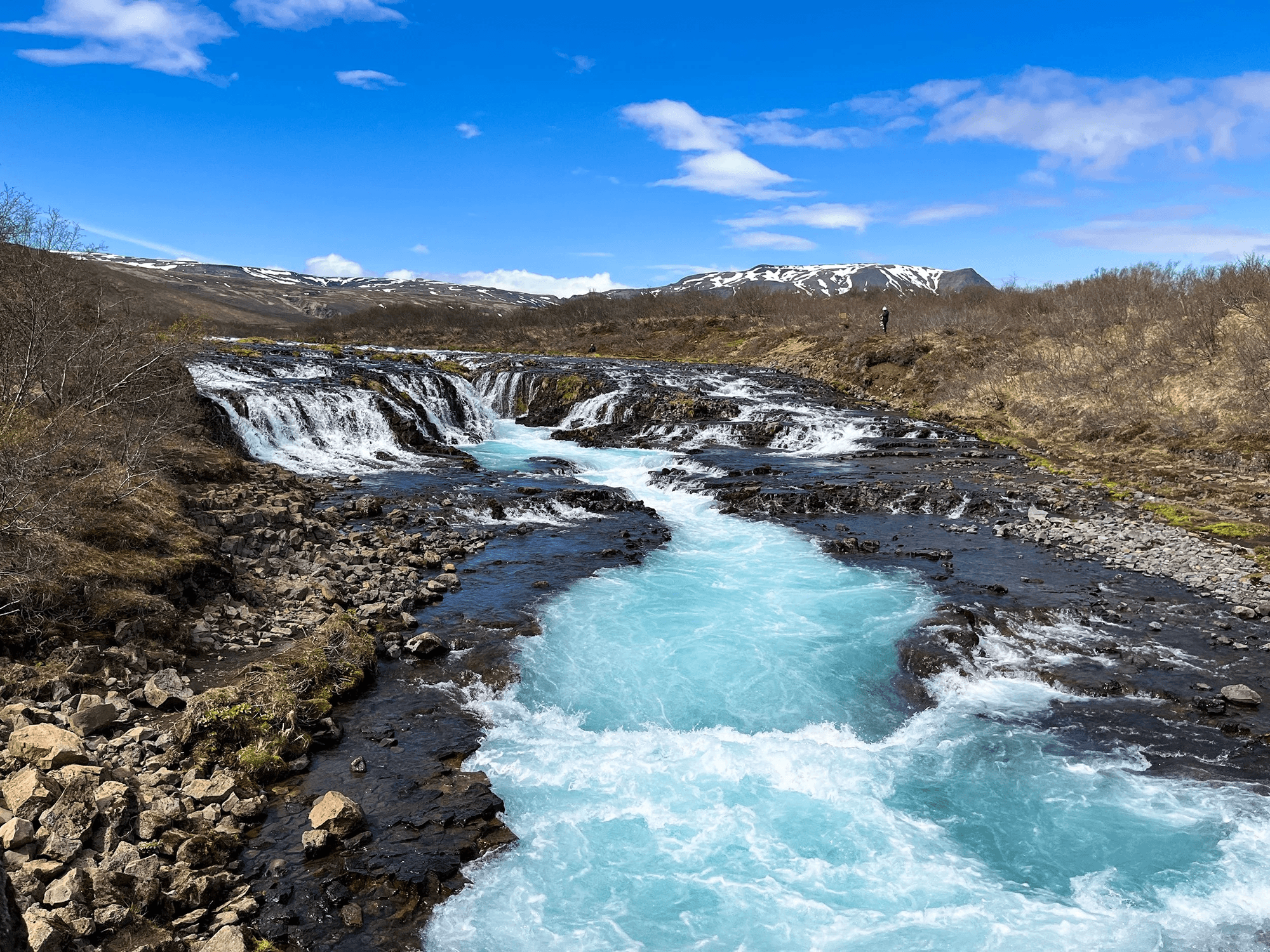
Iceland is another excellent place to visit in Europe in July if outdoor scenery is the priority.
July is one of Iceland's warmest months and provides extremely long daylight hours. Roads and hiking areas that can be difficult or inaccessible during winter are generally easier to explore during the summer.
From Reykjavik, you can visit popular attractions along the Golden Circle, including Þingvellir National Park, Geysir, and Gullfoss.
A longer Iceland road trip can take you to waterfalls, black-sand beaches, glaciers, volcanic landscapes, geothermal areas, and small coastal towns.
Reykjavik itself is worth spending some time in as well. Visit Hallgrímskirkja, walk along the waterfront, explore the city's restaurants and cafés, and see Harpa Concert Hall.
Like Tromsø, Iceland is not a July Northern Lights destination because the nights are too bright. Visit for the long days and easy access to the country's outdoor attractions instead.
4. Swiss Alps, Switzerland
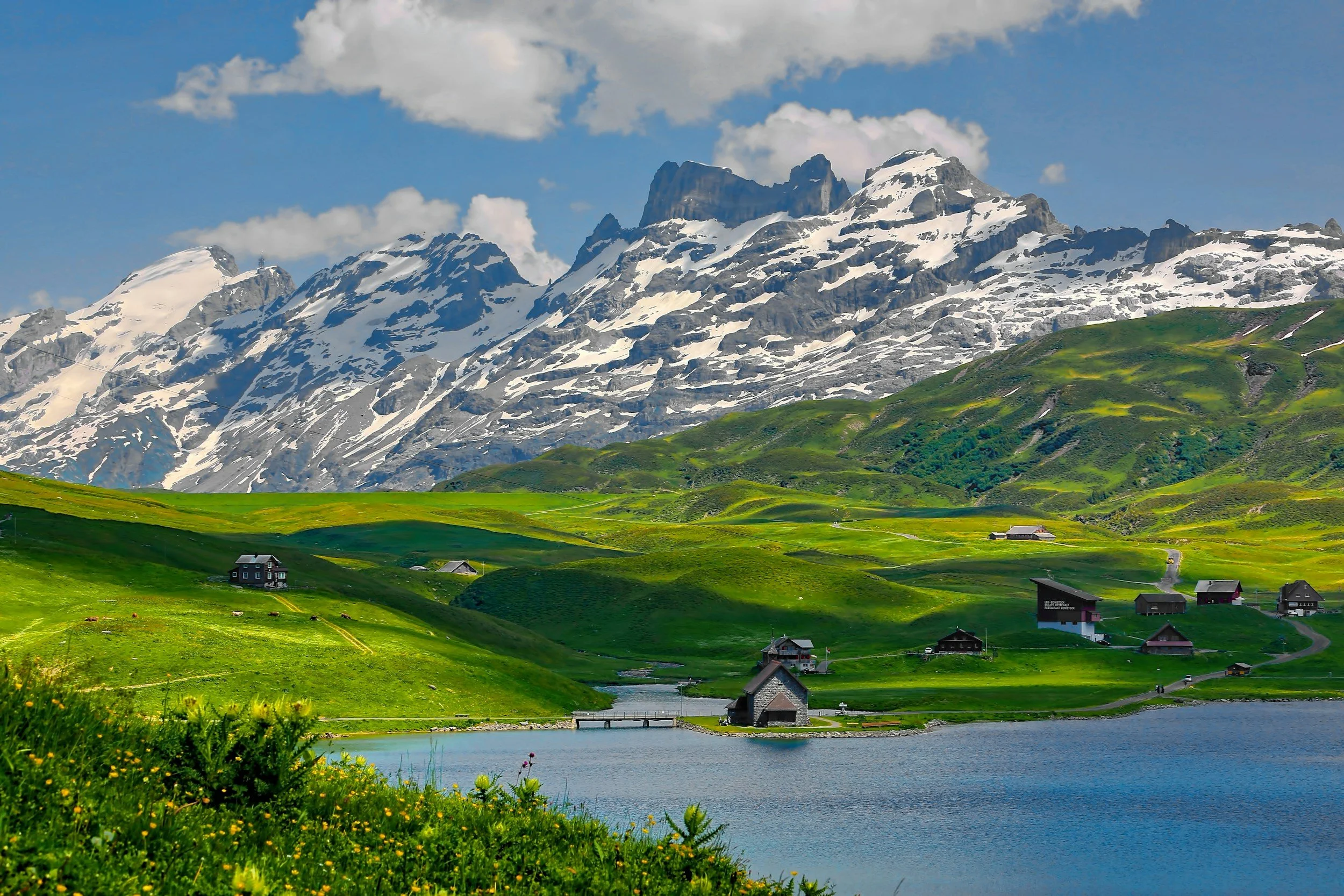
The Swiss Alps are one of the best summer destinations in Europe for hiking and mountain scenery.
By July, many high-elevation hiking routes are accessible, mountain transportation is operating on summer schedules, and alpine towns are filled with visitors taking advantage of the warmer weather.
Zermatt is a popular choice for views of the Matterhorn, while the Bernese Oberland provides easy access to destinations such as Interlaken, Grindelwald, Lauterbrunnen, Wengen, and Mürren.
Lauterbrunnen is particularly well known for its steep valley walls and waterfalls. From here, you can continue higher into the mountains using trains and cable cars.
Switzerland also has an extensive rail network, making it possible to build an entire vacation around scenic train rides and mountain towns without renting a car.
July is peak season in the Swiss Alps, so accommodations in popular mountain destinations can be expensive. Book early if Switzerland is a major part of your Europe summer itinerary.
5. Paris, France
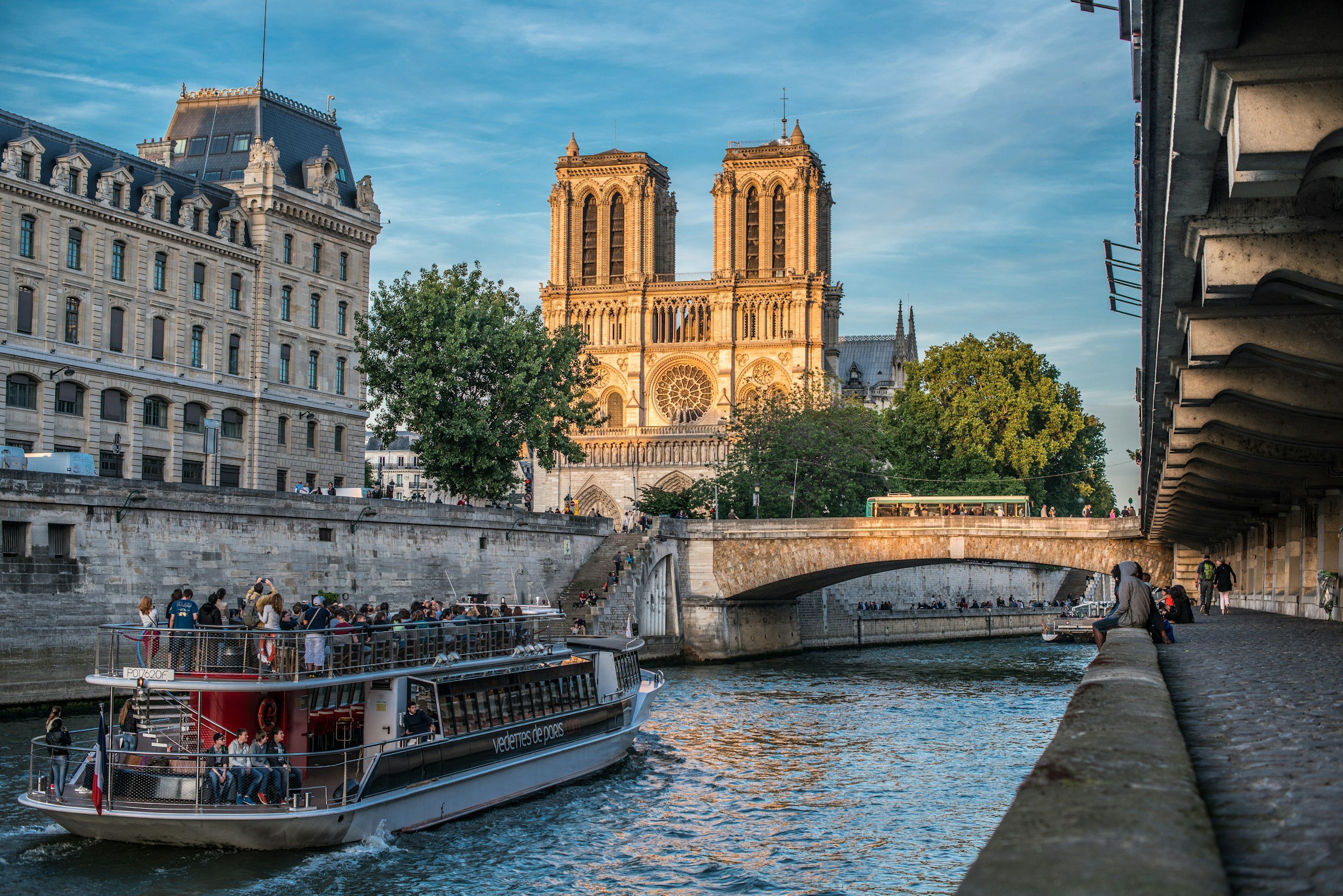
Paris is busy in July, but summer brings long days, outdoor dining, events, and plenty of opportunities to spend time along the Seine.
Major attractions such as the Eiffel Tower, Louvre Museum, Arc de Triomphe, and Musée d'Orsay can be crowded, so timed tickets are particularly useful during the summer.
July 14 is Bastille Day, France's national holiday. Paris traditionally marks the occasion with major celebrations, including events around the city.
Summer is also a good time to explore Paris beyond its museums. Walk through the Jardin du Luxembourg, visit Montmartre, have dinner outside, or spend an evening along the Seine.
The biggest consideration is heat. Paris can experience summer heat waves, and not every hotel has the level of air conditioning American travelers may expect. Check your accommodations before booking if air conditioning is important to you.
6. Belgian Cities: Brussels, Bruges and Ghent
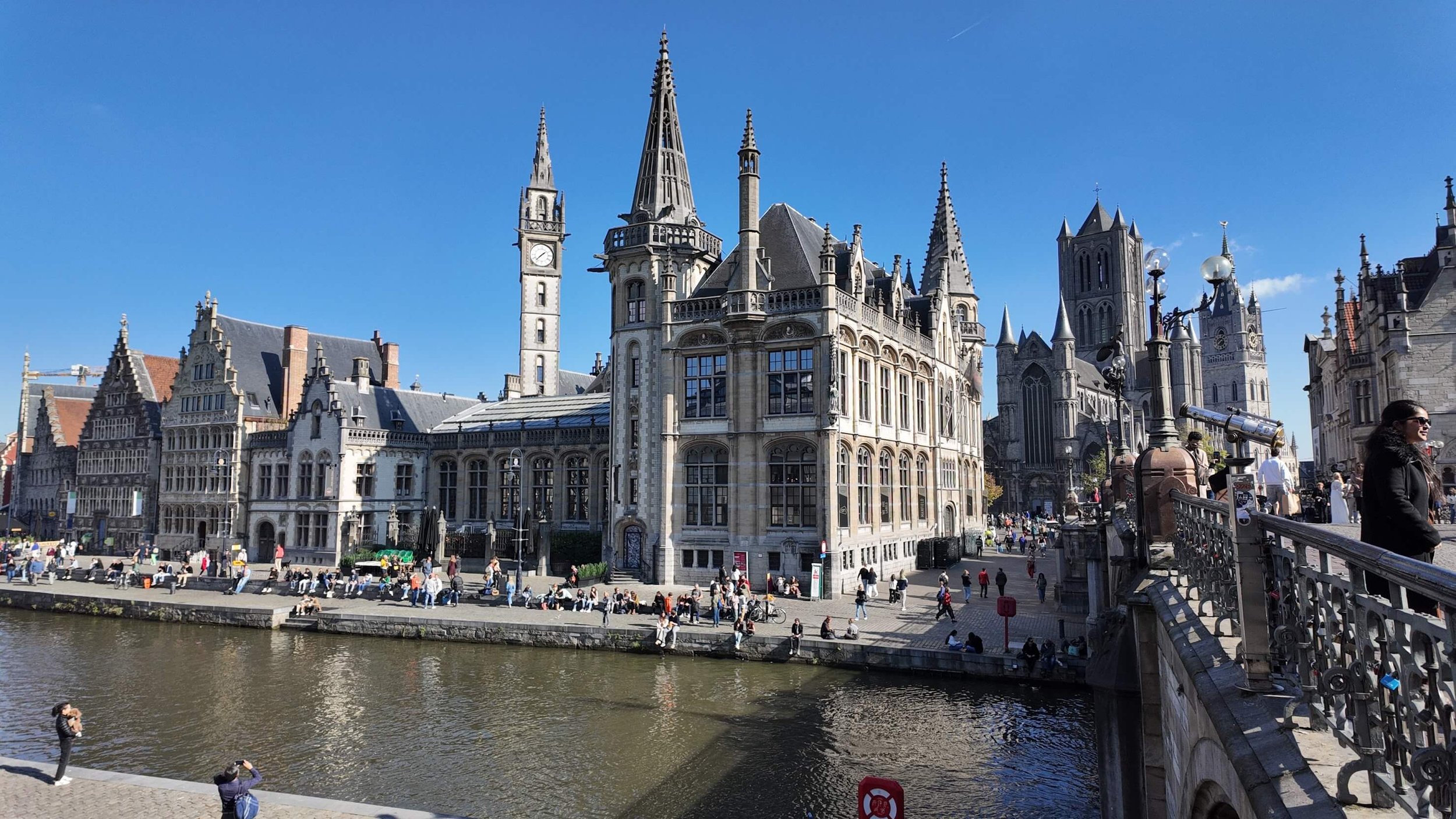
Belgium is a good option for travelers who want to combine several European cities without spending a lot of time traveling between them.
Brussels, Bruges, and Ghent can easily be combined into one trip using Belgium's train network.
In Brussels, visit Grand Place, see the Atomium, explore museums, and try Belgian chocolate, waffles, fries, and beer.
Bruges is known for canals, medieval architecture, cobblestone streets, and its historic center. A canal boat ride provides a different view of the city.
Ghent combines medieval architecture with a larger, active city. Visit Gravensteen Castle, walk along Graslei and Korenlei, and explore the historic center.
Belgium can still be busy in July, but temperatures are generally more comfortable than destinations farther south in Europe.
7. Puglia, Italy
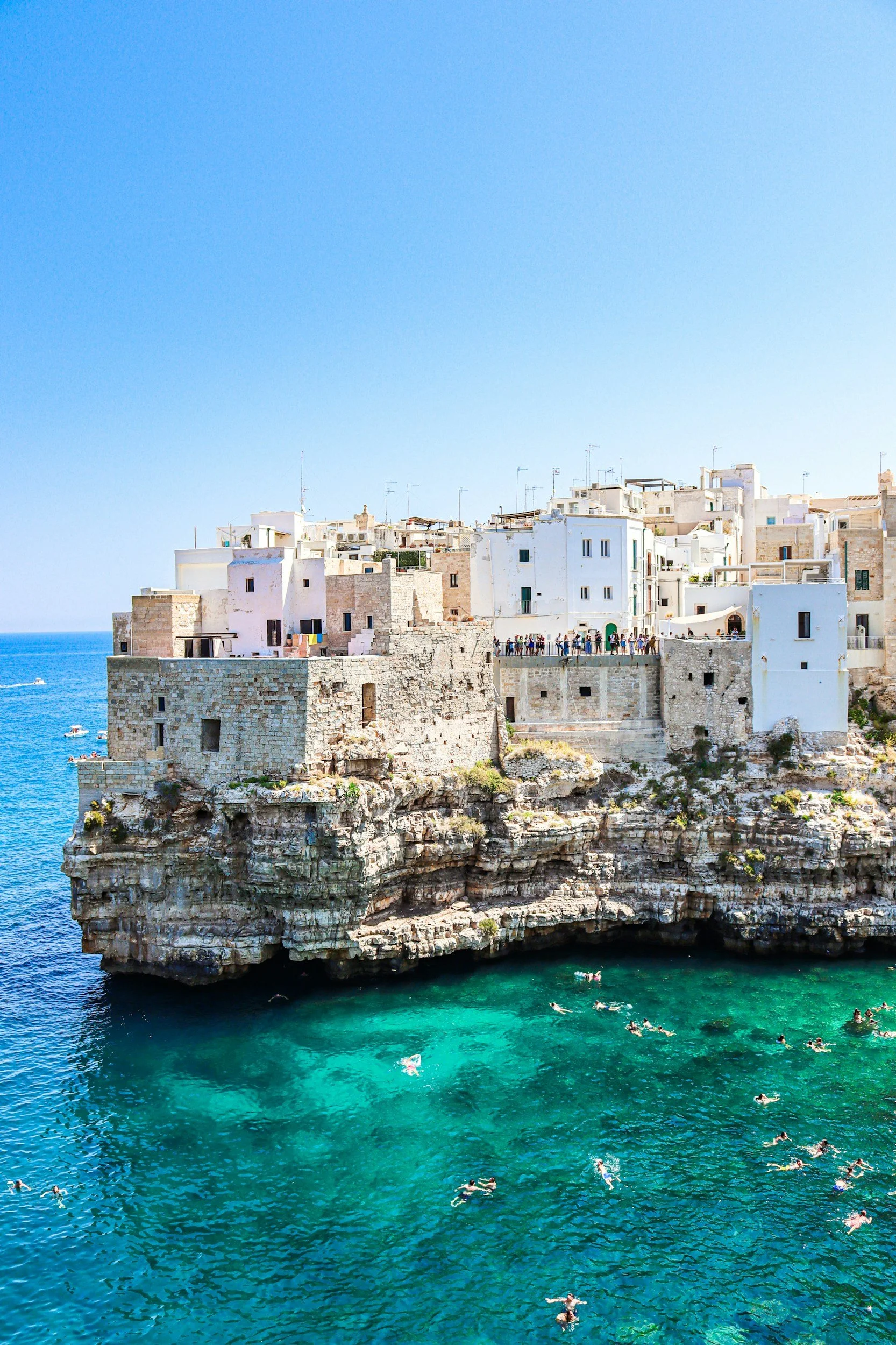
If you're looking for beaches in Europe in July, Puglia offers a long stretch of coastline along the heel of Italy's boot.
The region includes cities and towns such as Bari, Lecce, Ostuni, Polignano a Mare, Monopoli, and Alberobello.
Puglia's coastline has beaches, rocky coves, and clear Adriatic water, while the interior is filled with olive groves, farms, and historic towns.
Alberobello is particularly well known for its trulli, traditional stone buildings with cone-shaped roofs.
July is hot and busy, particularly along the coast, but Puglia gives you the ability to combine a European beach vacation with historic towns and regional Italian food.
Renting a car can make exploring smaller towns and beaches much easier.
8. Sicily, Italy
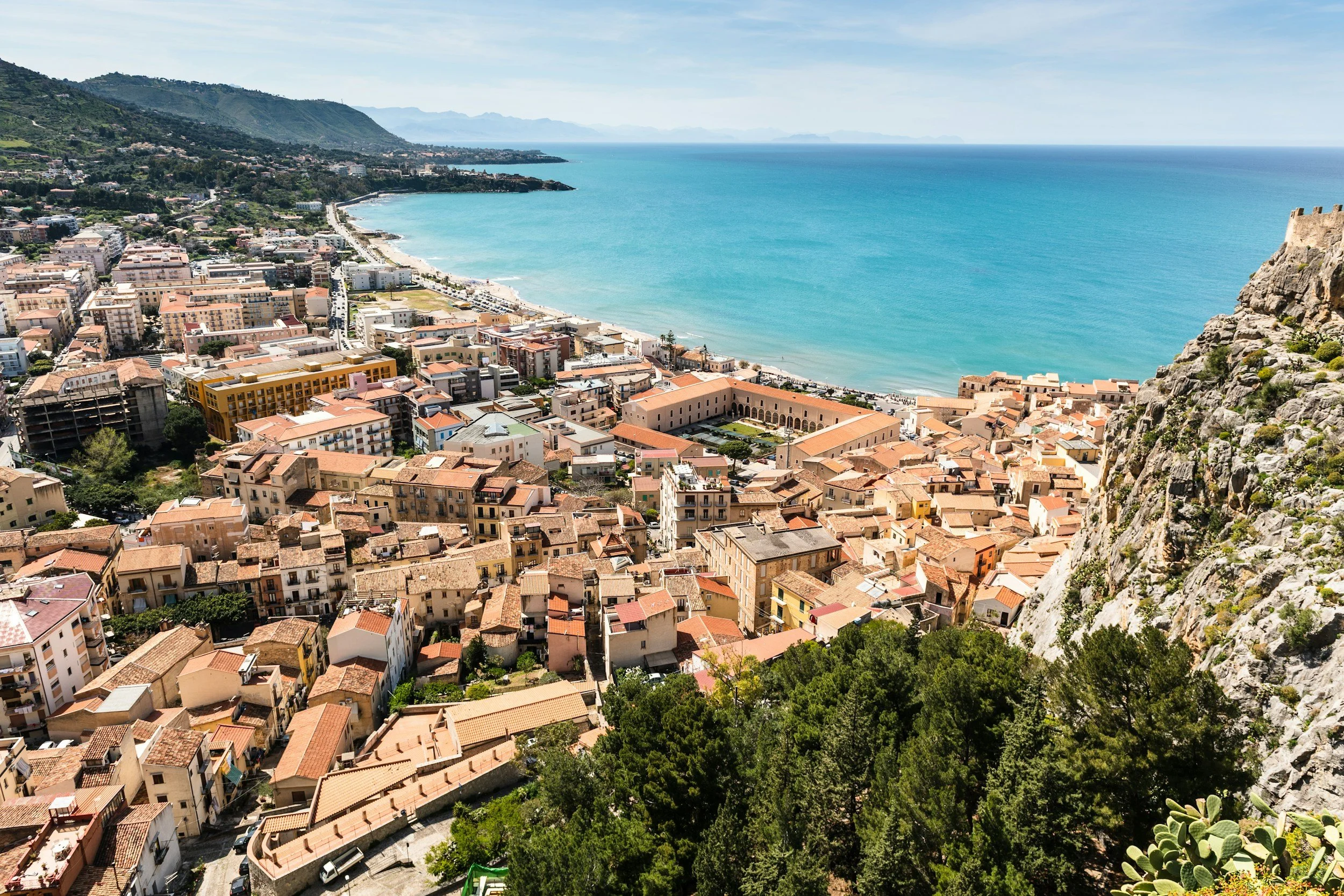
Sicily is another popular summer destination in Europe, combining beaches, archaeological sites, historic cities, volcanoes, and Italian food.
San Vito Lo Capo is known for its beach and clear water, while destinations such as Taormina, Palermo, Catania, Syracuse, and Cefalù provide very different experiences around the island.
Mount Etna adds another dimension to a Sicily trip. The active volcano dominates the landscape around eastern Sicily and can be explored through organized excursions.
July in Sicily can be extremely hot, particularly during the middle of the day. Schedule archaeological sites and walking tours for the morning when possible and leave afternoons for the beach, pool, or a long lunch.
If you're looking for a Mediterranean vacation with both beaches and historic attractions, Sicily is one of the best European destinations in July.
9. Rome, Italy
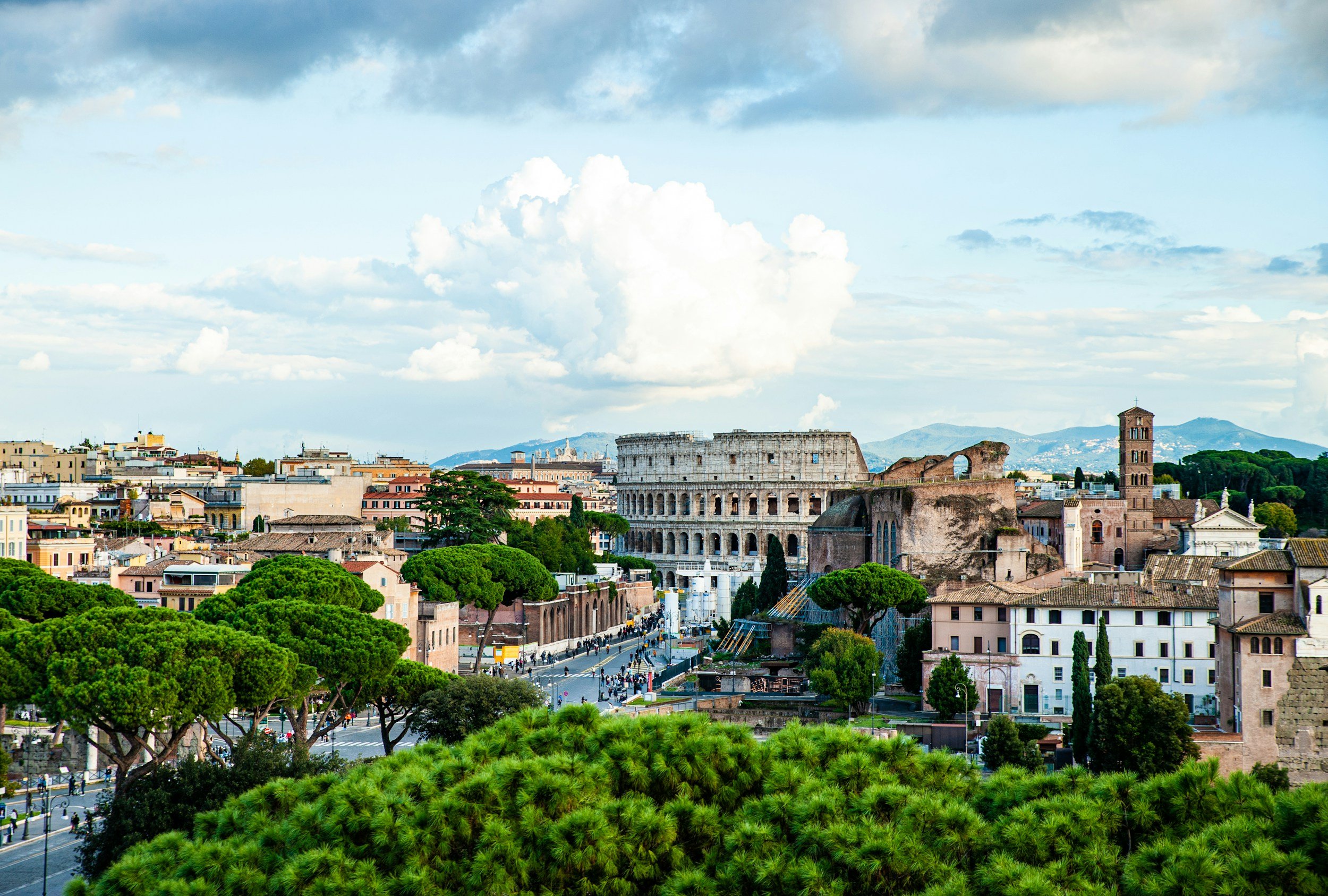
Rome is one of Europe's most popular cities, and July is one of its busiest and hottest months.
That doesn't mean you should avoid it. You simply need to plan around the weather and crowds.
Visit the Colosseum and Roman Forum early in the day when possible. The Pantheon, Trevi Fountain, Piazza Navona, and Spanish Steps can all be incorporated into a walking itinerary through central Rome.
Vatican City is another major stop, with St. Peter's Basilica, the Vatican Museums, and Sistine Chapel drawing large crowds throughout the summer.
Timed tickets are extremely helpful in July. You'll also want comfortable walking shoes, sunscreen, and plenty of water.
Evenings are one of the best parts of Rome in summer. Once temperatures begin to drop, outdoor restaurants and piazzas become much more comfortable.
10. Greek Islands
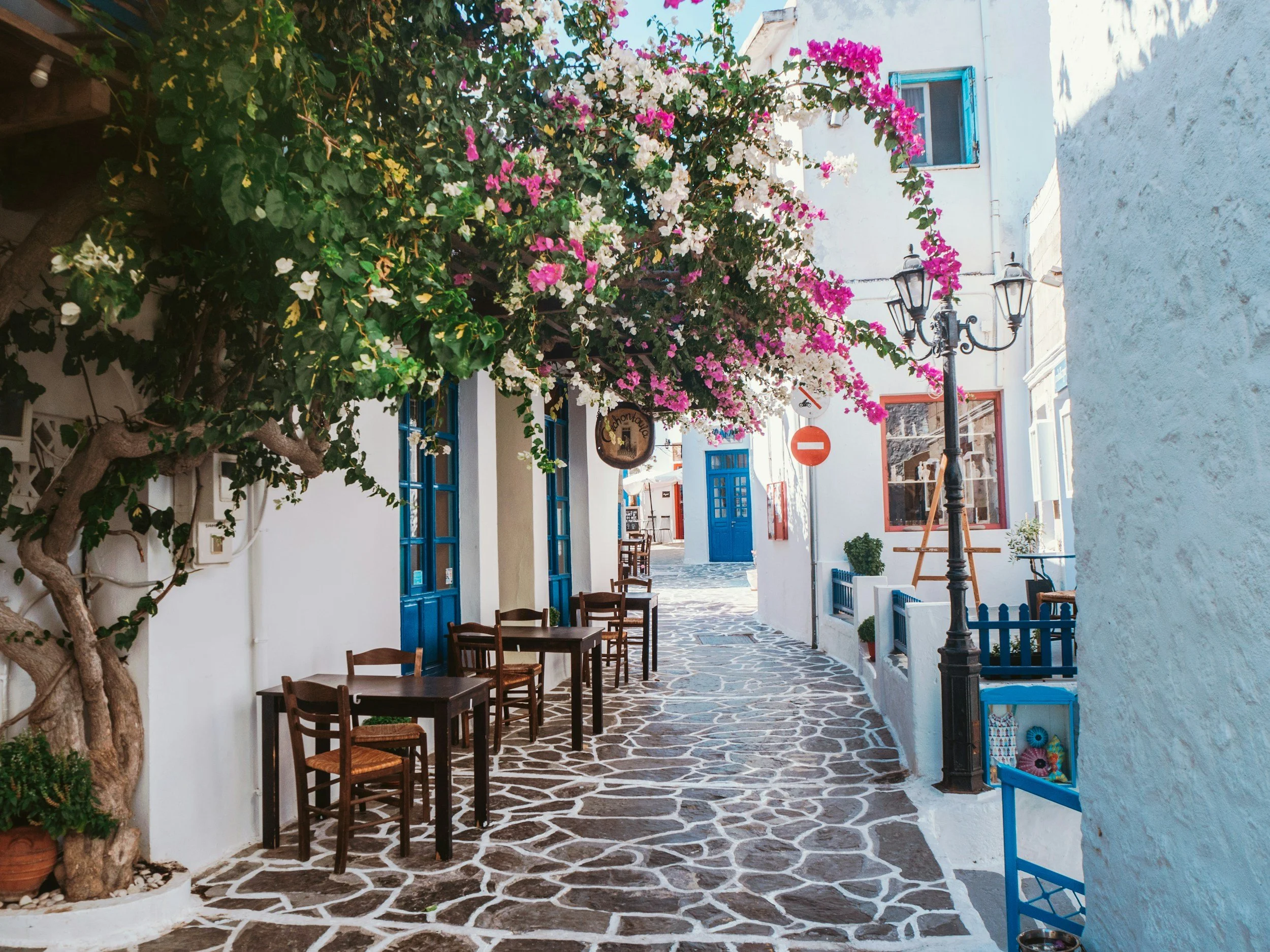
July is peak season in the Greek Islands, with warm Mediterranean water, sunny weather, nightlife, beaches, and busy ferry routes connecting the islands.
Santorini and Mykonos are two of the most famous Greek islands, but they're far from the only options.
Santorini is known for its caldera views, whitewashed buildings, sunsets, and volcanic landscape. Mykonos is particularly popular for nightlife, beach clubs, and its whitewashed old town.
Crete is significantly larger and offers beaches, cities, mountain scenery, and archaeological attractions such as Knossos.
If you're looking for alternatives to the most famous islands, consider Naxos, Paros, Milos, Corfu, or other islands that fit your preferred travel style.
July is extremely popular in Greece, so book accommodations and ferries well in advance.
11. Croatian Coast
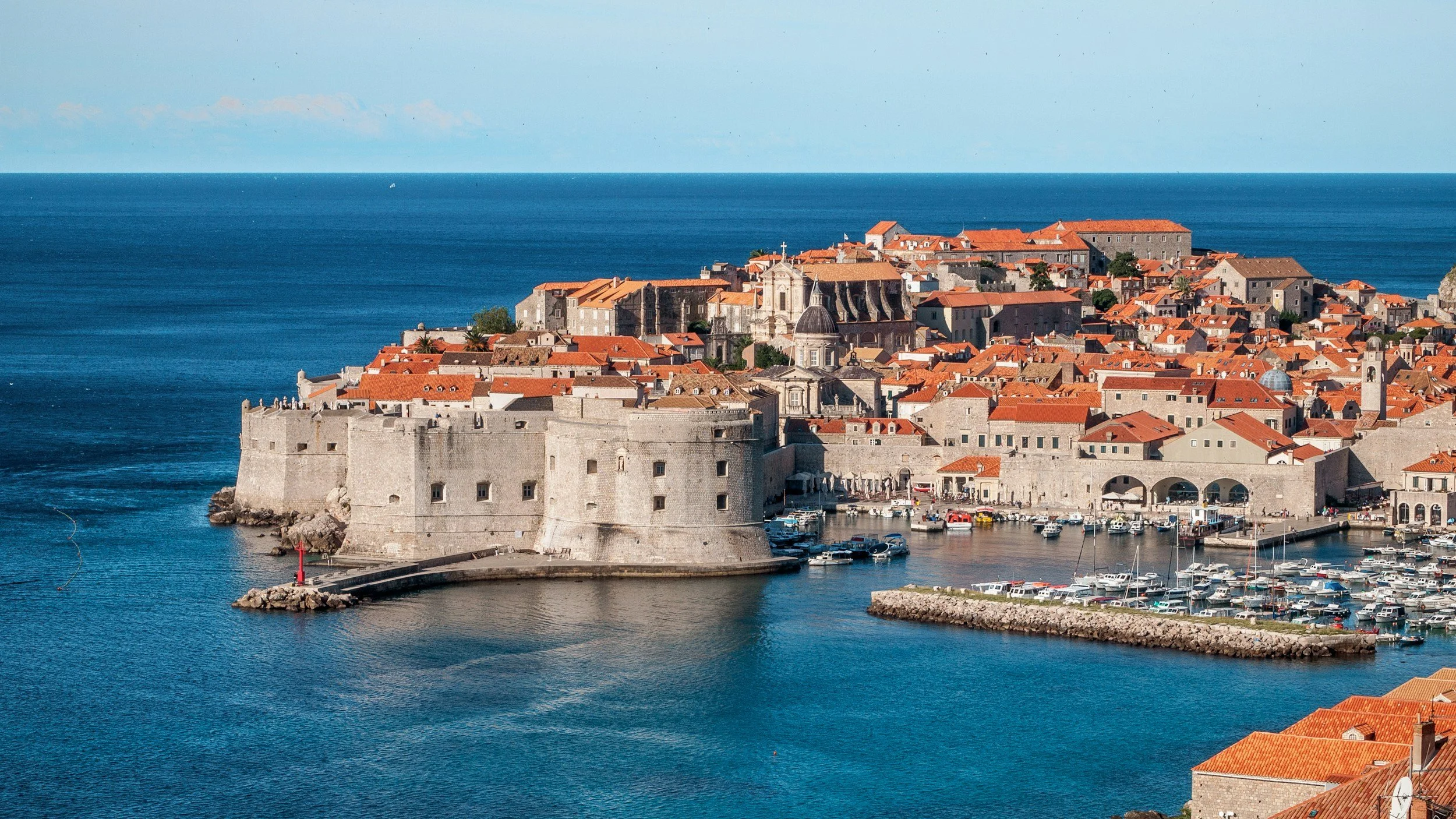
Croatia has become one of Europe's major summer destinations thanks to its historic coastal cities, islands, and clear Adriatic water.
Dubrovnik is known for its fortified Old Town and city walls, while Split combines Roman history with access to nearby islands.
Hvar and Korčula are two popular island destinations that can be incorporated into a Croatia island-hopping itinerary.
July is one of the busiest months along the Croatian coast. Dubrovnik in particular can become crowded during the middle of the day, especially when cruise ships are in port.
Starting your sightseeing early in the morning and saving the hottest hours for swimming or lunch can make the experience much more enjoyable.
12. Vienna, Austria
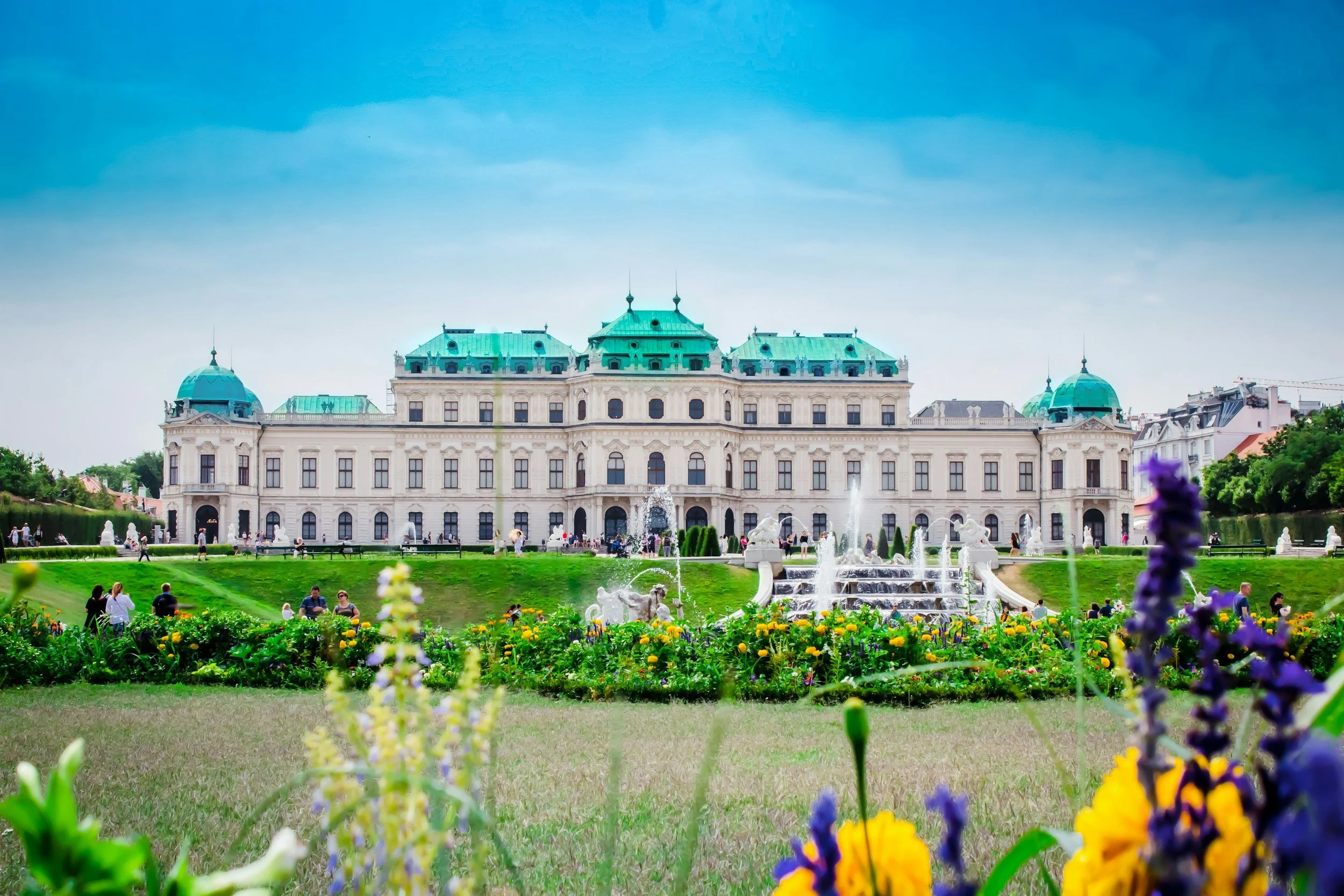
Vienna is a great European city to visit in July if you're interested in history, museums, architecture, music, and café culture.
Schönbrunn Palace is one of the city's biggest attractions and includes extensive gardens that are particularly enjoyable during summer.
You can also visit the Hofburg, Austrian National Library, Kunsthistorisches Museum, Belvedere Palace, and Vienna State Opera.
Summer gives you more time to enjoy Vienna's parks, outdoor restaurants, and public spaces.
The city can become hot in July, but there are plenty of museums and indoor attractions where you can escape the afternoon heat.
13. Prague, Czech Republic
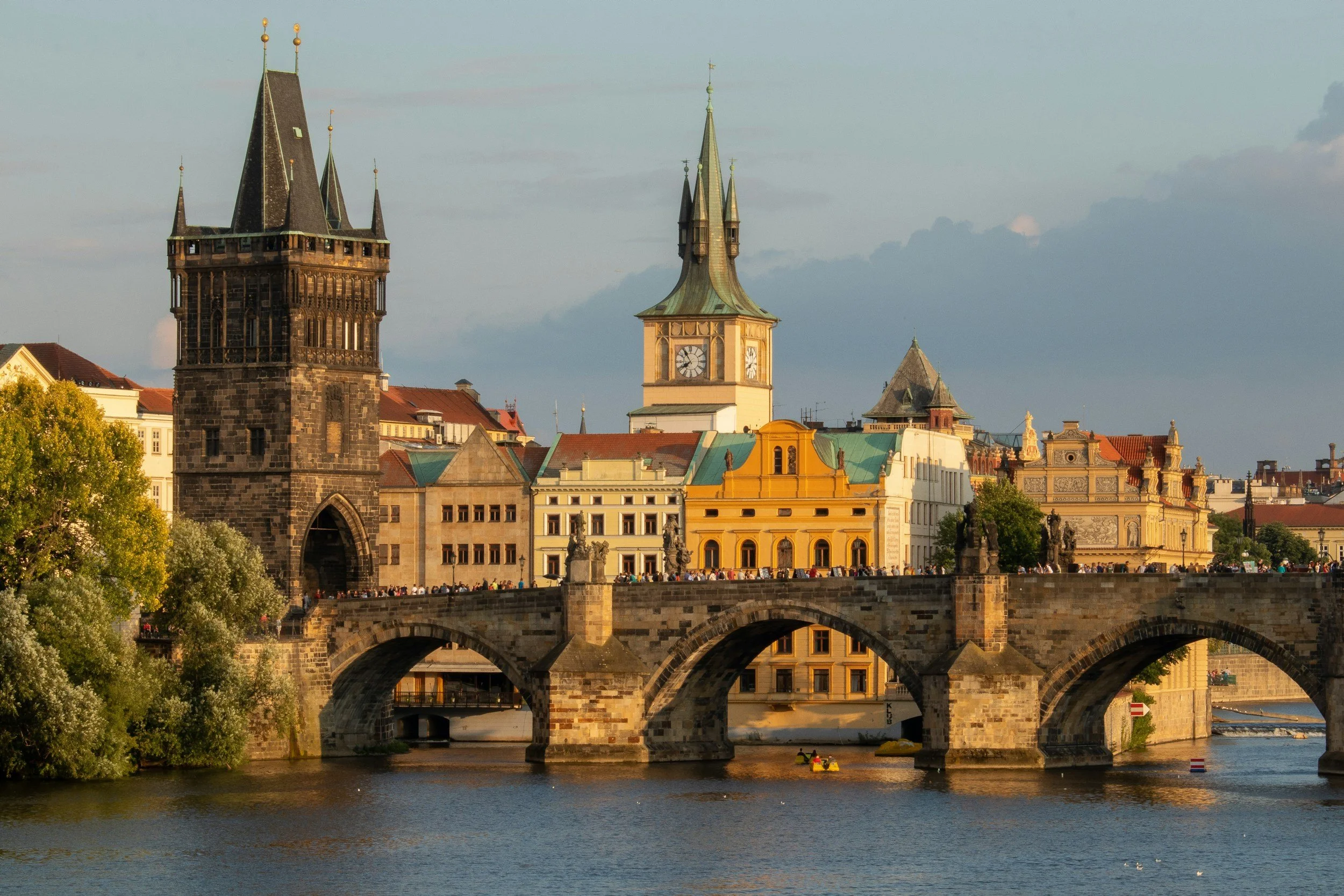
Prague combines a compact historic center with castles, churches, bridges, restaurants, and some of the most recognizable architecture in Central Europe.
Start in Old Town Square before walking across Charles Bridge toward Malá Strana and Prague Castle.
Prague Castle is a large complex rather than a single building and includes St. Vitus Cathedral, historic palaces, courtyards, and viewpoints over the city.
July brings warm weather and large crowds, particularly around Old Town and Charles Bridge.
Visit the most popular areas early in the morning if you want a quieter experience, then explore neighborhoods outside the busiest tourist center later in the day.
14. Budapest, Hungary
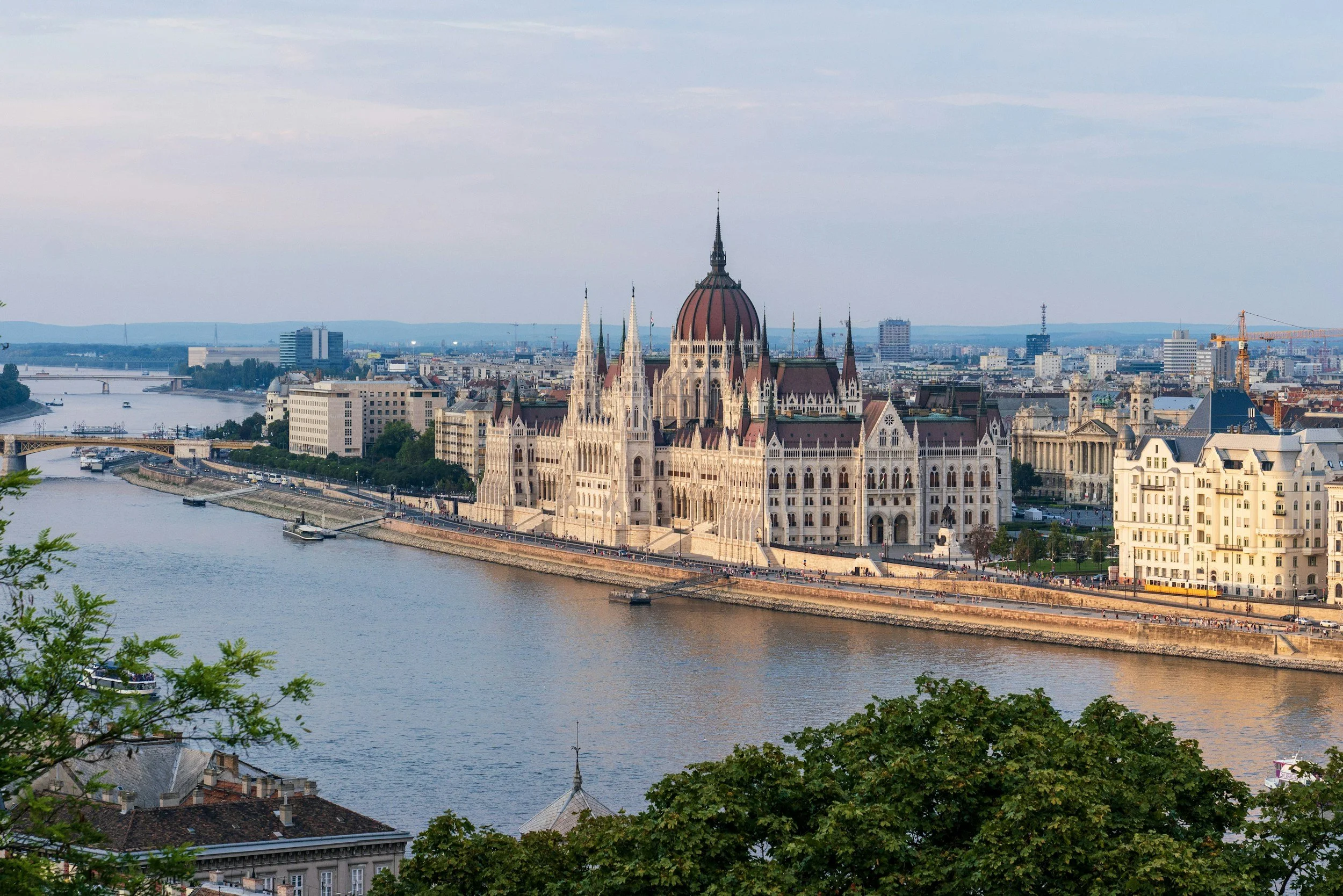
Budapest is one of the best European cities to visit in summer if you want architecture, nightlife, history, and thermal baths.
The Danube divides the city between Buda and Pest, with many major attractions located along or near the river.
Visit the Hungarian Parliament Building, Fisherman's Bastion, Buda Castle, St. Stephen's Basilica, and the Great Market Hall.
Budapest is also famous for its thermal baths. Széchenyi Thermal Bath is one of the largest and most recognizable, with both indoor and outdoor pools.
Gellért Thermal Bath is another historic option known for its Art Nouveau architecture, though travelers should always check current opening information before planning around a specific bath.
Summer evenings are a great time to walk along the Danube or take a river cruise to see the city's major buildings illuminated.
15. Kraków, Poland
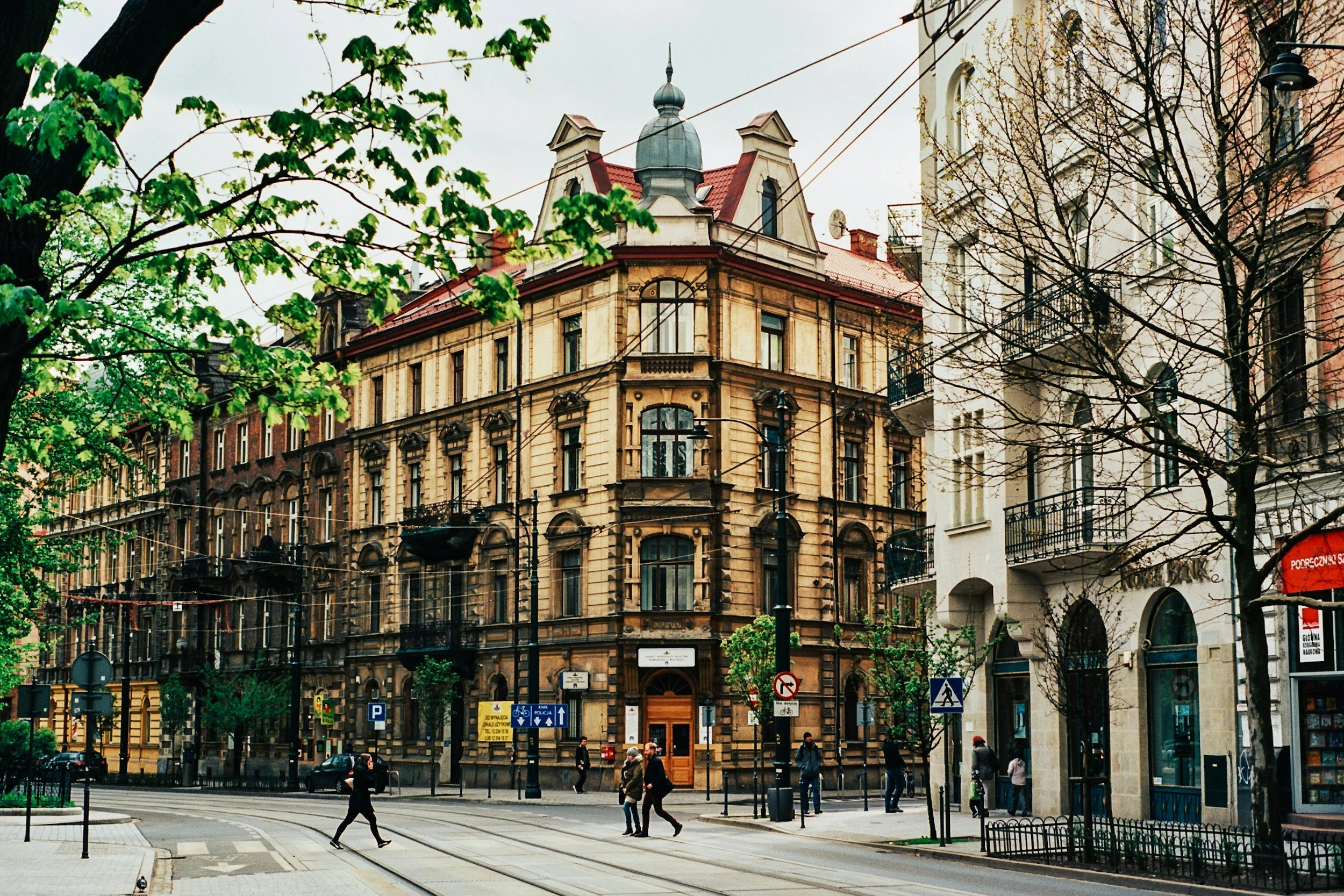
Kraków is a good choice for travelers interested in history, architecture, and Polish culture.
The city's historic center includes Rynek Główny, one of Europe's largest medieval market squares, along with St. Mary's Basilica and Cloth Hall.
Wawel Royal Castle sits above the Vistula River and is another major Kraków attraction.
Visitors can also explore Kazimierz, the city's historic Jewish district.
Many travelers use Kraków as a base for visiting the Auschwitz-Birkenau Memorial and Museum. This is a site of remembrance and education connected to the Holocaust, and visitors should approach it accordingly rather than treating it as a typical tourist attraction.
July weather is generally suitable for spending long days outside, although the city can still become busy during peak summer travel.
16. Tallinn, Estonia
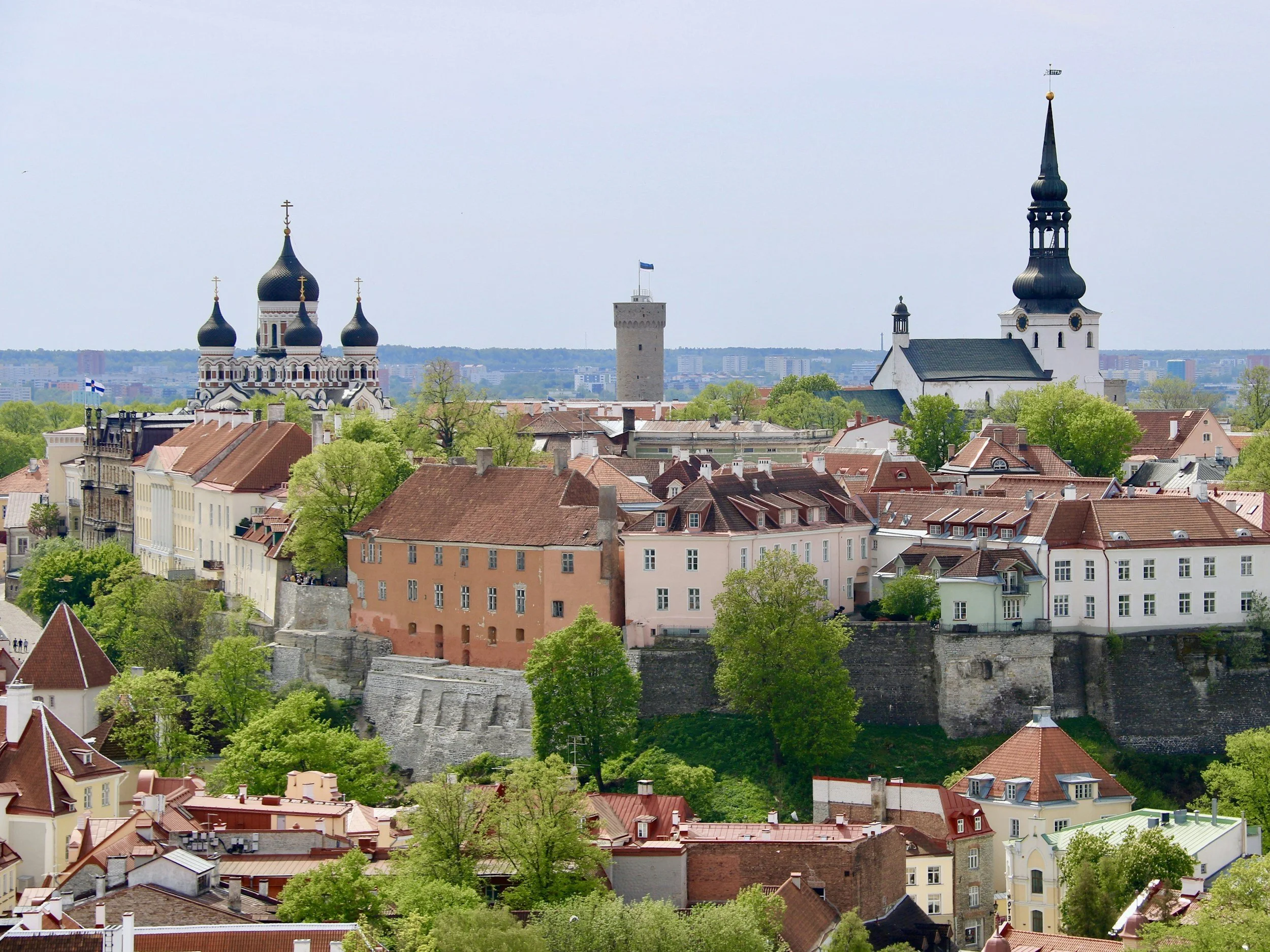
Tallinn is one of the best places to visit in Northern Europe in July.
The Estonian capital is known for its well-preserved medieval Old Town, city walls, towers, churches, cobblestone streets, and viewpoints.
Summer brings long daylight hours and mild temperatures compared with southern Europe.
You can walk through Town Hall Square, climb to viewpoints above the Old Town, explore the city's medieval streets, and visit neighborhoods beyond the historic center.
Tallinn is also easy to combine with Helsinki, Finland, using the ferry across the Gulf of Finland.
17. Riga, Latvia
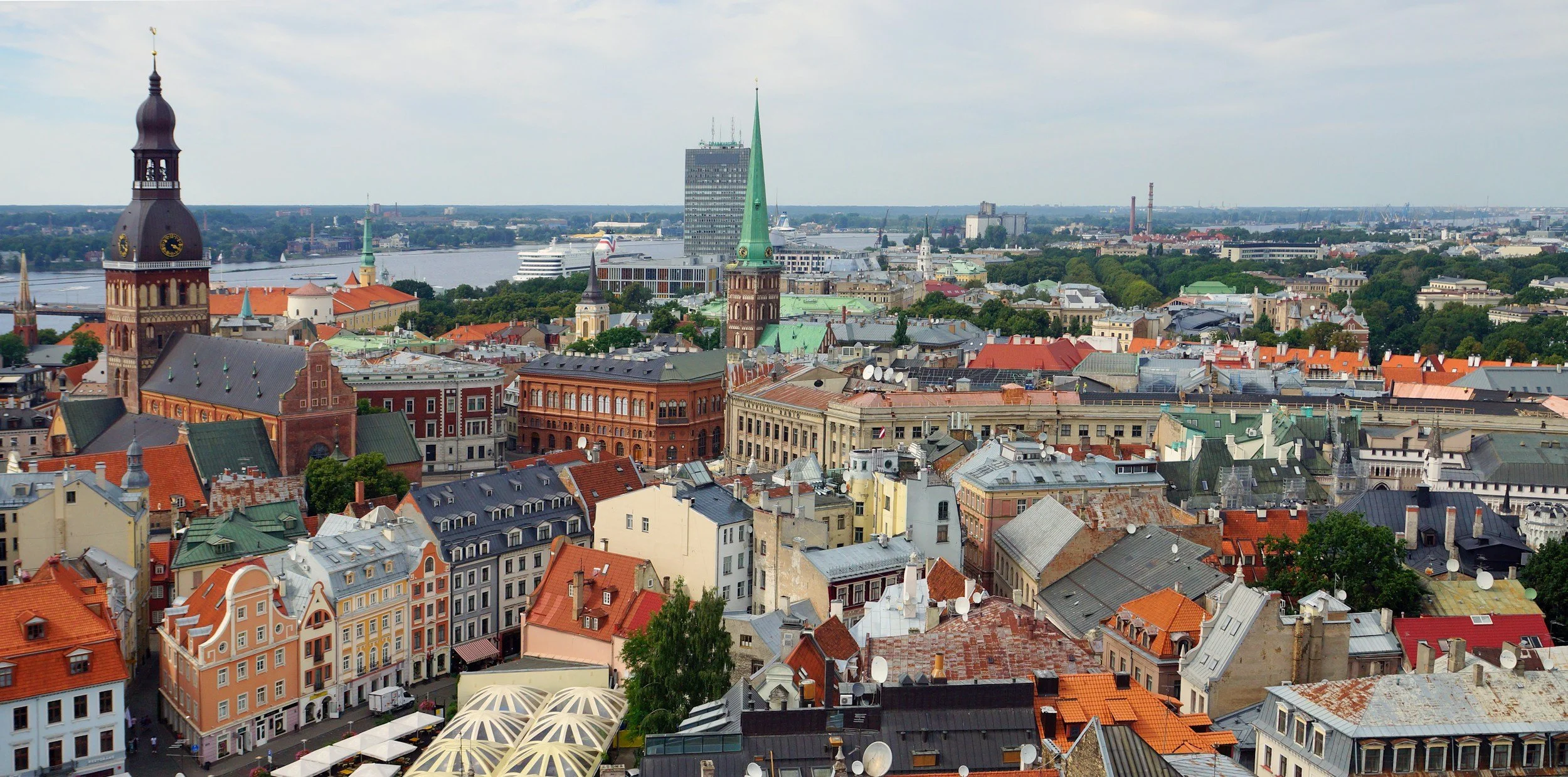
Riga is another Baltic capital worth considering for a July Europe trip.
Latvia's capital has a large historic center, Art Nouveau architecture, markets, parks, restaurants, and a location along the Daugava River.
Riga Central Market is one of the city's most interesting places to explore local foods and everyday life.
The city's Art Nouveau district is also worth visiting, particularly around Alberta Street.
July offers long days and comfortable conditions for exploring the city on foot.
18. Vilnius, Lithuania
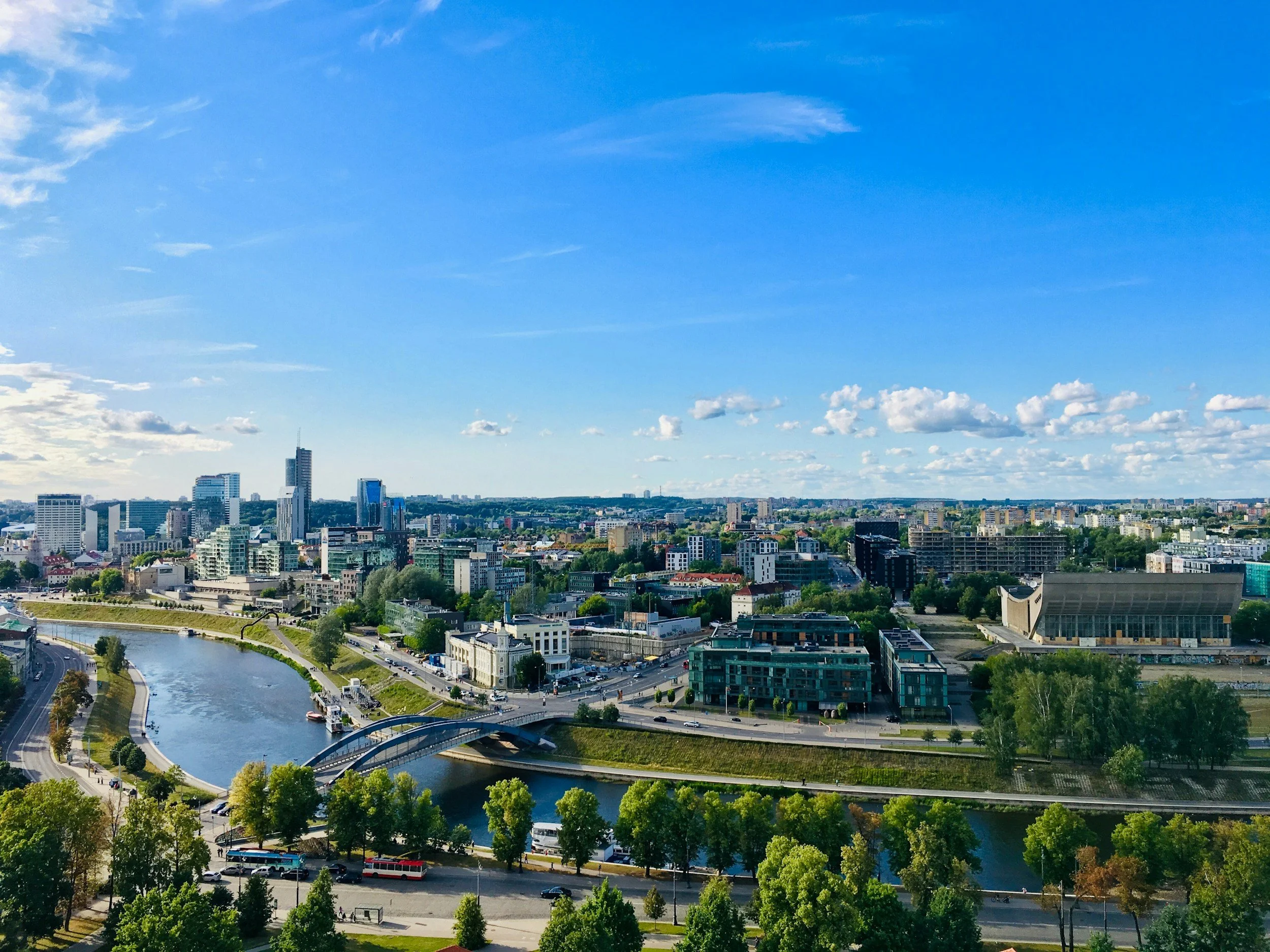
Vilnius rounds out a summer trip through the Baltic capitals.
Lithuania's capital is known for its Baroque architecture, historic churches, courtyards, and compact Old Town.
Walk through Cathedral Square, visit Gediminas Tower, explore the streets of the historic center, and cross into Užupis, an arts-focused neighborhood that declared itself an independent republic as part of a local cultural project.
Vilnius is generally less crowded than Europe's biggest summer destinations, making it worth considering if you want a European city break outside the main tourist circuit.
Tallinn, Riga, and Vilnius can also be combined into a longer Baltic itinerary.
19. Ljubljana, Slovenia
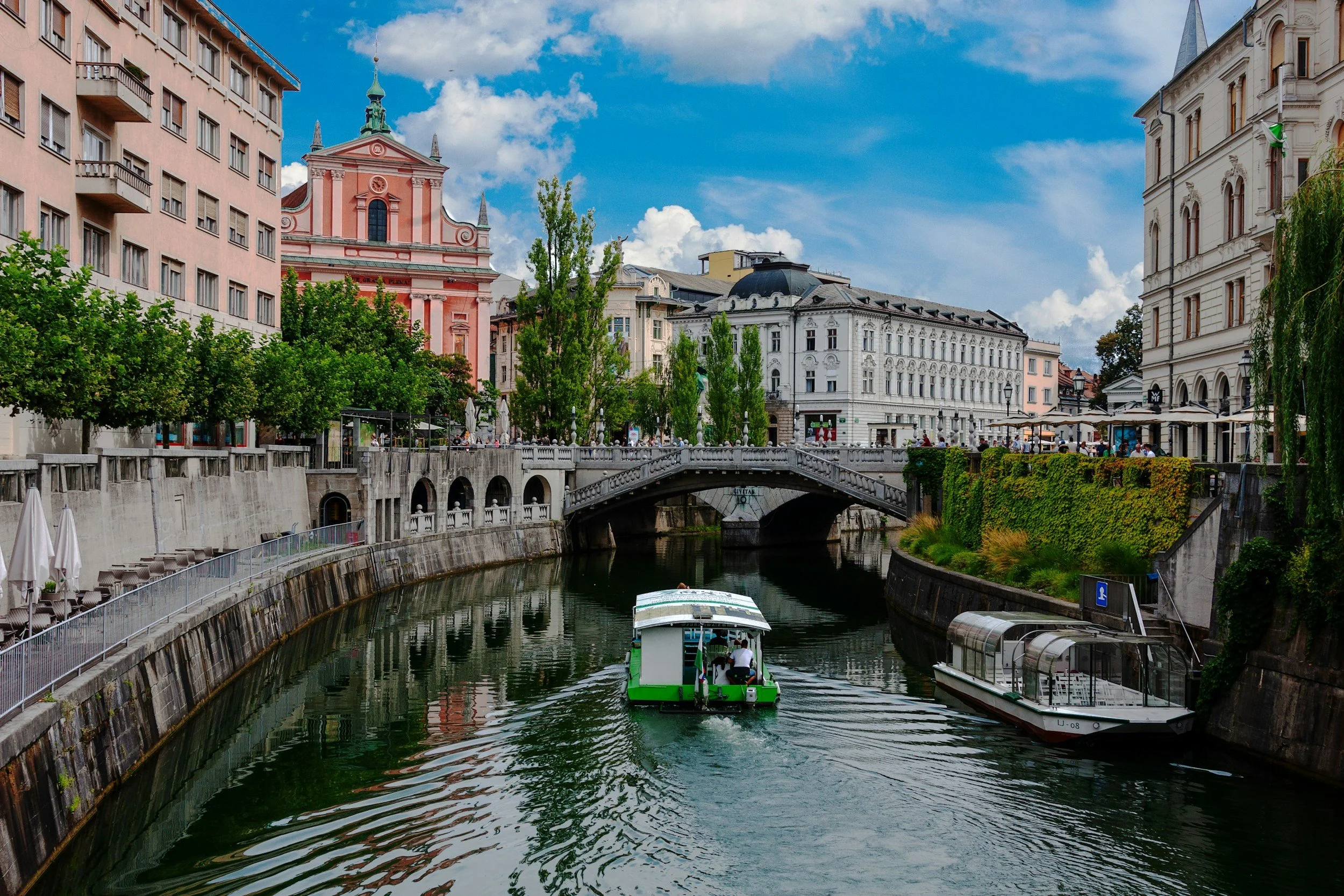
Ljubljana is a smaller European capital that works particularly well as part of a Slovenia summer trip.
The city center is compact and easy to explore on foot. Ljubljana Castle overlooks the city, while the Ljubljanica River runs through the center past cafés, restaurants, and historic buildings.
One of Ljubljana's biggest advantages is its location.
From the city, you can travel to Lake Bled, the Julian Alps, caves, wine regions, and other destinations throughout Slovenia.
If you're looking for a European destination in July that combines a smaller city with easy access to outdoor activities, Ljubljana is worth considering.
20. Montenegro
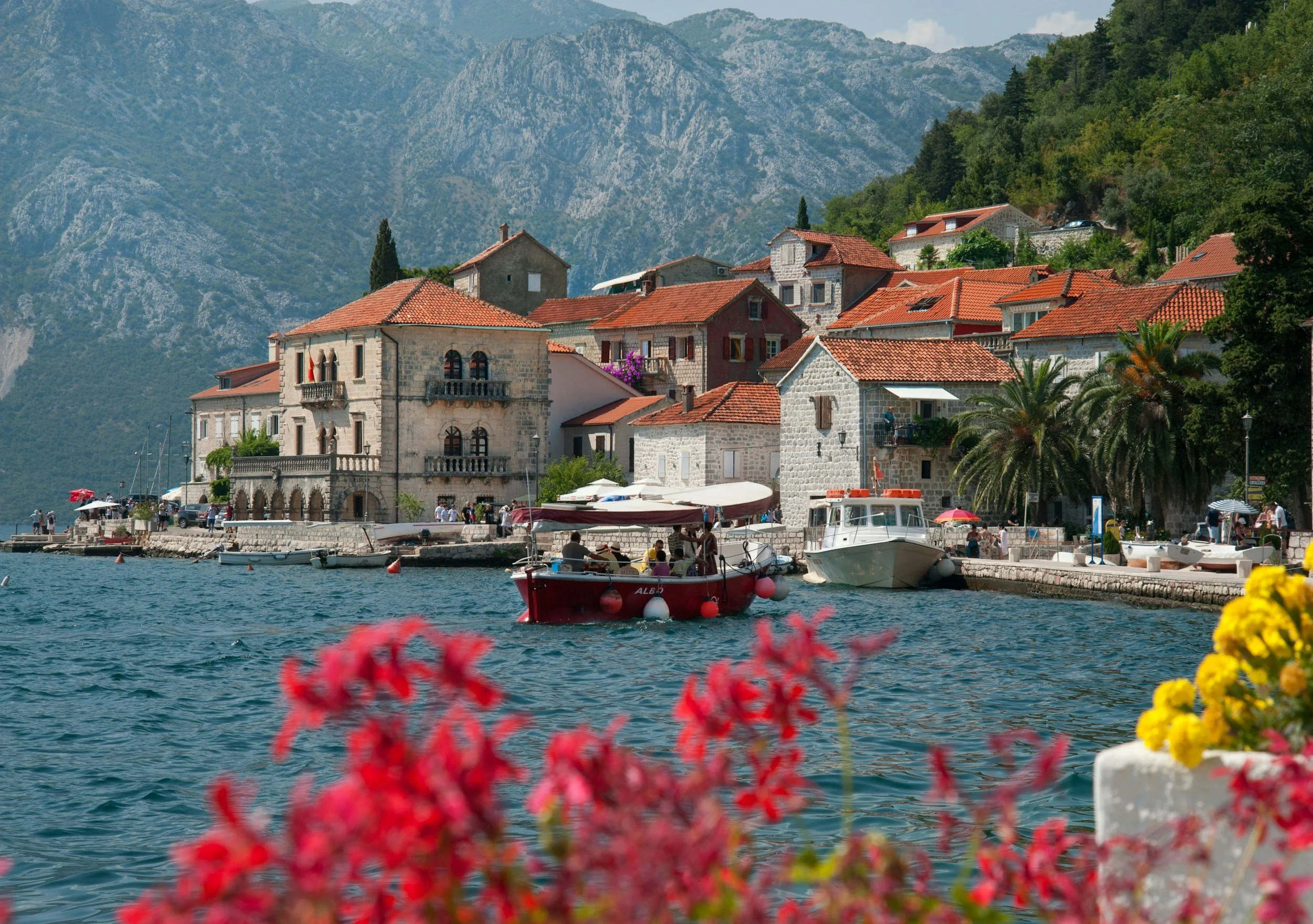
Montenegro is a good alternative for travelers interested in the Adriatic coast, mountains, beaches, and historic towns.
Kotor is one of the country's most popular destinations. Its walled Old Town sits along the Bay of Kotor beneath steep mountains.
Budva is another major coastal destination with beaches, nightlife, and a historic Old Town.
July is peak season along Montenegro's coast, so don't expect the most popular destinations to be empty. However, traveling inland or exploring smaller towns can give you a different experience.
Montenegro can also be combined with Croatia or other Balkan destinations on a longer European summer trip.
Best European Beach Destinations in July
If your main goal is a European beach vacation, July gives you plenty of choices.
Greece, Croatia, Italy, Spain, Portugal, southern France, Malta, Cyprus, and Montenegro all have popular Mediterranean or southern European beach destinations.
The Greek Islands are a strong option for island hopping, while Croatia is particularly good if you want to combine historic coastal cities with islands.
Italy gives you several completely different beach regions, including Sicily, Sardinia, Puglia, and the Amalfi Coast.
Keep in mind that July is peak beach season. Popular coastal areas can be crowded and expensive, so reserve accommodations early.
Best Places in Europe in July for Cooler Weather
You don't have to spend your European summer vacation in 90-degree heat.
For cooler weather, look north or head into the mountains.
Norway, Iceland, Sweden, Finland, Scotland, and the Baltic countries generally have cooler summer temperatures than southern Europe.
The Swiss Alps, Austrian Alps, French Alps, and Italian Dolomites can also be good choices for travelers interested in mountain scenery and hiking.
Weather can still change quickly in these destinations, particularly at higher elevations, so pack layers even in July.
Best Places in Europe in July for Hiking
July is one of the best months for hiking in many of Europe's mountain regions.
The Swiss Alps are an obvious choice, with trails around Zermatt, Grindelwald, Lauterbrunnen, Mürren, and other mountain towns.
Norway offers hikes overlooking fjords and mountains, while Iceland has trails through volcanic landscapes.
The Dolomites in northern Italy are another major European summer hiking destination, with dramatic mountain scenery, cable cars, mountain huts, and trails for different ability levels.
Slovenia's Julian Alps and France's Alpine regions provide even more options.
Always check local trail conditions before setting out. Snow can remain at higher elevations even during summer.
Best Places in Europe in July for Long Daylight Hours
If you want to maximize your sightseeing time, Northern Europe has some of the longest days.
Norway, Sweden, Finland, and Iceland experience extremely long daylight hours during July.
Travel far enough north of the Arctic Circle and you'll reach areas experiencing the Midnight Sun.
Even farther south, European cities have considerably longer summer days than they do during winter. Paris, London, Amsterdam, Berlin, Prague, and other northern and central European cities remain light well into the evening.
This can make July especially useful for travelers trying to fit a lot of sightseeing into each day.
Is Europe Crowded in July?
Yes. July is one of the busiest months to travel around Europe.
Popular destinations such as Paris, Rome, Venice, Barcelona, Santorini, Dubrovnik, and the Amalfi Coast can become extremely busy.
That doesn't mean you need to avoid Europe in July. You simply need to plan differently.
Reserve major attractions ahead of time, start sightseeing early, and consider spending part of your trip outside the biggest tourist destinations.
You can also choose less visited cities and regions, including parts of the Baltics, Slovenia, Montenegro, Poland, and smaller destinations throughout Central and Northern Europe.
Is Europe Expensive in July?
July can be one of the more expensive times to visit Europe because demand for flights, hotels, vacation rentals, and popular tours is high.
Beach destinations and famous European cities can be particularly expensive during peak summer.
Booking early gives you a larger selection of accommodations and transportation options, although it doesn't guarantee the lowest price.
If you're traveling between cities by train, check whether advance tickets are available. Some European rail routes become significantly more expensive as the travel date approaches, while others use different pricing systems.
Mixing expensive destinations with more affordable cities can also help control the overall cost of a European summer vacation.
What to Pack for Europe in July
What you pack depends heavily on where you're going.
For southern Europe, lightweight clothing, comfortable walking shoes, sunscreen, sunglasses, and a hat are useful. A refillable water bottle is also helpful for long sightseeing days.
If you're visiting churches or religious sites, pack clothing that meets local dress requirements.
For Northern Europe and mountain destinations, bring layers. Even when daytime temperatures are comfortable, evenings and high elevations can be cool.
A lightweight rain jacket or small umbrella is useful in many parts of Europe because summer rain and thunderstorms can occur.
Most importantly, bring comfortable shoes. European vacations often involve significantly more walking than travelers expect.
Tips for Visiting Europe in July
July requires a little more advance planning than traveling during the shoulder season.
Book popular hotels, trains, ferries, and attractions as soon as your plans are firm. This is particularly important for destinations such as the Greek Islands, Swiss Alps, Croatian coast, Paris, and Rome.
Schedule major outdoor attractions early in the morning when visiting hot destinations. You'll encounter cooler temperatures and, in many cases, smaller crowds.
Leave some flexibility in your itinerary. Summer heat, thunderstorms, transportation delays, and crowds can affect even carefully planned days.
Don't try to visit too many countries in one trip. Europe looks compact on a map, but repeatedly packing, checking out of hotels, traveling, and checking into new accommodations can consume a large part of your vacation.
A trip that combines a few destinations in the same region will often give you more actual vacation time.
Where Should You Stay in Europe in July?
Europe has accommodations at nearly every price point, from hostels and guesthouses to apartments and luxury hotels.
Location matters, particularly during summer. Staying close to the attractions you plan to visit or near a convenient public transportation station can save time when streets and transit systems are crowded.
Air conditioning is another feature worth checking. It's not standard in every European hotel or apartment, particularly in older buildings and cooler destinations.
Don't assume a property has air conditioning simply because you're visiting in July. Verify it before booking if it's important to you.
For mountain and beach destinations, book early. Small towns and islands have a limited supply of accommodations compared with major cities.
Food to Try During a European Summer Trip
Food is one of the best parts of traveling through Europe, and summer is a great time to eat outside and visit local markets.
In Spain, try regional tapas and dishes rather than assuming the food is the same throughout the country.
Italy's food changes dramatically between regions. Sicily, Puglia, Rome, Venice, Tuscany, and northern Italy all have their own specialties.
In Belgium, look for waffles, fries, chocolate, and regional beers. Poland is known for foods such as pierogi, while Croatia's coastal cuisine includes plenty of seafood.
Greece is an especially good summer food destination, with grilled meats, seafood, salads, cheeses, and dishes that vary between the mainland and islands.
Instead of looking only for famous restaurants, check neighborhood markets, bakeries, cafés, and smaller local restaurants as you travel.
Frequently Asked Questions About Visiting Europe in July
Is July a Good Time to Visit Europe?
Yes. July is a great time to visit Europe if you want warm weather, long daylight hours, beaches, hiking, festivals, and outdoor dining.
The main drawbacks are larger crowds, higher prices, and hot weather in southern Europe.
Where Is the Best Place to Visit in Europe in July?
The best destination depends on what you want to do. Norway, Iceland, and the Swiss Alps are great for outdoor activities and cooler temperatures, while Greece, Croatia, Sicily, and Puglia are popular for beaches.
Paris, Vienna, Prague, Budapest, and other major cities work well if sightseeing and culture are your priorities.
Where in Europe Is Not Too Hot in July?
Northern Europe and mountain destinations are generally the best choices if you want to avoid extreme summer heat.
Consider Norway, Iceland, Sweden, Finland, Estonia, Latvia, Lithuania, the Swiss Alps, or other Alpine regions.
What Are the Best European Countries to Visit in July?
Some of the best countries to visit in Europe in July include Norway, Iceland, Switzerland, France, Italy, Greece, Croatia, Austria, Slovenia, and the Baltic countries.
Which country is best depends on whether you're looking for beaches, cities, mountains, nightlife, food, or outdoor activities.
Where Are the Best Beaches in Europe in July?
Greece, Croatia, Italy, Spain, Portugal, Malta, Cyprus, Montenegro, and southern France all have popular summer beach destinations.
The Greek Islands, Sicily, Puglia, Croatia's islands, and Spain's Balearic Islands are particularly popular in July.
Is Southern Europe Too Hot in July?
It can be. Heat waves in Spain, Italy, Greece, Portugal, and other parts of southern Europe can push temperatures well above typical summer averages.
You can still visit these destinations in July, but schedule outdoor sightseeing early in the morning, take breaks during the hottest part of the afternoon, and stay hydrated.
What Is the Cheapest Place to Visit in Europe in July?
There isn't one destination that's always the cheapest, especially during peak summer.
Parts of Central Europe, Eastern Europe, and the Balkans can sometimes offer lower accommodation and dining costs than destinations such as Switzerland, Iceland, Paris, or the most popular Mediterranean islands.
Compare actual hotel and flight prices for your dates rather than relying entirely on general country-level price comparisons.
How Far in Advance Should I Book Europe for July?
For popular July destinations, earlier is generally better.
Flights, hotels, ferries, high-demand train routes, and popular attractions can fill months ahead, especially if you're traveling around a holiday or major event.
If you're planning to visit Santorini, the Croatian coast, the Swiss Alps, Paris, Rome, or another major summer destination, booking several months ahead gives you more choices.
Should I Visit Europe in June, July or August?
June can provide long days and summer weather before some destinations reach their busiest period. July offers peak summer conditions but also some of the year's largest crowds.
August remains extremely popular for Mediterranean destinations and coincides with vacation periods for many Europeans.
If your schedule is flexible, compare all three months based on weather, hotel prices, events, and the specific countries you want to visit.
Final Thoughts on the Best Places to Visit in Europe in July
Europe in July gives you an enormous range of options. You can hike through the Swiss Alps, cruise through Norway's fjords, experience the Midnight Sun, swim in the Mediterranean, explore historic cities, or spend your vacation hopping between European islands.
The key is choosing a destination that matches the type of summer vacation you want. If you love heat and beaches, look toward Greece, Italy, Croatia, Spain, or Montenegro. If you'd rather have cooler weather and outdoor adventures, consider Norway, Iceland, Switzerland, or the Baltics.
July is busy, so planning ahead makes a big difference. Book the most important parts of your trip early, allow extra time for crowds, and don't feel like you need to see half of Europe in a single vacation.
With the right itinerary, July can be one of the best times of the year to travel through Europe.