Is Paris Safe? Paris Safety Tips, Scams & Areas to Avoid
If you're planning a trip to France, you may be wondering: is Paris safe for tourists? For most travelers, Paris is generally a safe city to visit, particularly in the central neighborhoods and major tourist areas. Millions of visitors explore Paris every year without experiencing serious problems.
Like any major city, however, Paris has some safety concerns that visitors should know about. Pickpocketing, phone theft, tourist scams, and other forms of petty crime are the issues travelers are most likely to encounter, especially around major attractions, train stations, and crowded public transportation.
The good news is that many of these problems can be avoided with some basic precautions. We've put together this Paris safety guide to cover what tourists should know before visiting, including pickpocketing in Paris, common Paris scams, areas where you may want to be more cautious, Metro safety, nighttime travel, emergency numbers, and tips for solo travelers and families.
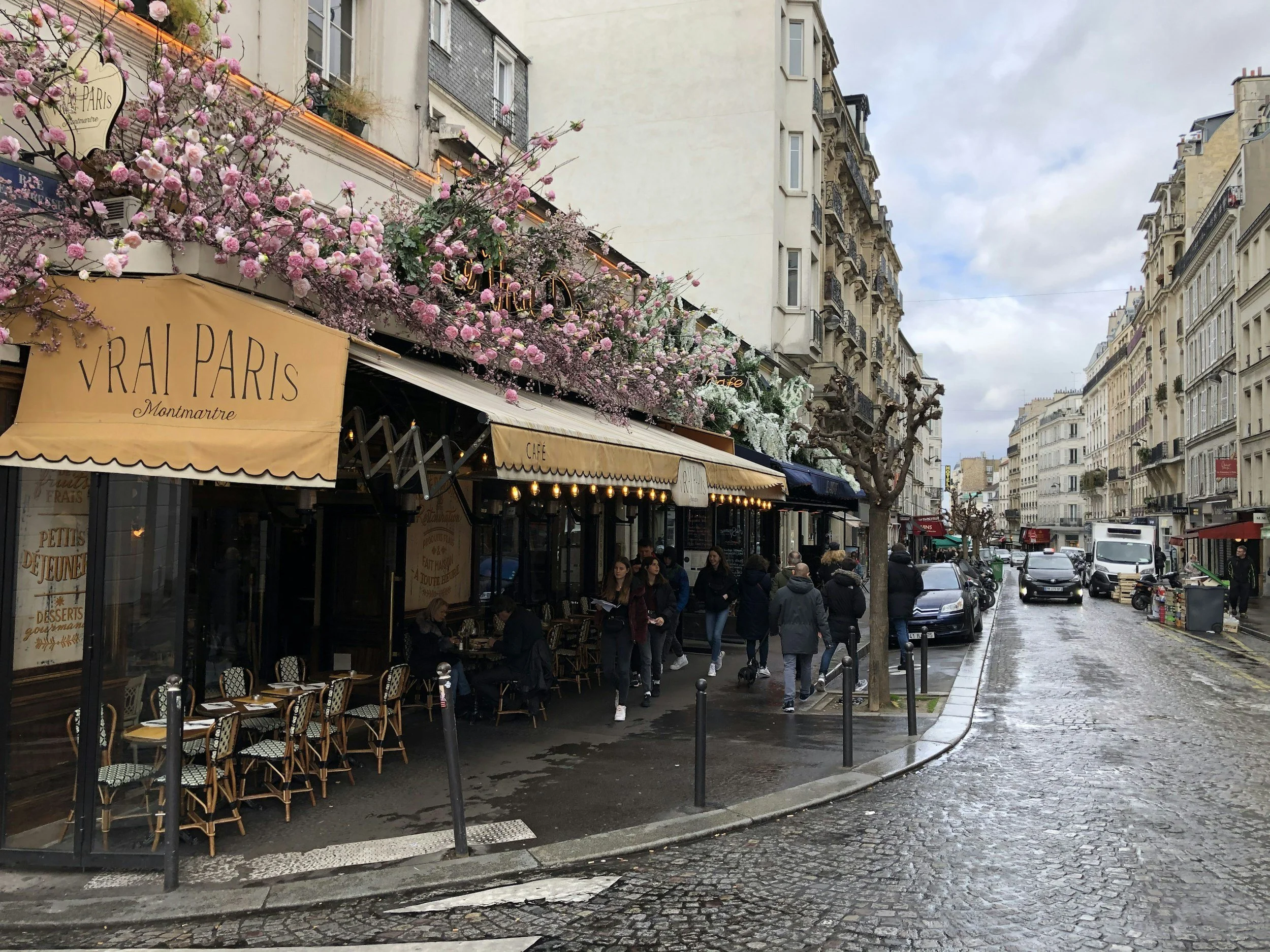
Is Paris Safe for Tourists?
Paris is generally safe for tourists, but you should use the same precautions you would in any large European city. Most visitors spend their trips sightseeing, using public transportation, eating at restaurants, and walking through the city without any serious safety issues.
The biggest concern for tourists is usually petty theft rather than violent crime. Pickpockets often operate in crowded areas where travelers are distracted, including around the Eiffel Tower, the Louvre, Montmartre, major train stations, and busy Metro lines.
That doesn't mean you need to spend your trip worrying about crime. It simply means being aware of your belongings and surroundings, particularly when you're in crowded areas.
Paris also has a visible police and security presence around many major tourist attractions, transportation hubs, government buildings, and public spaces. Security checks are common at museums, monuments, and other major attractions.
Is Paris Safe Right Now?
Safety conditions in any major city can change, so it's a good idea to check current travel advisories and local news shortly before your trip.
Demonstrations and strikes are relatively common in France and can occasionally affect transportation or access to certain parts of Paris. Most protests don't directly involve tourists, but large demonstrations can result in road closures, Metro disruptions, or increased police activity.
If a major demonstration is taking place during your visit, avoiding the immediate area is usually the easiest option. Check official transportation information and current travel advisories if you're concerned about a particular event.
Is Paris Safe at Night?
Paris remains active well into the evening, and many central neighborhoods are busy with restaurants, bars, cafés, theaters, and tourists after dark.
In heavily visited areas, walking around Paris at night is generally part of the normal tourist experience. However, your surroundings can change quickly from one street or Metro station to another, so pay attention to where you're going.
Stick to populated, well-lit streets when possible, particularly if you're unfamiliar with the neighborhood. Avoid walking while staring at your phone, and don't leave your phone or wallet sitting openly on an outdoor café table.
If you're returning to your hotel very late at night and aren't comfortable using public transportation, an official taxi or established rideshare service can be a convenient alternative.
Areas to Be More Cautious in Paris
It's difficult to label entire Paris neighborhoods as simply "safe" or "unsafe." Conditions can vary by street, time of day, and even the immediate area surrounding a train or Metro station.
Instead of completely avoiding large sections of Paris, it makes more sense to know where tourists should use additional awareness.
Gare du Nord and Gare de l'Est
Gare du Nord and Gare de l'Est are two major transportation hubs in northern Paris. Thousands of travelers pass through these stations every day, and they're important for both local and international transportation.
As with many major train stations, the large crowds and constant movement can create opportunities for pickpocketing and other petty theft. Keep your luggage close, secure your phone and wallet, and pay attention when purchasing tickets or navigating the station.
The surrounding streets can also feel different late at night than they do during the day. If you're arriving very late with luggage, you may be more comfortable taking a taxi or rideshare directly to your hotel.
La Chapelle and Porte de la Chapelle
Areas around La Chapelle and Porte de la Chapelle in northern Paris aren't major tourist destinations, and some travelers may feel less comfortable exploring these areas at night.
If your hotel isn't located here and you don't have a specific reason to visit, there's generally little reason to add these neighborhoods to a typical Paris sightseeing itinerary.
Pigalle
Pigalle is known for nightlife and is home to the Moulin Rouge and other entertainment venues. Large numbers of tourists visit the area, particularly in the evening.
As with other nightlife districts, be more aware of your surroundings later at night. Watch your belongings, avoid interactions that make you uncomfortable, and know how you're getting back to your hotel before heading out.
Châtelet-Les Halles
Châtelet-Les Halles is one of Paris's busiest transportation areas and an important connection point for Metro and RER lines.
The large number of people moving through the station can make it a good environment for pickpockets. Keep your belongings secure, particularly on escalators, platforms, and crowded trains.
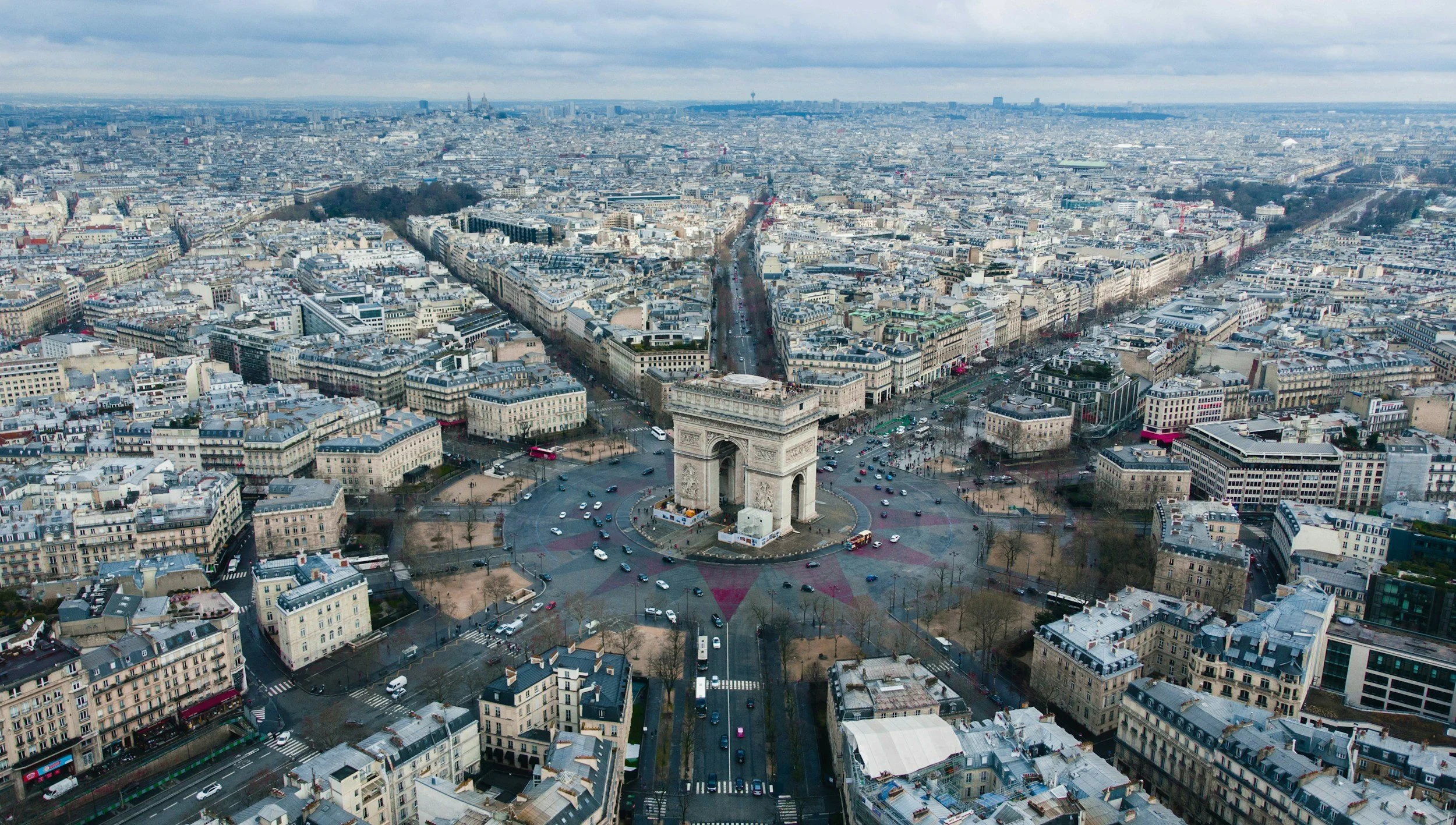
Pickpockets in Paris
Pickpocketing is one of the most important Paris safety concerns for tourists.
Pickpockets generally look for easy opportunities rather than confrontations. Crowded trains, Metro platforms, escalators, queues, major tourist attractions, and busy sidewalks give thieves opportunities to take a phone or wallet without being noticed.
The Eiffel Tower, Louvre area, Champs-Élysées, Montmartre, Sacré-Cœur, major train stations, and crowded Metro lines are places where tourists should pay particular attention to their belongings.
How to Avoid Pickpockets in Paris
Use a bag that closes securely and keep it in front of your body when you're in crowded areas. Crossbody bags can work well because they're more difficult to remove without you noticing.
Don't keep your phone or wallet in an easily accessible back pocket. Front pockets or secure interior compartments are better options.
Be especially aware when someone approaches you unexpectedly, creates a distraction, asks you to sign something, or gets unusually close to you. Distraction is a common part of many tourist scams and theft attempts.
You also don't need to carry everything with you. Leave unnecessary cash, extra credit cards, and other valuables secured at your hotel when possible.
Common Scams in Paris
Paris tourist scams tend to concentrate around major attractions and areas with large numbers of visitors. Knowing what these scams look like makes them much easier to avoid.
Friendship Bracelet Scam
The friendship bracelet scam is commonly associated with heavily visited areas such as Montmartre and Sacré-Cœur.
Someone may approach you and attempt to tie a bracelet or string around your wrist. Once it's attached, they may demand payment.
The easiest response is to keep walking and avoid allowing anyone to put something on your wrist.
Petition and Fake Charity Scams
Someone may approach you asking for a signature or donation for a charity or cause. In some cases, the interaction may simply be designed to distract you while another person targets your belongings.
You don't need to engage. Keep walking and keep your valuables secure.
Distraction Scams
A stranger may attempt to distract you by asking a question, creating a commotion, pointing something out, or offering unsolicited help.
Not every interaction with a stranger is a scam, but be particularly aware of your phone, wallet, and bag whenever someone unexpectedly demands your attention in a crowded tourist area.
Street Games
You may see street games that appear to offer tourists an easy opportunity to win money. These games can involve groups of people working together and aren't worth the risk.
It's better to keep walking rather than stopping to watch or participate.
Is the Paris Metro Safe?
The Paris Metro is one of the easiest ways to get around the city and is used by residents and tourists throughout the day.
For tourists, the primary safety issue on the Paris Metro is pickpocketing. Crowded trains provide opportunities for someone to get close to your bag or pockets without immediately attracting attention.
Keep your phone and wallet secure before entering a crowded train. If you're carrying a backpack, consider moving it in front of you when the train is particularly busy.
Be especially attentive while boarding and exiting trains. Those moments can become crowded quickly, making it easier for someone to take an item without you noticing.
The Metro system can seem complicated when you first arrive, but using a transit app and checking your route before entering the station can make getting around much easier.
Paris Train Station Safety
Paris has several major train stations, including Gare du Nord, Gare de l'Est, Gare de Lyon, Gare Montparnasse, Gare Saint-Lazare, and Gare d'Austerlitz.
These stations handle large numbers of travelers, so keeping track of your luggage is important. Don't leave suitcases unattended, even briefly, and keep smaller bags with valuables close to you.
Be cautious if someone unexpectedly offers to help you purchase a ticket, carry your luggage, or use a ticket machine. If you need assistance, look for an official employee or information desk.
Give yourself enough time to find your platform so you aren't rushing through the station while distracted.
Are Taxis Safe in Paris?
Official Paris taxis are widely used throughout the city.
Look for an official taxi with the appropriate rooftop taxi sign. At airports and major train stations, follow signs to the designated official taxi queue rather than accepting rides from drivers who approach you inside the terminal or station.
Rideshare services such as Uber are also available in Paris. As you would anywhere else, confirm the driver's name, vehicle, and license plate in the app before getting into the car.
Is Paris Safe for Solo Travelers?
Paris is a popular destination for solo travelers, and traveling alone makes it easy to build your itinerary around exactly what you want to see.
The same general Paris safety tips apply when you're traveling alone. Keep valuables secure, pay attention to your surroundings, and know how you're getting back to your accommodation at night.
If you're out late and don't feel comfortable walking or using the Metro alone, use an official taxi or established rideshare service.
It's also a good idea to keep your phone charged throughout the day. You'll probably rely on it for directions, transportation information, reservations, tickets, and communication.
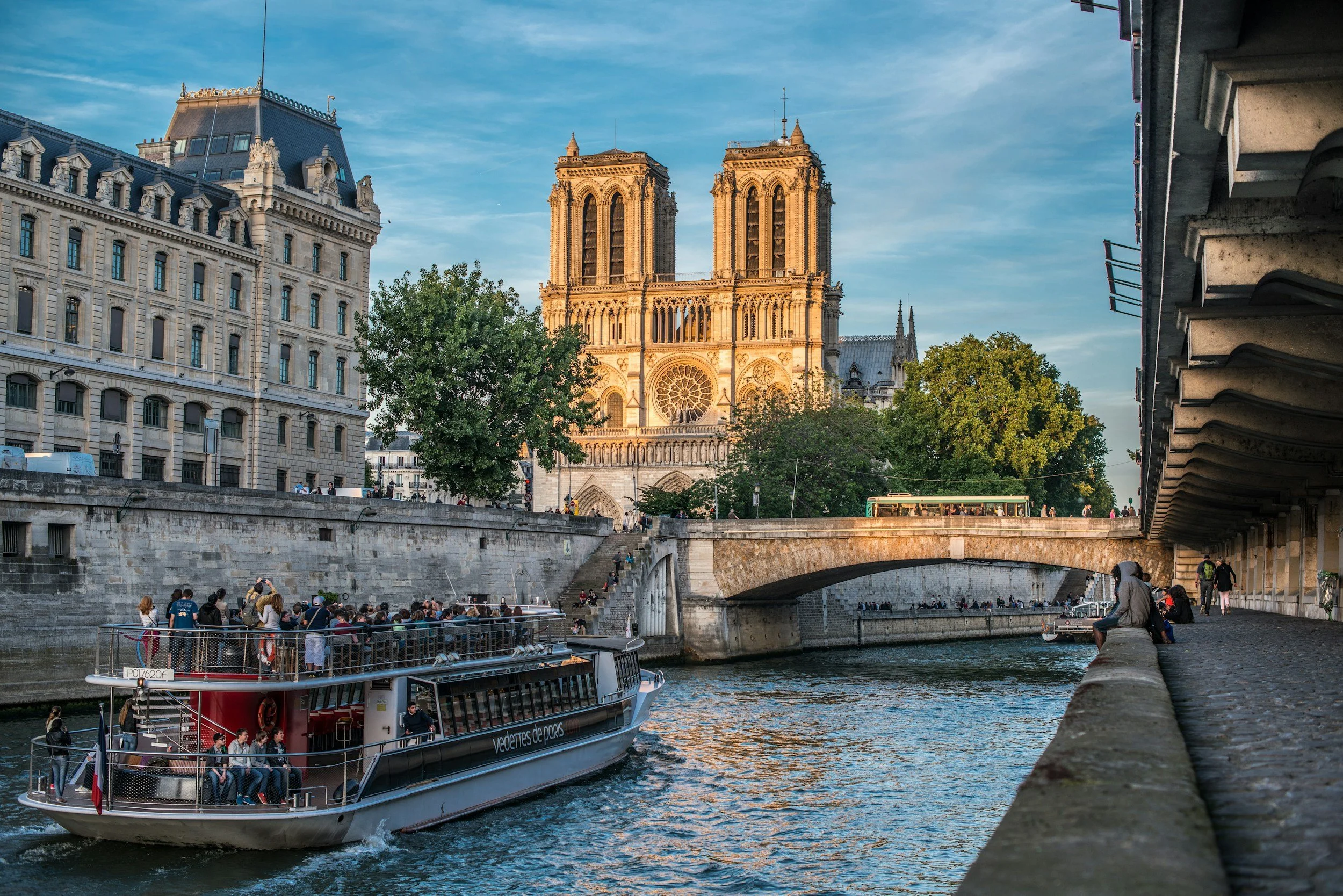
Is Paris Safe for Solo Female Travelers?
Many women visit Paris alone, but solo female travelers may want to take a few additional precautions, particularly at night.
Stay on well-lit and populated streets when possible and avoid walking through unfamiliar areas late at night simply because a navigation app suggests the shortest route.
If someone is making you uncomfortable, don't feel obligated to engage with them. Move toward a populated business, hotel, restaurant, or transportation area.
When using a taxi or rideshare, verify the vehicle information before getting in. If you're staying out late, planning your route back to your hotel before leaving can also make the evening easier.
Is Paris Safe for Families?
Paris is also a popular destination for families with children. Many of the same precautions apply, but crowded attractions and Metro stations require a little more planning when traveling with kids.
Hold younger children's hands in crowded stations and while boarding Metro trains. Doors can close quickly, so make sure everyone in your group is ready to board or exit together.
Keep track of bags, strollers, phones, and other belongings at major attractions. Popular areas around the Eiffel Tower, Louvre, and other landmarks can become extremely crowded.
Parks such as Jardin du Luxembourg can provide a break from busy sightseeing and give children some space away from crowded attractions.
Emergency Numbers in Paris
Knowing the emergency numbers in France is useful before your trip.
For police emergencies, call 17. For urgent medical assistance, call 15, and for the fire department, call 18. The European emergency number 112 can also be used for emergencies.
Save these numbers in your phone before your trip so you don't have to look them up during an emergency.
Travelers may also want to save the contact information for their country's embassy or consulate in France.
What to Do If Your Phone Is Stolen in Paris
Phone theft can create more problems than simply losing the device because your phone may contain access to email, banking apps, travel reservations, tickets, and personal information.
Before traveling, make sure your phone is protected with a passcode and that you know how to remotely locate or disable it. Consider keeping important hotel and transportation information somewhere other than only on your phone.
If your phone is stolen, use another device to secure important accounts and contact your mobile carrier if necessary. You may also need to report the theft to local police, particularly if you need documentation for travel insurance.
Keeping your phone in a secure pocket or zipped bag when you aren't using it is one of the easiest ways to reduce the risk.
What to Do If Your Passport Is Lost or Stolen in Paris
Your passport is one of the most important items you'll carry while traveling internationally.
Keep it somewhere secure and avoid repeatedly taking it out in crowded public places unless you need it. Depending on your plans and identification requirements, you may not need to carry your passport everywhere you go.
It's a good idea to keep a digital copy of your passport information page stored separately from the original.
If your passport is lost or stolen, contact your country's embassy or consulate for instructions on obtaining replacement travel documents. A police report may also be required depending on the circumstances.
Health and Medical Care in Paris
Paris has pharmacies throughout the city, and pharmacists can often help with minor health concerns and over-the-counter medications.
French pharmacies are easy to identify by the illuminated green cross commonly displayed outside.
For more serious medical needs, Paris has public and private hospitals. Travelers should check their health insurance coverage before leaving home because international medical coverage varies considerably between policies.
Travel insurance that includes emergency medical coverage can provide additional protection, particularly if your normal health insurance doesn't cover treatment outside your home country.
For a medical emergency in France, call 15 or 112.
Staying Safe in Paris During Summer
Summer is one of the busiest times to visit Paris. Large crowds around major attractions, Metro stations, and shopping districts can make pickpocketing easier.
Keep your valuables secure in crowded areas and avoid placing your phone on outdoor café tables where someone could quickly grab it.
Hot weather can also become a concern, particularly if you're walking around the city all day. Carry water, use sunscreen, and take breaks indoors when necessary.
If you're visiting during a period of unusually high temperatures, check local weather alerts and adjust your sightseeing plans accordingly.
Staying Safe in Paris During Winter
Winter brings different considerations. Rain, cold temperatures, and occasional ice can make sidewalks slippery, so comfortable shoes with good traction are useful.
The holiday season can also bring large crowds to shopping districts, Christmas markets, and major attractions. Keep your belongings secure in these busy areas just as you would during the peak summer season.
Paris gets dark relatively early during winter, but that doesn't mean you need to stop sightseeing. Central areas remain active into the evening. Pay attention to your surroundings and stick to populated streets if you're walking after dark.
Safety During Protests and Demonstrations in Paris
France is known for demonstrations and strikes, and travelers may occasionally encounter one while visiting Paris.
Demonstrations can affect streets, public transportation, and access to attractions. Even if a protest is peaceful, large crowds and transportation disruptions can make sightseeing difficult.
If you encounter a large demonstration, avoiding the immediate area is usually the easiest approach. Don't attempt to walk through police lines or large crowds simply to reach an attraction.
Check current local news and transportation information if demonstrations are expected during your visit.
Paris Safety Tips for Tourists
You don't need to drastically change the way you travel to stay safe in Paris. A few simple habits can reduce many of the most common problems tourists experience.
Keep your phone and wallet in secure pockets or a zipped bag. Pay extra attention in crowded Metro stations, trains, tourist attractions, and queues. Don't leave your phone sitting on a restaurant or café table near the sidewalk.
Avoid carrying large amounts of cash, and keep a backup credit card somewhere separate from your main wallet. If someone unexpectedly approaches you with a petition, bracelet, street game, or other unsolicited interaction, you can simply keep walking.
Plan your route before leaving your hotel, particularly if you'll be returning late at night. Keeping your phone charged and carrying a portable charger can also make navigating Paris much easier.
Most importantly, pay attention to what's happening around you without letting safety concerns take over your trip.
Useful Apps for Visiting Paris
Having the right apps on your phone can make getting around Paris considerably easier.
Google Maps and Citymapper can help with walking directions and public transportation. Official Paris transportation apps can provide service information, route planning, and updates about delays or closures.
Rideshare apps can be useful when you don't want to take public transportation, particularly late at night.
It's also useful to download offline maps before your trip. If your cellular service stops working or you temporarily lose data, you'll still be able to navigate back to your hotel.
Frequently Asked Questions About Safety in Paris
Is Paris Safe to Visit?
Paris is generally safe for tourists, particularly in the central areas most visitors spend their time. Pickpocketing and tourist scams are more common concerns than serious crime for most visitors.
Use normal precautions, keep valuables secure, and remain aware of your surroundings in crowded places.
Is Paris Safe for Americans?
American tourists regularly visit Paris, and the general safety advice is the same regardless of nationality. Keep your belongings secure, understand common tourist scams, and pay attention in crowded areas and on public transportation.
Before traveling internationally, U.S. citizens should also review current official travel information and make sure they understand passport and entry requirements.
Is Paris Safe at Night?
Many central areas of Paris remain busy after dark and are filled with restaurants, cafés, bars, theaters, and tourists.
Use more caution on quiet streets and around unfamiliar transportation hubs late at night. If you're uncomfortable with an area, take an official taxi or rideshare rather than continuing on foot.
Is the Eiffel Tower Area Safe?
The Eiffel Tower is one of the busiest tourist areas in Paris. The main concern for visitors is usually pickpocketing and tourist scams rather than avoiding the area itself.
Keep your phone, wallet, and bag secure, particularly when crowds are heavy.
Is the Paris Metro Safe for Tourists?
Yes, the Paris Metro is widely used by tourists and residents. Pickpocketing is the main issue visitors should be aware of, particularly on crowded trains and platforms.
Keep bags closed, don't leave valuables in back pockets, and pay attention while boarding and exiting trains.
What Are the Most Common Scams in Paris?
Common tourist scams can include friendship bracelets, petitions or fake charity requests, distraction techniques, and street games.
You don't need to engage with strangers who approach you with unsolicited offers or requests. Keep moving and keep your belongings secure.
Is It Safe to Walk Around Paris?
Walking is one of the best ways to explore Paris, and tourists routinely walk between major attractions and neighborhoods throughout the day.
As in any large city, use more awareness after dark, stay on populated streets, and pay attention to your surroundings instead of focusing entirely on your phone.
Should I Carry My Passport Around Paris?
You should have appropriate identification available when required, but carrying your original passport everywhere can also create problems if your bag is lost or stolen.
Before your trip, check current identification requirements for your circumstances and keep a digital copy of your passport stored separately from the original.
So, Is Paris Safe?
For most tourists, Paris is a safe destination when normal big-city precautions are taken. The main issues visitors should prepare for are pickpocketing, phone theft, tourist scams, and keeping track of belongings in crowded areas.
You don't need to avoid the Metro, major attractions, or exploring Paris on foot. Instead, keep your valuables secure, know the common scams, pay attention in busy transportation areas, and use extra awareness when you're out late at night.
A little preparation goes a long way. Once you understand the main Paris safety concerns, you can spend less time worrying about what could happen and more time enjoying the museums, neighborhoods, cafés, landmarks, and everything else you came to Paris to see.