Is Luxembourg Worth Visiting? Things to Do & Travel Guide
Is Luxembourg worth visiting? For many travelers, the answer is yes. Luxembourg is one of the smallest countries in Europe, but it combines a historic capital city, medieval castles, hiking trails, small towns, museums, wine country, and one of the easiest public transportation systems in Europe.
Luxembourg is particularly easy to add to a larger European vacation because it sits between Belgium, France, and Germany. You can spend one day exploring Luxembourg City, stay for a weekend, or use several days to visit castles, hiking areas, and towns around the country.
One of the biggest advantages of visiting Luxembourg is its size. The entire country covers about 2,586 square kilometers, so distances between many of the top places to visit in Luxembourg are relatively short. Public transportation is also free throughout the country, making it possible to explore without renting a car.
If you're wondering whether Luxembourg is worth adding to your Europe itinerary, here's what to know about Luxembourg City, the best things to do in Luxembourg, castles, hiking, food, transportation, and how long you should stay.
Where Is Luxembourg?
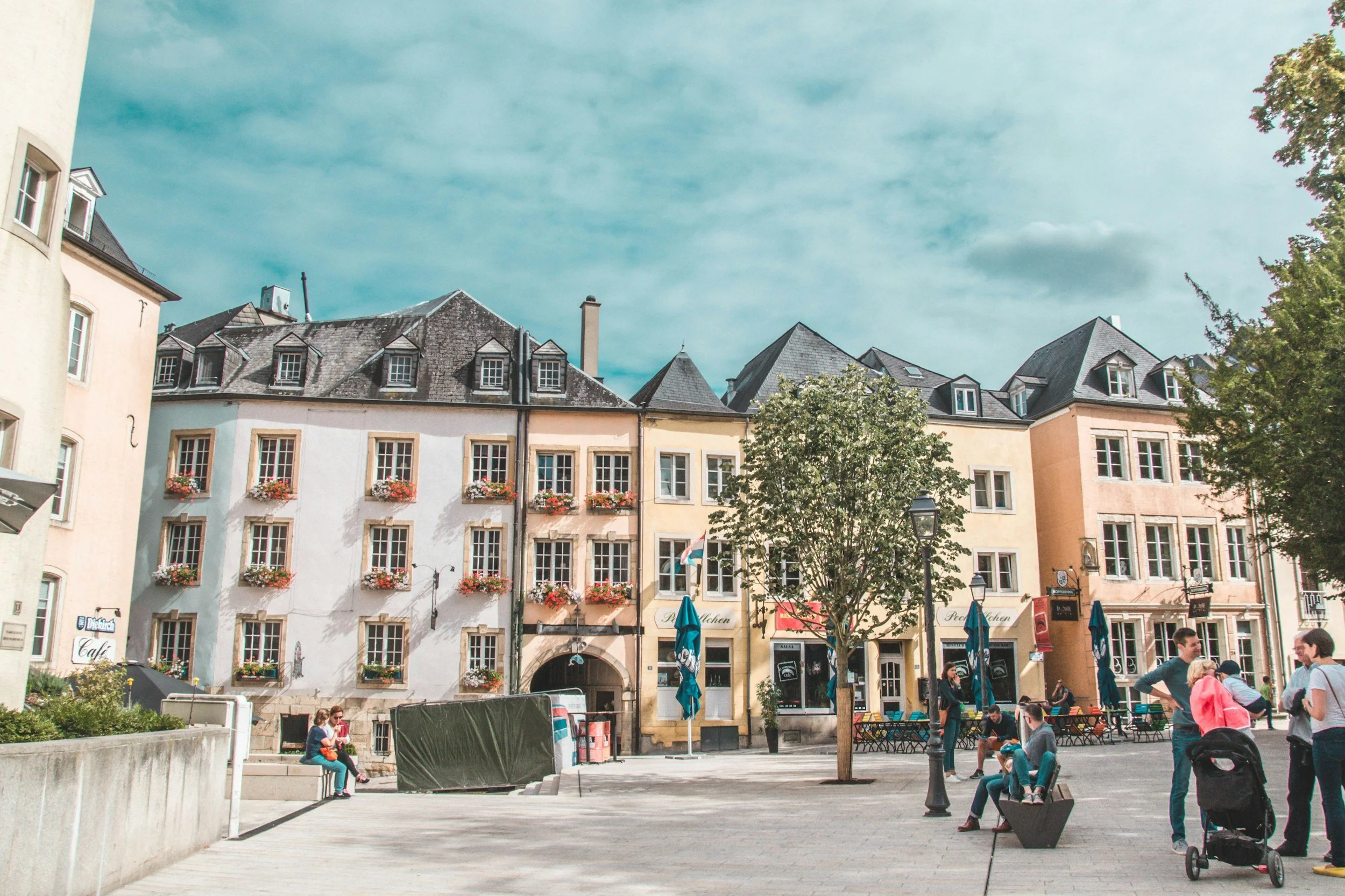
Luxembourg is a small landlocked country in Western Europe bordered by Belgium, Germany, and France. Its location makes it relatively easy to combine with trips through neighboring countries.
Luxembourg City is the country's capital and largest city. Outside the capital, the landscape changes quickly to forests, river valleys, vineyards, small towns, castles, and hiking areas.
Northern Luxembourg is part of the Ardennes region, where you'll find rolling hills, forests, and several historic castles. Eastern Luxembourg includes the Mullerthal region, commonly called Luxembourg's Little Switzerland because of its forests and rock formations. The Moselle Valley runs along the southeastern border with Germany and is known for vineyards and wine production.
Despite its small size, these regions give travelers several different experiences within relatively short distances.
What Is Luxembourg City Like?
Luxembourg City is unusual because it is built across plateaus, cliffs, and deep river valleys. The historic Upper City sits above the Alzette and Pétrusse valleys, creating dramatic changes in elevation between different parts of the city.
Much of the historic center can be explored on foot. The Upper City contains places such as the Grand Ducal Palace, Place Guillaume II, Place d'Armes, and Notre-Dame Cathedral. From here, streets and walking paths lead toward overlooks above the lower neighborhoods.
The Grund sits below the historic center along the Alzette River. This lower part of Luxembourg City has historic buildings, restaurants, walking paths, and views of the fortifications above.
The city's geography is one of the things that makes Luxembourg City different from many other European capitals. Historic buildings and fortifications sit alongside modern offices and European institutions, while bridges connect areas separated by steep valleys.
Luxembourg City is relatively compact, but the elevation changes can make some walks more demanding than they appear on a map. Elevators and public transportation make it easier to move between the upper and lower sections of the city.
Why Visit Luxembourg?
Luxembourg works particularly well for travelers who enjoy European history, castles, walkable cities, hiking, and smaller destinations that don't require a full week to explore.
The country has a long history shaped partly by its location between larger European powers. Luxembourg City's Old Quarters and Fortifications are recognized as a UNESCO World Heritage Site, reflecting the strategic importance of the city's historic defenses.
Luxembourg also offers a mix of cultures influenced by its neighbors while maintaining its own national identity. Luxembourgish, French, and German all play important roles in the country, and English is also widely encountered, particularly in Luxembourg City and tourist areas.
Another major reason to visit is how easy it is to get around. Luxembourg introduced free nationwide public transportation in 2020, covering standard-class travel on buses, trams, and trains within the country.
Best Things to Do in Luxembourg City
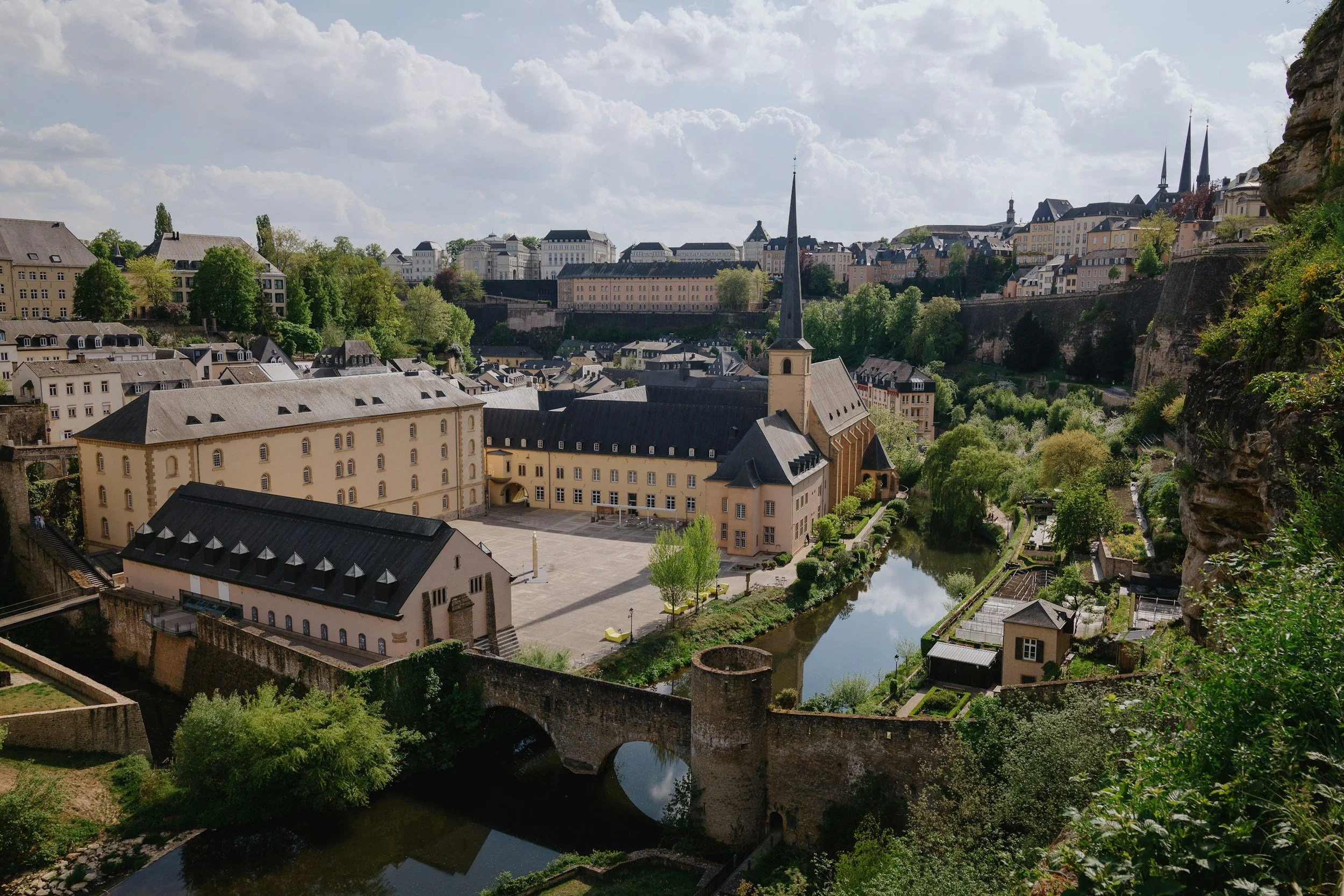
If you're visiting Luxembourg for the first time, you'll probably spend at least one day in Luxembourg City. The capital contains many of the country's most important historic attractions and can be explored relatively easily on foot and by public transportation.
Explore Luxembourg City's Old Town
Start in the historic center, where you'll find pedestrian streets, plazas, cafés, shops, and many of Luxembourg City's major attractions. Place d'Armes and Place Guillaume II are good reference points for exploring the center.
The city's historic fortifications are visible throughout the area, and several overlooks provide views into the valleys below.
Because Luxembourg City is relatively compact, it's easy to walk between many of its major historic sites in a single day.
Visit the Grand Ducal Palace
The Grand Ducal Palace is one of the most recognizable landmarks in Luxembourg City and serves as the official city residence of the Grand Duke.
The building's façade makes it a popular stop while walking through the historic center. Interior access is generally limited to guided tours during a seasonal opening period, so check availability if you want to see inside.
Even when tours aren't operating, the palace is worth seeing as part of a walk through Luxembourg City's Old Town.
Explore the Bock Casemates
The Bock Casemates are among the most interesting historical attractions in Luxembourg City. These underground defensive passages were built into the rock beneath the city's former fortifications.
Luxembourg was once one of Europe's most heavily fortified cities, and the casemates provide a closer look at that military history.
The Bock area also has some of the best views across the Alzette Valley and toward the historic neighborhoods below.
Walk Through the Grund
The Grund is one of Luxembourg City's most recognizable neighborhoods. Located below the Upper City along the Alzette River, it feels noticeably different from the streets above.
Historic buildings, stone bridges, walking paths, and the surrounding cliffs make this a good area to explore at a slower pace.
You can reach the Grund on foot, but elevators also help connect the lower neighborhoods with the city center.
See Notre-Dame Cathedral
Notre-Dame Cathedral is another important stop in central Luxembourg City. Construction began in the early 17th century, and the building combines architectural elements from different periods.
Its central location makes it easy to include while walking between the Grand Ducal Palace, Place Guillaume II, and other Old Town attractions.
Visit the National Museum of Archaeology, History and Art
Travelers interested in Luxembourg's history should consider visiting the National Museum of Archaeology, History and Art in the historic center.
The museum's collections cover archaeology, national history, decorative arts, and fine art, providing more context for many of the places you'll see around the country.
It's also a useful option if you're visiting Luxembourg on a rainy or cold day.
Visit Mudam Luxembourg
Mudam Luxembourg, officially the Musée d'Art Moderne Grand-Duc Jean, focuses on contemporary art and is located in the Kirchberg district.
The museum building was designed by architect I. M. Pei and provides a major contrast to the medieval fortifications and historic architecture found in the Old Town.
Kirchberg is also home to many European Union institutions and modern office buildings, showing another side of Luxembourg City.
Visit Vianden Castle
Vianden Castle is one of the best places to visit in Luxembourg outside the capital.
The large hilltop castle overlooks the town of Vianden in northern Luxembourg and has origins dating back to the medieval period. After falling into decline, the castle underwent extensive restoration and is now one of the country's most recognizable historic landmarks.
Visitors can explore the castle's rooms and learn more about its history while taking in views of the town and surrounding countryside.
Vianden itself is also worth exploring. The town sits along the Our River and has historic streets, restaurants, and walking routes.
Because Luxembourg is small and public transportation is free, Vianden can be visited as a day trip from Luxembourg City.
Hike the Mullerthal Trail
The Mullerthal region is one of the best places to visit in Luxembourg for hiking and outdoor activities.
Often called Luxembourg's Little Switzerland, the region is known for forests, streams, narrow passages, and large sandstone rock formations.
The Mullerthal Trail extends for more than 100 kilometers and is divided into multiple routes. You don't need to complete the entire trail to experience the area, as shorter hikes and individual sections make it accessible to day visitors.
The town of Echternach is a useful base for exploring the region. Located near the German border, Echternach is also the oldest town in Luxembourg and has a historic center that can be combined with a hiking trip.
Explore Luxembourg's Ardennes Region
Northern Luxembourg forms part of the Ardennes, a region of forests, hills, valleys, castles, and small towns that extends into neighboring Belgium.
Vianden is one of the best-known destinations in this part of the country, but Clervaux is another town worth considering.
Clervaux is known for its castle, which houses The Family of Man, a famous photography exhibition curated by Edward Steichen. The exhibition is listed on UNESCO's Memory of the World Register.
The Ardennes are also a good area for hiking, cycling, and road trips if you're spending more than a day or two in Luxembourg.
Visit the Moselle Valley
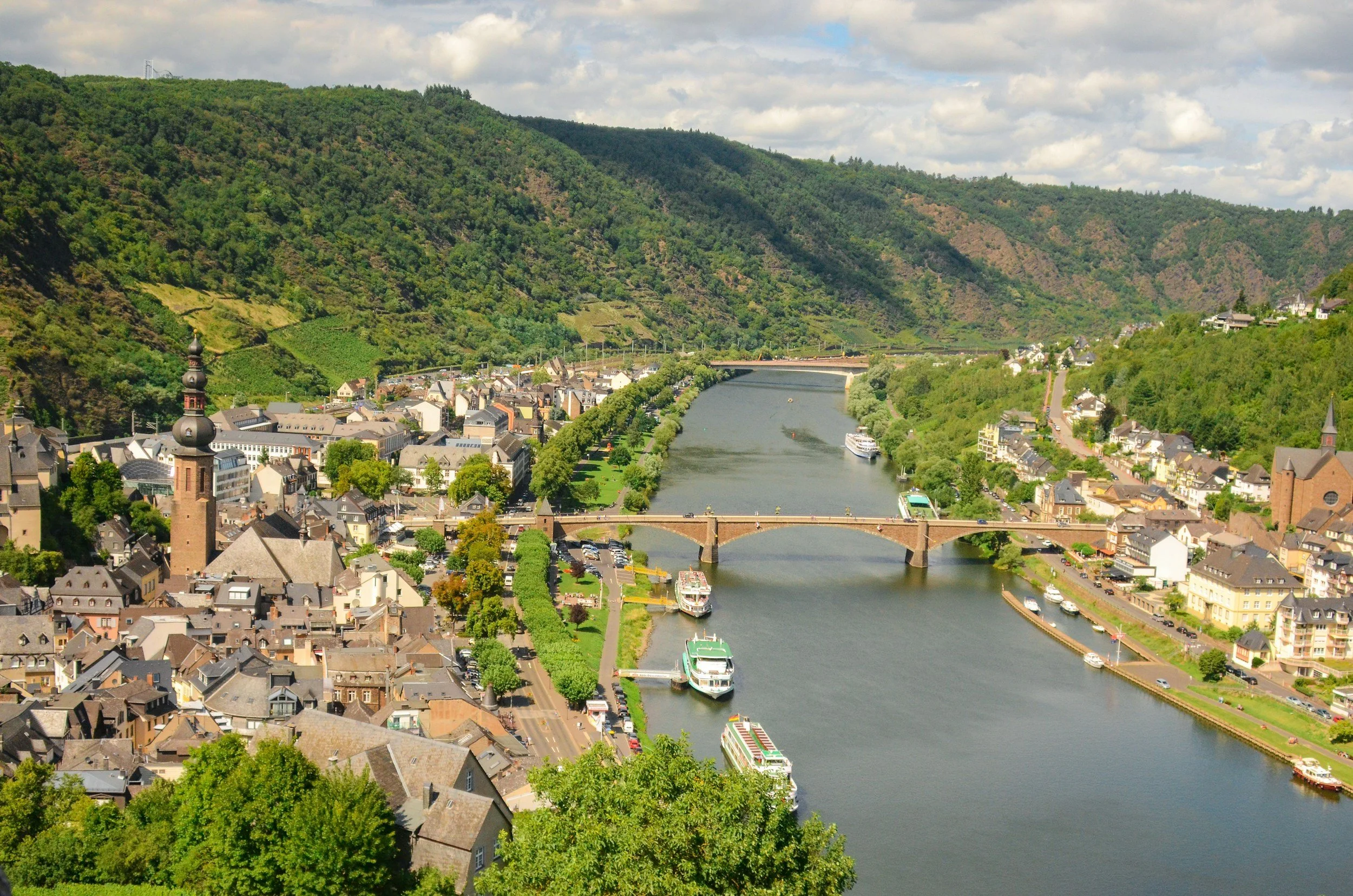
The Moselle River forms part of Luxembourg's border with Germany and runs through one of the country's main wine-producing areas.
The region is known particularly for white wines, including Riesling, Pinot Gris, Auxerrois, and other varieties.
Towns and villages along the Moselle provide a completely different experience from Luxembourg City. Vineyards cover hillsides above the river, and wineries offer tastings and tours.
The Moselle Valley is particularly worth considering if you're visiting Luxembourg for several days and want to see more of the countryside.
Visit Beaufort Castle
Beaufort is another good destination for travelers interested in castles.
The site includes the ruins of a medieval castle as well as a Renaissance château. Its location near the Mullerthal region makes it possible to combine Beaufort with hiking or other stops in eastern Luxembourg.
For travelers planning a Luxembourg road trip, castles such as Vianden and Beaufort can easily become part of a larger itinerary through the country's smaller towns and countryside.
Visit Parc Merveilleux
Families visiting Luxembourg may want to include Parc Merveilleux in Bettembourg.
The family-oriented park combines animal exhibits, playgrounds, gardens, attractions, and fairy-tale-themed areas. It's particularly suited to families with younger children looking for an activity outside Luxembourg City.
Bettembourg is south of the capital and can be reached using Luxembourg's public transportation network.
Luxembourg Food: What to Eat
Luxembourg's food reflects influences from France, Germany, and Belgium while maintaining its own traditional dishes.
Bouneschlupp is a traditional green bean soup typically made with potatoes and other ingredients. Gromperekichelcher are crispy potato pancakes commonly found at fairs, markets, and events.
Another local dish to look for is Judd mat Gaardebounen, made with smoked pork and broad beans.
For dessert, try Quetschentaart, a plum tart traditionally made with damson plums.
Luxembourg's location also means you'll find French-style restaurants, bakeries, German-influenced dishes, international cuisine, and a strong café culture, particularly in Luxembourg City.
Luxembourg Wine
Wine is an important part of Luxembourg's food and drink culture, particularly along the Moselle River.
The Moselle Valley produces a variety of white wines and sparkling Crémant de Luxembourg.
Travelers interested in wine can visit wineries, tasting rooms, and wine villages along the river. Availability varies by producer, so make reservations if a specific winery is important to your trip.
Combining Luxembourg City with a day in the Moselle Valley is a good way to experience both the urban and rural sides of the country.
Shopping and Markets in Luxembourg
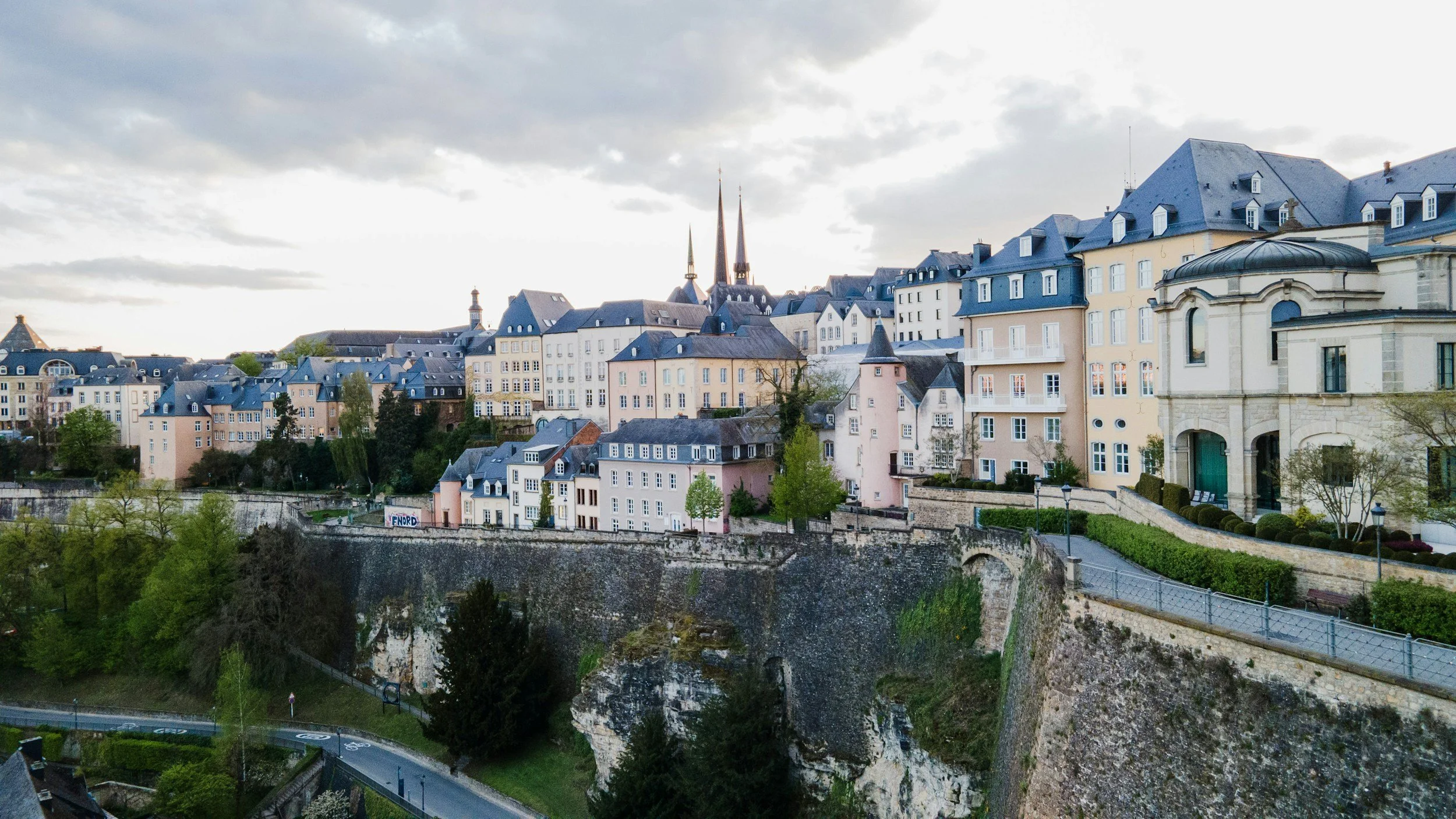
Luxembourg City has a mix of international retailers, local stores, luxury shops, and markets.
The central pedestrian areas are the easiest places to browse while sightseeing. Depending on the day and season, markets around central squares may sell produce, food, flowers, and other goods.
Luxembourg's Christmas markets are particularly popular during the holiday season, when the city center fills with seasonal stalls, lights, food, and drinks.
If shopping isn't a major priority, the central shopping streets are still easy to incorporate into a walking tour of the Old Town.
Festivals and Events in Luxembourg
Luxembourg hosts festivals and events throughout the year.
National Day is celebrated in June and includes events in Luxembourg City and communities around the country.
Schueberfouer is one of Luxembourg's largest traditional fairs. Held in Luxembourg City, the event includes rides, games, food, and entertainment and has a history stretching back centuries.
The Luxembourg City Film Festival is another major cultural event, with screenings and programs focused on international cinema.
During winter, Luxembourg City's Christmas markets transform several areas of the capital with holiday decorations, food stalls, drinks, and gifts.
Checking the local event calendar before your trip is worthwhile because festivals can add another experience to even a short visit.
Is Luxembourg Expensive to Visit?
Luxembourg has a reputation as a wealthy country, and hotel and restaurant prices can be relatively high compared with some other European destinations.
However, one major expense is eliminated almost entirely: public transportation.
Standard public transportation within Luxembourg is free, including buses, trams, and trains. This makes day trips and travel between towns much easier to budget.
You can also control costs by staying outside the most expensive central hotels, eating at casual restaurants or bakeries, and taking advantage of free outdoor attractions, viewpoints, parks, and hiking trails.
Luxembourg may not be one of Europe's cheapest destinations, but it doesn't necessarily have to be an expensive trip.
Is Public Transportation Really Free in Luxembourg?
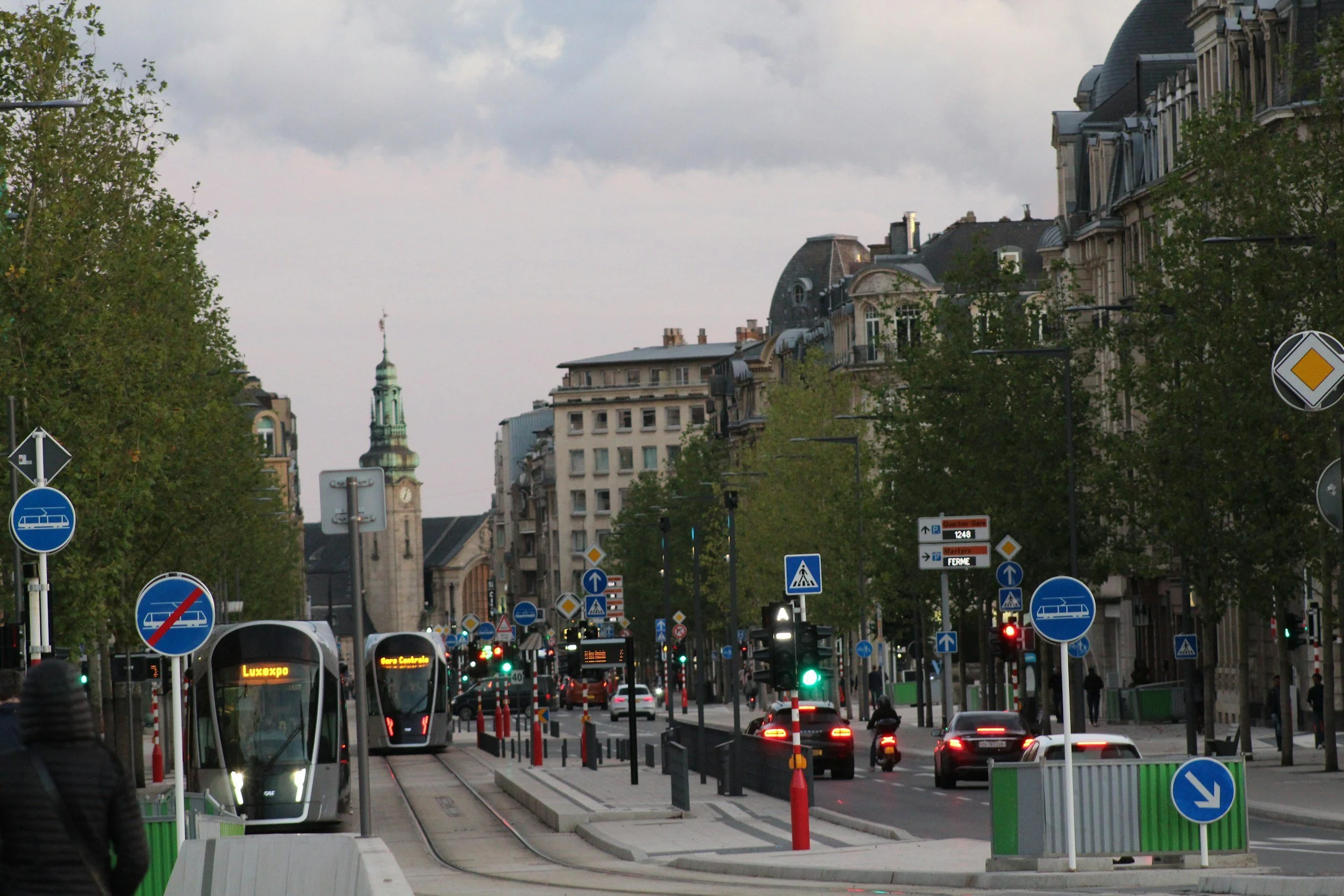
Yes. Luxembourg introduced free nationwide public transportation on February 29, 2020.
Standard-class travel on buses, trams, and trains within Luxembourg is free. This applies to residents and visitors, making Luxembourg particularly easy to explore without a rental car.
You generally don't need a ticket for standard public transportation within the country. However, first-class train travel and journeys that cross Luxembourg's borders may still require tickets.
The free transportation system is especially useful if you're staying in Luxembourg City and want to take day trips to other parts of the country.
Do You Need a Car in Luxembourg?
You don't need a car to visit Luxembourg City, and many destinations around the country can be reached by public transportation.
For a short trip, using trains, buses, and trams can be much easier than renting a car.
A rental car becomes more useful if you're planning to visit several rural locations in one day, follow a specific castle itinerary, or reach trailheads and villages that require multiple public transportation connections.
If you're spending most of your time in Luxembourg City, leave the car behind. Parking in central areas can add unnecessary expense and inconvenience.
Is Luxembourg City Walkable?
Luxembourg City is very walkable, particularly around the historic center.
Major attractions such as the Grand Ducal Palace, Notre-Dame Cathedral, Place Guillaume II, the Bock area, and several viewpoints are relatively close together.
The main consideration is elevation. Luxembourg City is built across cliffs and valleys, so walking between the Upper City, Grund, and other lower neighborhoods can involve steep routes.
Elevators and public transportation make these changes in elevation easier to manage.
Comfortable walking shoes are still one of the most important things to bring.
Best Time to Visit Luxembourg
Luxembourg can be visited throughout the year, but spring and early fall are particularly good for combining city sightseeing with outdoor activities.
From April through June, temperatures become milder and the countryside turns green. This can be a good time for hiking in the Mullerthal region or exploring castles and towns.
September and October bring cooler temperatures and fall colors, particularly in Luxembourg's forested regions.
Summer has long daylight hours and is a good time for festivals, hiking, and outdoor dining, although popular attractions can be busier.
Winter is colder and daylight hours are shorter, but Luxembourg City becomes a popular destination for Christmas markets and holiday events.
The best time to visit Luxembourg ultimately depends on whether your priority is hiking, festivals, sightseeing, wine country, or Christmas markets.
How Many Days Do You Need in Luxembourg?
You can see many of Luxembourg City's major attractions in one full day, making Luxembourg a realistic option for a short stop on a larger European trip.
With two days, you can explore Luxembourg City more thoroughly and add a trip to Vianden Castle or another destination outside the capital.
Three days gives you enough time to combine Luxembourg City with Vianden and either the Mullerthal region, Moselle Valley, or another part of the countryside.
Four or five days allows for a slower trip with hiking, castles, wine country, and smaller towns.
You don't necessarily need a full week to make visiting Luxembourg worthwhile. Its small size is actually one of its advantages for travelers with limited time.
Is One Day in Luxembourg Enough?
One day is enough to get a good introduction to Luxembourg City, but not enough to see much of the country outside the capital.
A one-day Luxembourg itinerary can include the historic center, Grand Ducal Palace, Bock Casemates, major viewpoints, Notre-Dame Cathedral, and the Grund.
If you're visiting Luxembourg as a day trip from another country, focus on Luxembourg City rather than trying to add distant attractions.
If you have two or three days, you'll have a much better opportunity to see why Luxembourg is more than just its capital.
Luxembourg as a Day Trip
Luxembourg City's location and rail connections make it possible to visit as part of a larger European itinerary.
Travelers sometimes visit Luxembourg while traveling through Belgium, France, or Germany. However, travel time should be considered carefully before planning Luxembourg as a day trip from a distant city.
An overnight stay gives you more time to explore without building your entire day around train schedules.
If you're already traveling through the region, Luxembourg can also work well as a stop between other destinations rather than a round-trip day excursion.
Best Day Trips from Luxembourg City
One of the advantages of staying in Luxembourg City is that the country's small size and free public transportation make several destinations accessible as day trips.
Vianden is one of the most popular options because of Vianden Castle and the town's setting along the Our River.
Echternach and the Mullerthal region are better for travelers interested in hiking, rock formations, and outdoor scenery.
Clervaux combines a small town with a castle and The Family of Man photography exhibition.
The Moselle Valley is a good option for wine, river scenery, and smaller communities.
You can also plan a day around multiple destinations, although travel times and connections should be checked in advance.
Languages Spoken in Luxembourg
Luxembourg is a multilingual country.
Luxembourgish, French, and German are all used extensively, although their official legal status and use vary by context. You'll see multiple languages on signs, menus, government information, and in daily life.
English is also commonly spoken in Luxembourg City and in tourism-related businesses.
Most English-speaking travelers can visit Luxembourg without significant communication problems, but learning a few basic phrases in Luxembourgish, French, or German can still be useful.
Is Luxembourg Good for Hiking?
Luxembourg is an underrated hiking destination.
The Mullerthal Trail is the country's best-known long-distance hiking route and covers more than 100 kilometers through forests, valleys, streams, and sandstone formations.
The Ardennes in northern Luxembourg also offer hiking routes through forested hills and river valleys.
Because distances within the country are short, you can combine hiking with historic towns and castles without dedicating your entire vacation to outdoor activities.
Spring, summer, and early fall are generally the most practical seasons for hiking, although trail conditions should always be checked before setting out.
Is Luxembourg Good for Families?
Luxembourg can work well for a family vacation, particularly because transportation is simple and distances are relatively short.
Castles such as Vianden can appeal to children, while hiking trails and parks provide outdoor options.
Parc Merveilleux in Bettembourg is specifically designed for families and includes animals, play areas, and attractions.
Luxembourg City is also relatively manageable for families because many major sights are concentrated in and around the historic center.
The steep terrain in parts of the capital is worth considering if you're traveling with a stroller, although elevators and public transportation can help.
Is Luxembourg Safe for Tourists?
Luxembourg is generally considered a safe destination for tourists. As in other European cities, travelers should still use normal precautions with valuables, particularly in busy transportation areas, events, and tourist locations.
Luxembourg City's compact center and extensive public transportation make it relatively straightforward for visitors to navigate.
Standard travel precautions, such as keeping valuables secure and staying aware of your surroundings, are generally sufficient for most trips.
Hidden Gems in Luxembourg
Many visitors concentrate on Luxembourg City and Vianden, but the country has several other places worth adding if you have more time.
Clervaux combines a castle, a small-town setting, and the internationally recognized Family of Man photography exhibition.
The Mullerthal region provides some of Luxembourg's most distinctive natural scenery, particularly its sandstone rock formations and forest trails.
Echternach is worth exploring alongside the Mullerthal region, while the Moselle Valley offers vineyards and river scenery.
Even within Luxembourg City, the Grund and walking routes along the old fortifications can feel surprisingly quiet compared with the main shopping streets above.
Luxembourg Travel Tips
Take advantage of Luxembourg's free public transportation instead of automatically renting a car. For most visitors staying in Luxembourg City, buses, trains, and trams are enough to reach many major destinations.
Wear comfortable shoes because Luxembourg City's cliffs and valleys create more elevation changes than you might expect. This is especially important if you plan to walk between the Old Town and the Grund.
Book hotels early if you're visiting during major festivals, summer weekends, or the Christmas market season. Luxembourg City has a wide range of accommodations, but central hotels can become expensive during busy periods.
If you're planning to hike or visit castles outside the capital, check seasonal opening hours and transportation schedules before leaving.
Frequently Asked Questions About Visiting Luxembourg
Is Luxembourg Worth Visiting?
Yes, Luxembourg is worth visiting if you're interested in historic cities, castles, hiking, European history, small towns, and easy public transportation. It's particularly convenient for travelers already visiting Belgium, France, Germany, or other parts of Western Europe.
Is Luxembourg City Worth Visiting?
Luxembourg City is worth visiting for its UNESCO-listed historic fortifications, unusual cliffside setting, Grand Ducal Palace, Bock Casemates, museums, viewpoints, and the Grund.
It's compact enough to explore during a short visit but has enough attractions for a full day or weekend.
How Many Days Should You Spend in Luxembourg?
One day is enough for the highlights of Luxembourg City. Two or three days allows you to add destinations such as Vianden, Mullerthal, Echternach, Clervaux, or the Moselle Valley.
Is Luxembourg Expensive?
Luxembourg can be expensive for hotels and restaurants, but free nationwide public transportation helps reduce travel costs significantly.
Is Luxembourg Easy to Get Around?
Yes. Luxembourg has trains, buses, and trams connecting cities and towns throughout the country, and standard public transportation is free.
What Is Luxembourg Famous For?
Luxembourg is known for its historic fortifications, castles, international financial sector, European institutions, multilingual culture, free public transportation, and high standard of living.
For travelers, Luxembourg City, Vianden Castle, the Mullerthal region, and the Moselle Valley are among its best-known destinations.
Is Luxembourg Good for a Weekend Trip?
Yes. Luxembourg works particularly well as a weekend destination because you can explore much of Luxembourg City and still have time for a day trip.
A two- or three-night stay is enough to experience both the capital and at least one area outside the city.
Can You Visit Luxembourg Without a Car?
Yes. Luxembourg is one of the easiest European countries to visit without a car because of its extensive free public transportation system.
A car may make some rural itineraries faster, but it isn't necessary for most first-time visitors.
Is Luxembourg Worth Adding to a Europe Trip?
Luxembourg can be easy to overlook when planning a European vacation because it sits between much larger and more frequently visited countries. However, its small size is one of the reasons it works so well as an additional stop.
You can explore the historic streets and fortifications of Luxembourg City, visit Vianden Castle, hike through the Mullerthal region, see the forests and towns of the Ardennes, or spend a day among vineyards along the Moselle River without traveling long distances across the country.
Free nationwide public transportation also makes Luxembourg unusually easy to explore. You can stay in the capital and use trains and buses to reach several of the country's other attractions without renting a car.
For travelers already visiting France, Belgium, Germany, or the surrounding region, Luxembourg can be an easy addition to a larger European itinerary. Even a day gives you enough time to see the highlights of Luxembourg City, while two or three days opens up much more of the country.
Luxembourg may be small, but there's enough history, food, scenery, castles, and outdoor activities to make it worth considering for your next trip to Europe.