2 Week Europe Itinerary: How to Plan the Perfect 14-Day Trip
Planning a 2 week Europe itinerary can feel overwhelming when there are so many countries, cities, and famous attractions to choose from. Fourteen days gives you enough time to experience several destinations, but the key to a good Europe itinerary is choosing cities that connect easily rather than trying to see as many countries as possible.
A well-planned two weeks in Europe can include major cities such as Paris, Amsterdam, Barcelona, and Rome along with smaller destinations and day trips. You can visit world-famous museums, historic landmarks, local neighborhoods, beaches, castles, markets, and restaurants without spending your entire vacation moving between hotels.
For a first trip to Europe, a good rule is to choose three or four main destinations for a 14-day itinerary. Spending three or four nights in each place gives you enough time to see the major attractions while leaving room for day trips, meals, and exploring without a strict schedule.
Whether you're planning your first Europe trip, a two-week honeymoon in Europe, a family vacation, or a multi-country European itinerary, this guide covers how to choose destinations, the best 2 week Europe itinerary ideas, transportation, costs, accommodations, food, packing, and other practical travel tips.
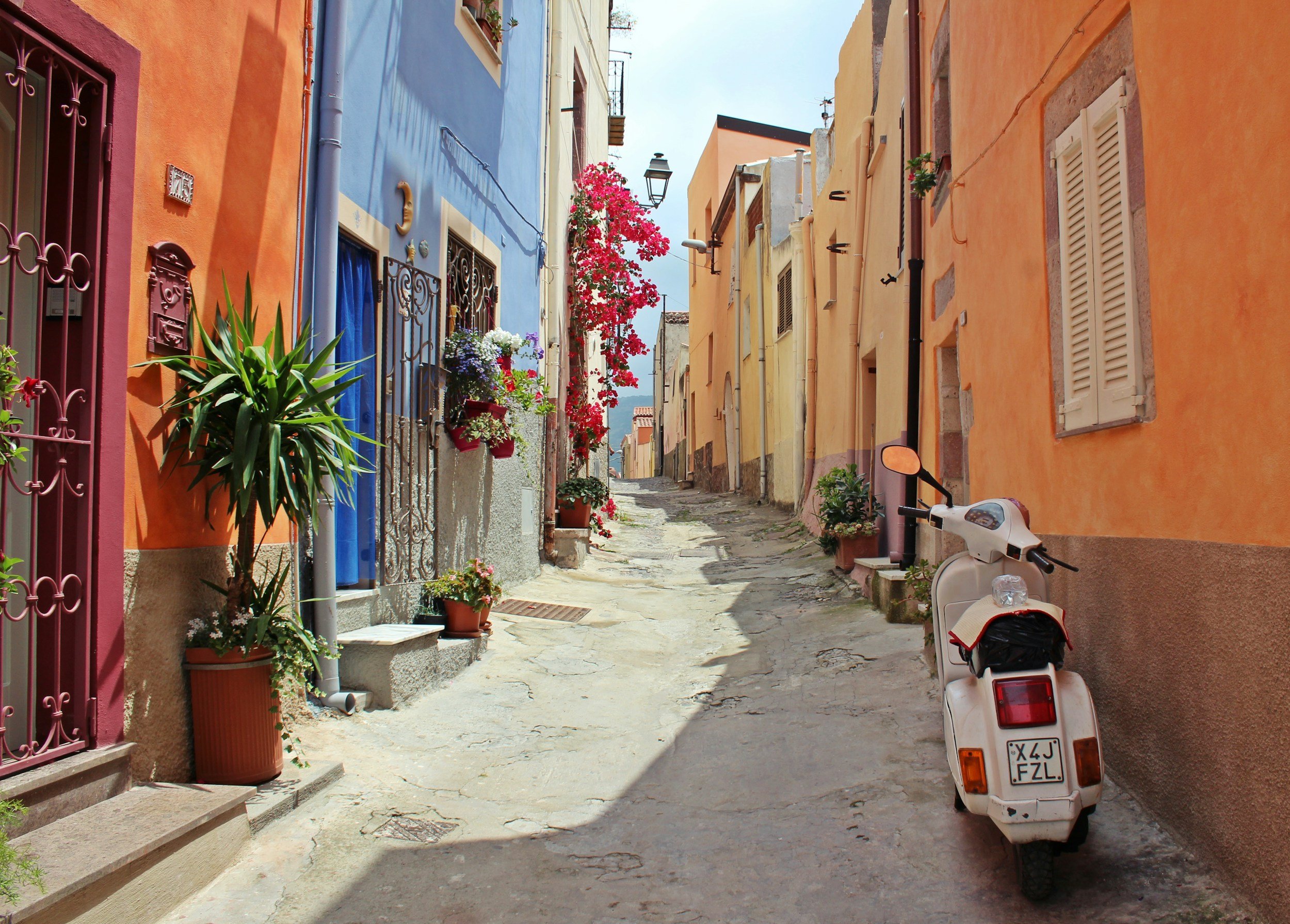
How Many Countries Can You Visit in Europe in 2 Weeks?
Technically, you could visit many European countries in two weeks. That doesn't necessarily mean you should.
For most travelers, three or four countries is a comfortable maximum for a two-week Europe trip. You may want to visit fewer countries if you're exploring larger destinations such as Italy, France, Spain, or the United Kingdom, where you can easily spend the entire two weeks without crossing a border.
Every travel day takes time away from sightseeing. Checking out of a hotel, reaching a train station or airport, traveling, finding your next hotel, and checking in can consume a significant part of the day even when two cities look relatively close on a map.
Instead of counting countries, think about the number of hotel changes. Three or four main bases during a 14-day Europe itinerary usually creates a much more comfortable trip than changing hotels every night or two.
How to Plan a 2 Week Europe Itinerary
Start by choosing one or two places that are most important to you. From there, look for nearby cities that can be reached relatively easily by train or a short flight.
For example, London and Paris pair naturally because they are connected by Eurostar. Paris can then be combined with Amsterdam by train. Rome can be paired with Florence and Venice to create an entirely train-based Italy itinerary.
Avoid creating a route that repeatedly crosses the continent. A trip from London to Paris to Rome to Amsterdam to Barcelona may include great cities, but the geographic order creates unnecessary travel.
A better Europe itinerary generally moves in one direction and groups destinations within the same region.
Best 2 Week Europe Itinerary for First-Time Visitors
For a first trip to Europe, one of the easiest itineraries combines London, Paris, and Amsterdam.
Days 1-4: London, England
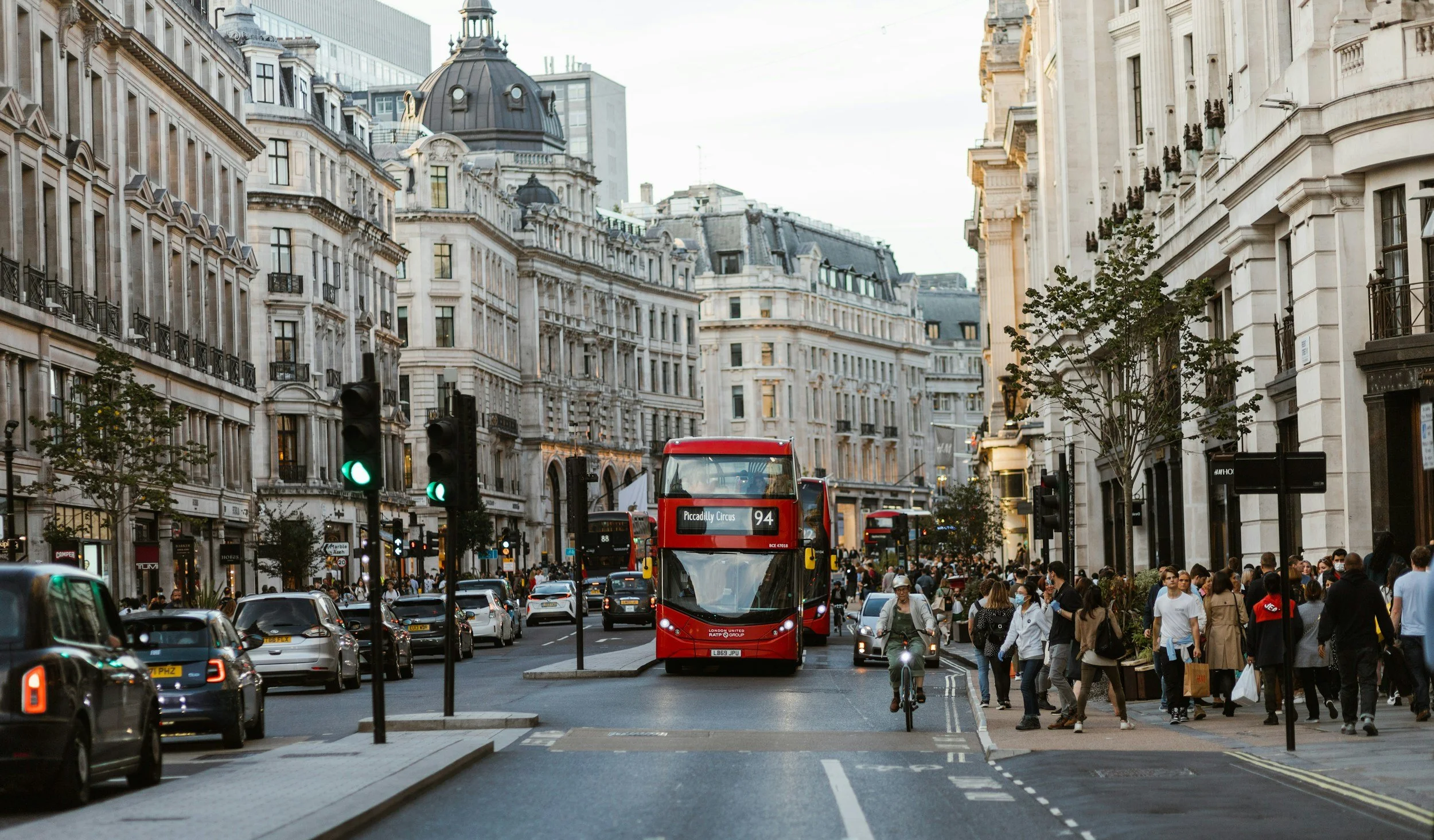
Spend your first four days exploring London. Major attractions include Buckingham Palace, Westminster Abbey, Big Ben, the Houses of Parliament, Tower Bridge, the Tower of London, and the British Museum.
London's neighborhoods are also a major part of the experience. Explore Covent Garden, Soho, Notting Hill, South Bank, and the areas surrounding the city's major parks.
In the evening, consider seeing a musical or play in London's West End. Productions such as The Lion King and Les Misérables have been long-running parts of London's theater scene.
Four days gives you enough time for the major sights without trying to fit the entire city into one or two days.
Days 5-8: Paris, France

Take the Eurostar from London to Paris and spend four nights in the French capital.
Your Paris itinerary can include the Eiffel Tower, Louvre Museum, Musée d'Orsay, Notre-Dame Cathedral, Arc de Triomphe, Champs-Élysées, and a walk along the Seine.
Make time for neighborhoods as well. Montmartre, Le Marais, Saint-Germain-des-Prés, and the Latin Quarter each provide a different view of Paris beyond its major landmarks.
Four days also leaves time to enjoy cafés, bakeries, markets, and restaurants without turning every day into a checklist of attractions.
If you want a day trip, Versailles is one of the easiest additions to a Paris itinerary.
Days 9-12: Amsterdam, Netherlands
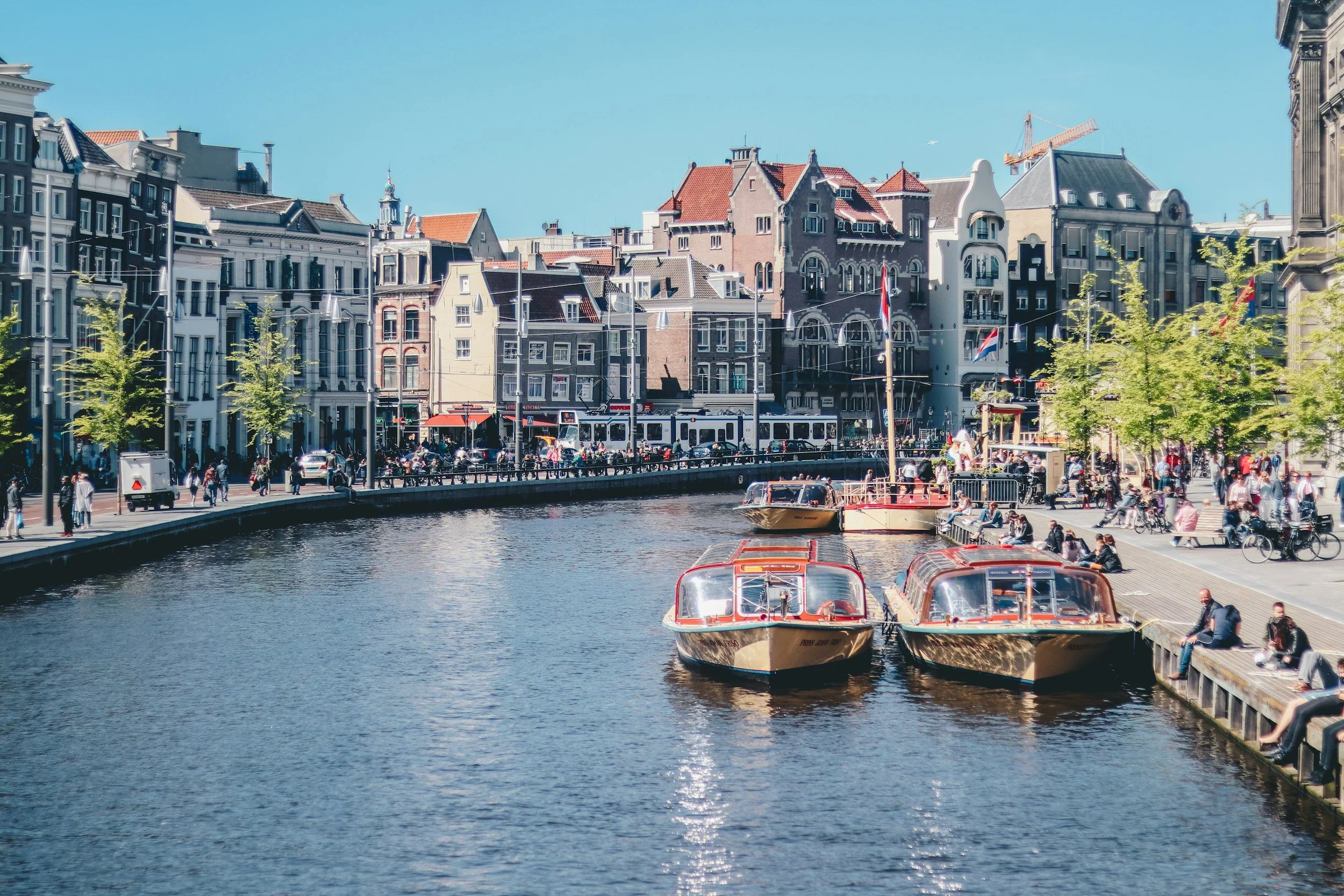
Travel from Paris to Amsterdam by train and spend the next four nights exploring the Netherlands' capital.
Amsterdam is known for its canals, narrow historic buildings, cycling culture, museums, and compact city center. Major attractions include the Rijksmuseum, Van Gogh Museum, Anne Frank House, and the city's canal district.
A canal cruise is an easy way to understand how Amsterdam is laid out while seeing the historic center from the water.
You can also use Amsterdam as a base for day trips to destinations such as Haarlem, Utrecht, Zaanse Schans, or other towns in the Netherlands.
Days 13-14: Final Day and Departure
Use the end of your trip for another full day in Amsterdam or adjust the itinerary so your final night is positioned around your return flight.
Leaving some flexibility at the end is helpful, particularly if you're flying home from a different city than where you arrived.
An open-jaw airline ticket, where you fly into London and home from Amsterdam, prevents you from wasting a day returning to your starting point.
2 Week Europe Itinerary: Paris, Amsterdam and Rome
If Paris, Amsterdam, and Rome are at the top of your Europe bucket list, you can combine all three into one 14-day itinerary.
Spend approximately four days in Paris, three or four days in Amsterdam, and four days in Rome, using the remaining time for travel.
Paris and Amsterdam are well connected by train. Amsterdam to Rome is a much longer journey, so flying generally makes more sense if you're trying to maximize your two weeks in Europe.
In Rome, focus on the Colosseum, Roman Forum, Pantheon, Trevi Fountain, Spanish Steps, Piazza Navona, Vatican Museums, Sistine Chapel, and St. Peter's Basilica.
This itinerary covers three major European capitals and provides a mix of French culture, Dutch canals and museums, and ancient Roman history.
2 Week Europe Itinerary: Italy
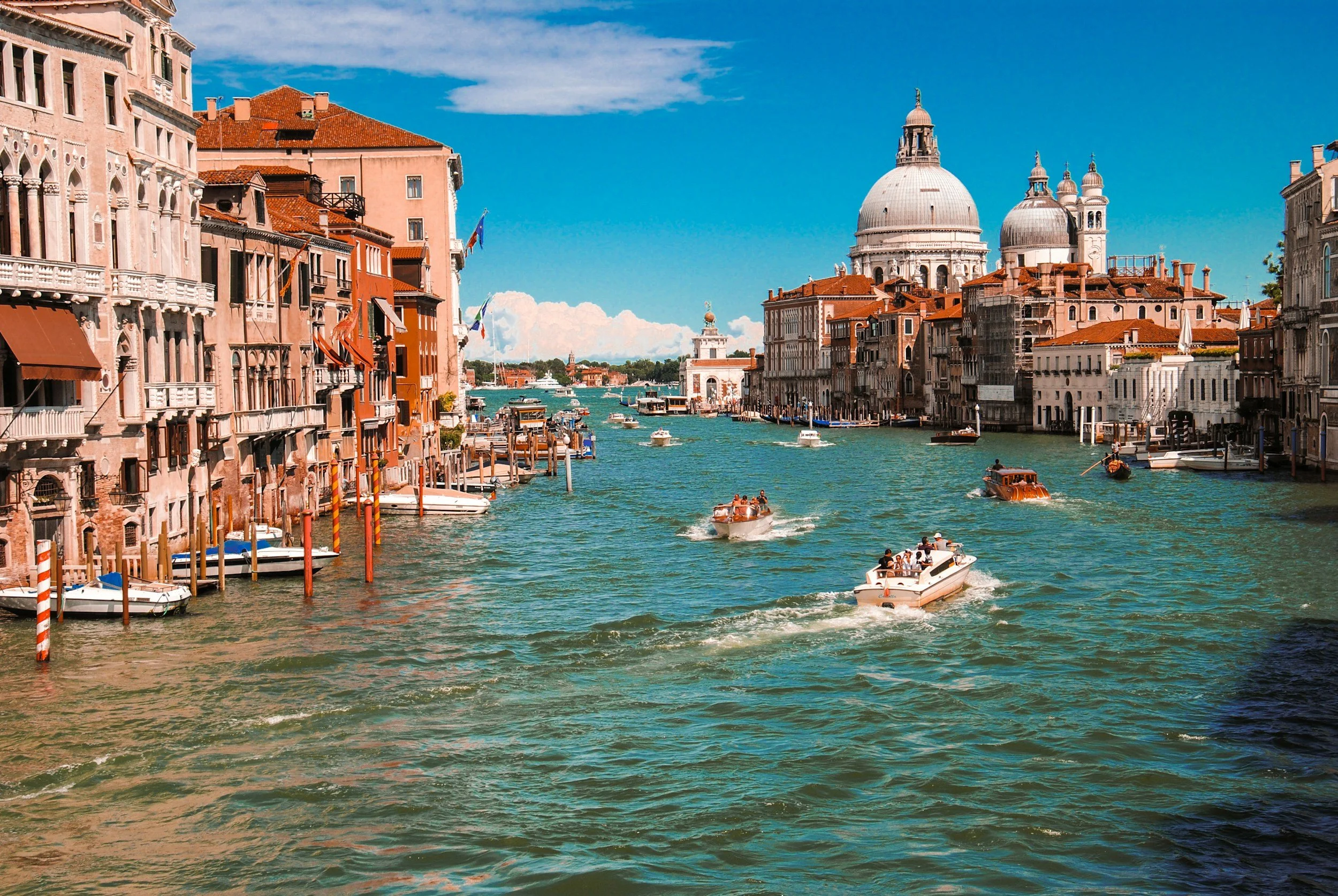
If Italy is one of your main reasons for visiting Europe, you don't need to add several other countries just to create a multi-country trip. Italy alone can easily fill two weeks.
A classic 2 week Italy itinerary could include Rome, Florence, and Venice, with additional time for Tuscany or another smaller destination.
Spend four or five days in Rome, including a day for Vatican City. Continue by high-speed train to Florence for three or four days, using one of those days to explore Tuscany if desired.
From Florence, travel north to Venice for two or three nights. Depending on your interests, the remaining days could be spent around Lake Como, Milan, Bologna, Cinque Terre, or another part of Italy.
Lucca is another option, particularly if you're looking for a smaller Tuscan city. It is known for its well-preserved Renaissance walls and historic streets.
Italy's rail network makes an itinerary like this relatively easy without renting a car.
2 Week Europe Itinerary: Spain
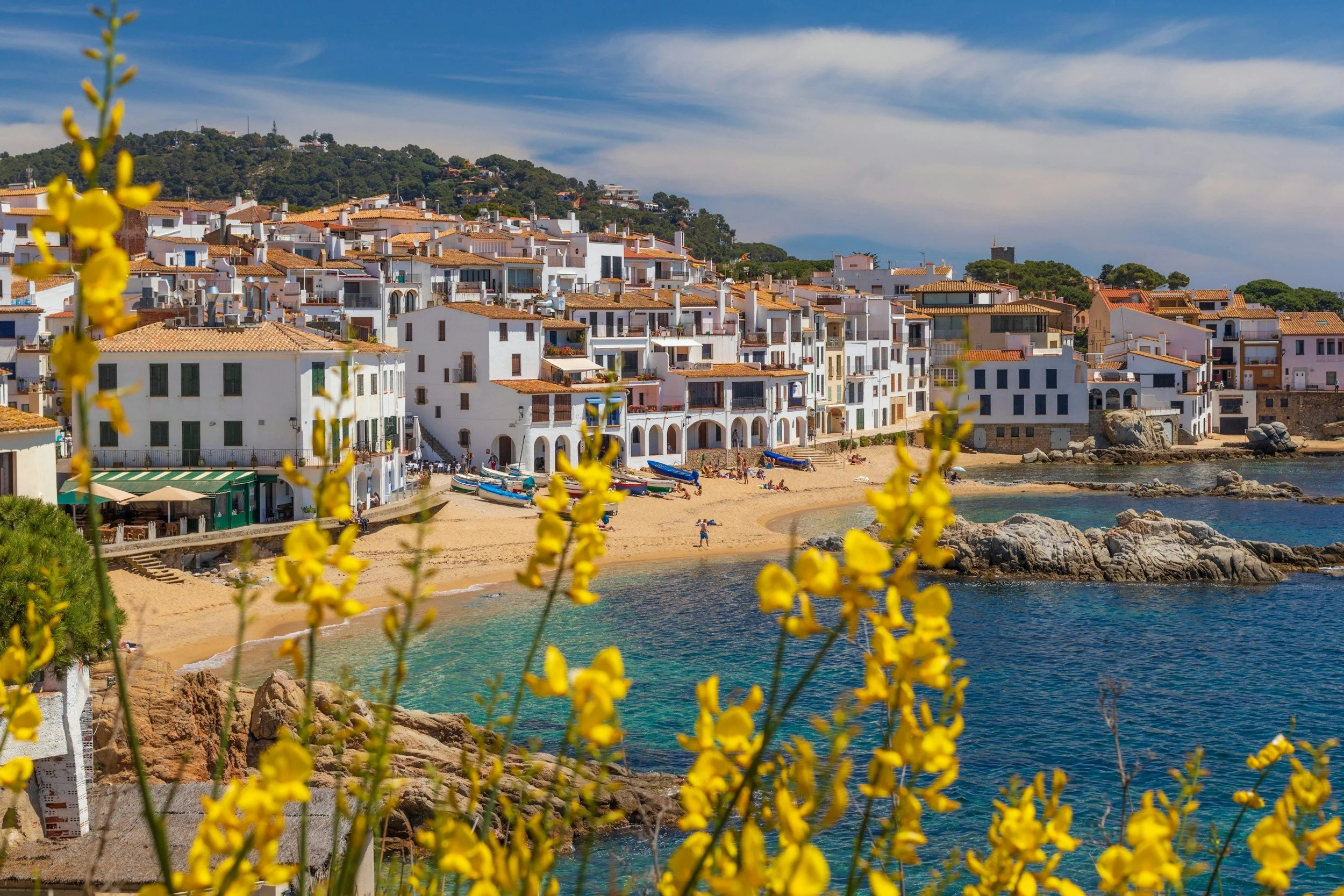
Spain also works well as a complete two-week destination.
Start in Barcelona with four days to explore the Sagrada Família, Park Güell, Gothic Quarter, El Born, La Boqueria, Montjuïc, and Barcelona's Mediterranean waterfront.
Continue to Madrid for three or four days. Madrid's major attractions include the Prado Museum, Royal Palace, Retiro Park, Plaza Mayor, and neighborhoods filled with restaurants and tapas bars.
From Madrid, you can continue south into Andalusia. Seville is one of the region's main destinations and is known for the Real Alcázar, Seville Cathedral, Plaza de España, tapas, and flamenco.
Ronda can also be incorporated into a southern Spain itinerary. The town is famous for its dramatic location above a gorge and the Puente Nuevo bridge connecting sections of the historic town.
Another option is to include Granada and the Alhambra.
Spain's high-speed rail network makes it possible to connect many of these destinations without flying.
2 Week Europe Itinerary: France and Italy
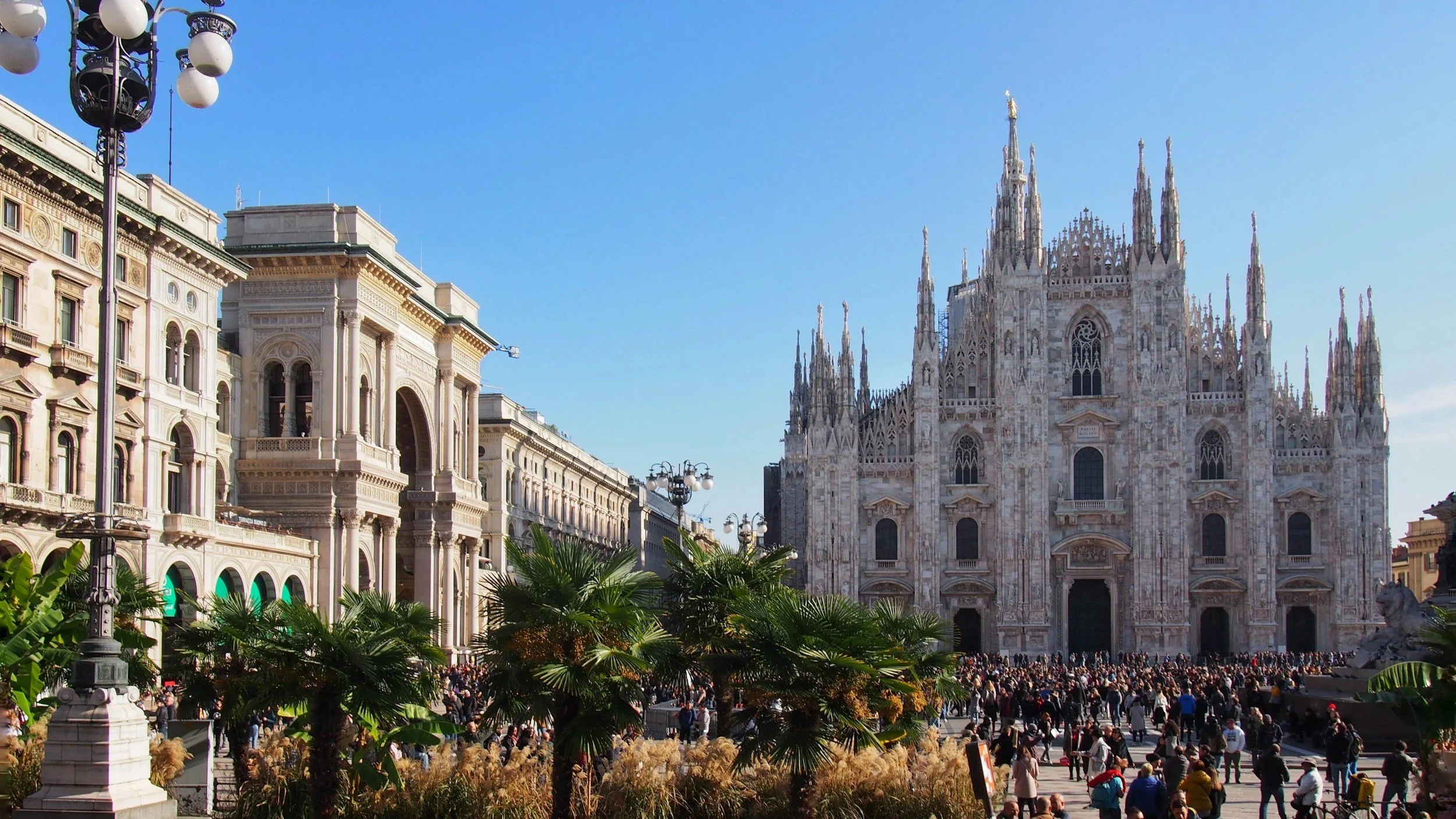
France and Italy are easy countries to combine if you want to focus on food, museums, historic cities, and famous landmarks.
Begin with four days in Paris before traveling south. You could spend a few days in southern France or travel directly into northern Italy.
Continue through destinations such as Milan, Florence, and Rome. A sample route could include four nights in Paris, two nights in Milan, three nights in Florence, and four nights in Rome.
Another option is to skip Milan and spend more time in Tuscany.
Keeping the itinerary focused on two countries gives you more time to enjoy each destination while still experiencing two distinct cultures.
2 Week Europe Itinerary: Central Europe
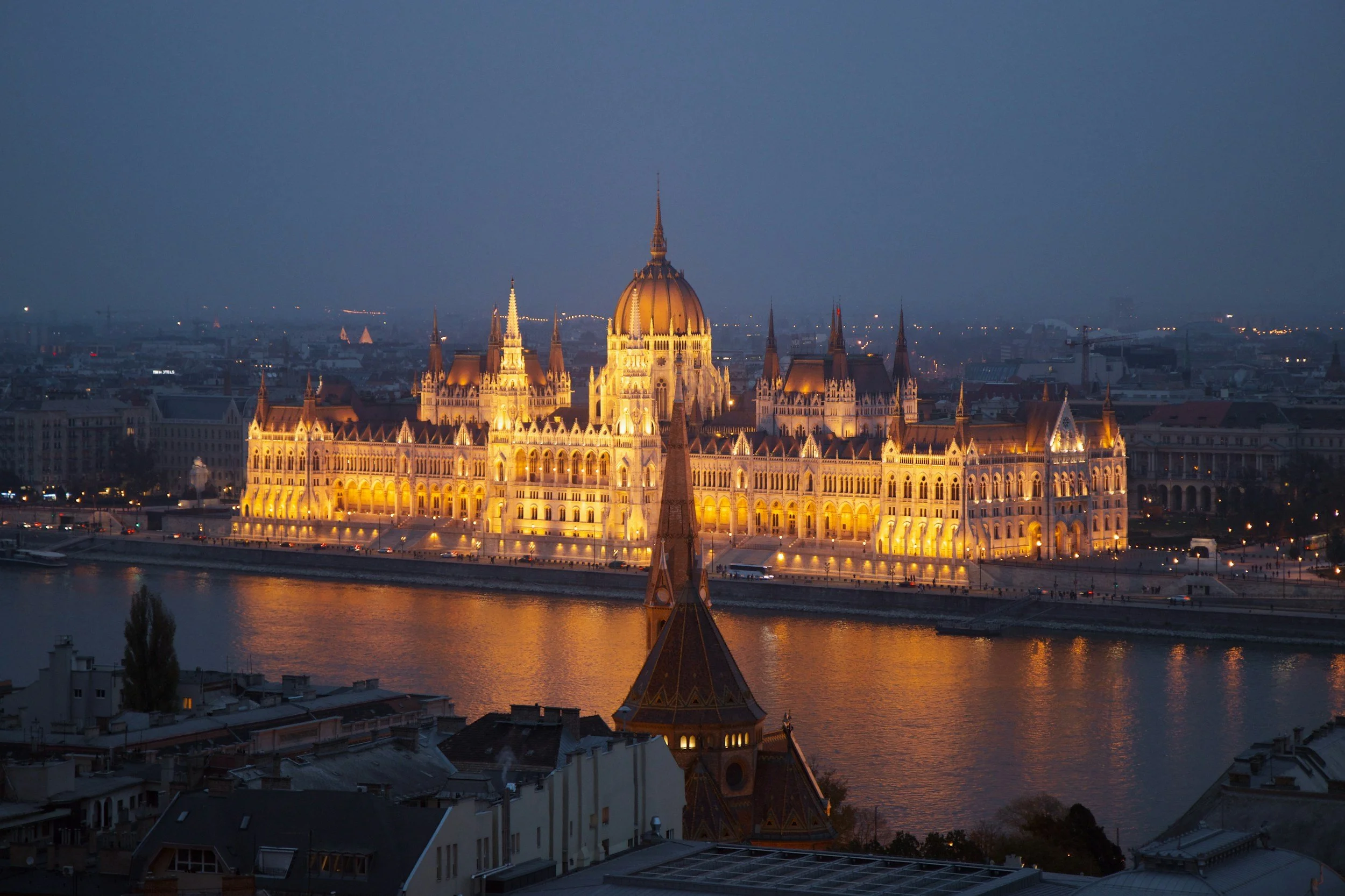
Central Europe is one of the easiest regions for a multi-city itinerary because several major destinations are relatively close together.
A good route can combine Prague, Vienna, Salzburg, and Budapest.
Spend three nights in Prague exploring Old Town Square, Charles Bridge, Prague Castle, Malá Strana, and the city's historic neighborhoods.
Continue to Vienna for three nights. Major attractions include Schönbrunn Palace, the Hofburg, Belvedere Palace, Vienna State Opera, museums, coffeehouses, and the city's historic center.
Salzburg can be added for two or three nights. The Austrian city is known as the birthplace of Mozart and has a compact historic center surrounded by Alpine scenery.
Finish in Budapest, where you can visit Buda Castle, Fisherman's Bastion, the Hungarian Parliament Building, thermal baths, and the Danube riverfront.
Most of this itinerary can be completed by train, making it a good option if you don't want to fly between cities.
Adding Smaller Cities to Your Europe Itinerary
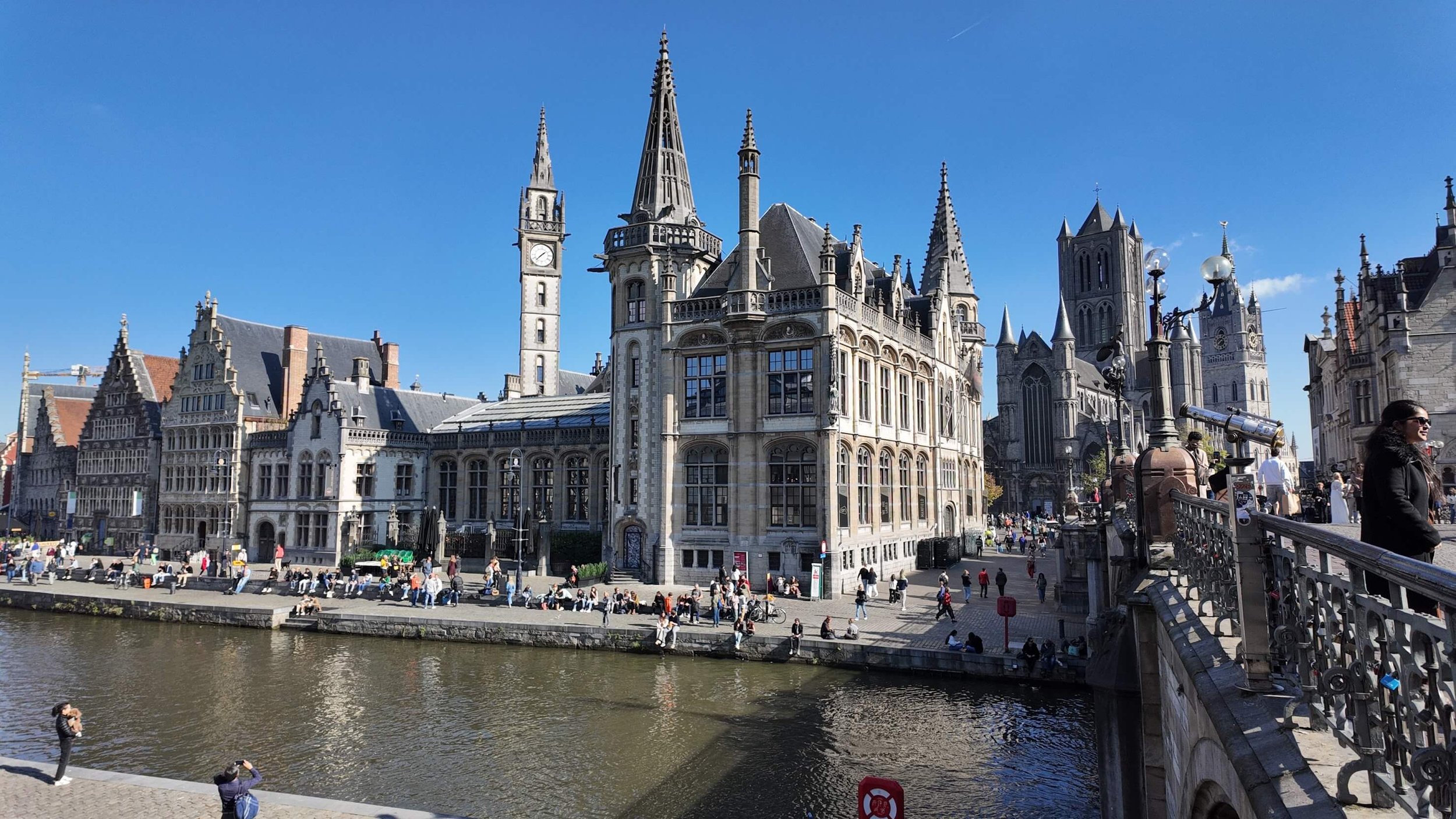
A two-week Europe trip doesn't have to consist entirely of capital cities. Adding one or two smaller destinations can provide a break from the pace of Paris, Rome, Barcelona, Amsterdam, or London.
Ghent, Belgium, is a good example. Its historic center has medieval architecture, canals, restaurants, and a large student population. It can be visited independently or incorporated into a Belgium itinerary.
Lucca provides a smaller-city alternative in Italy, with Renaissance walls surrounding its historic center.
Ronda is an option in southern Spain for travelers exploring Andalusia, while Salzburg combines a walkable historic center with easy access to Alpine scenery.
The best smaller destinations are usually those that fit naturally along your route rather than places requiring a major detour.
Train vs. Plane in Europe
One of the most important decisions when planning a Europe itinerary is determining when to take the train and when to fly.
For shorter routes, trains are often easier. You generally travel from city center to city center and avoid airport security, baggage procedures, and long trips to airports outside the city.
Routes such as London to Paris, Paris to Amsterdam, Rome to Florence, Florence to Venice, Madrid to Barcelona, and Vienna to Budapest are examples where rail travel can be convenient.
Flights become more useful for longer distances. If you're traveling from Amsterdam to Rome or Paris to Athens, flying may save a significant amount of time.
Don't compare only the scheduled flight time with the train time. Include transportation to the airport, how early you need to arrive, baggage collection, and transportation into the next city.
A one-hour flight can easily become a four- or five-hour travel process from hotel to hotel.
Should You Buy a Eurail Pass?
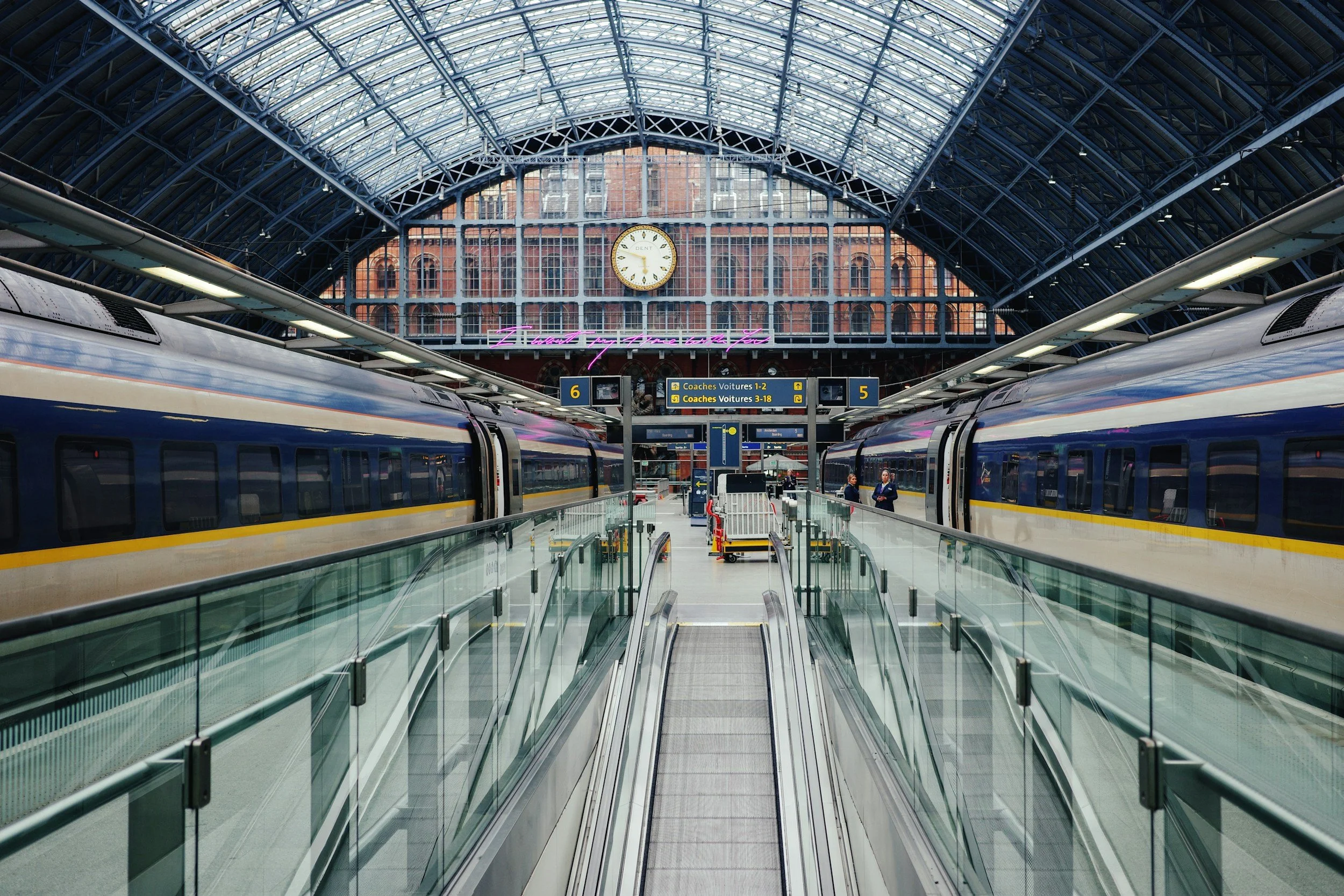
A Eurail Pass can be useful for some multi-country Europe itineraries, but it isn't automatically the cheapest option.
Before buying one, compare the cost of the pass with individual train tickets for your planned route. Some high-speed and overnight trains require seat reservations or additional fees even when you're traveling with a rail pass.
If your itinerary is fixed and you're willing to purchase tickets in advance, individual fares may be cheaper.
A Eurail Pass can make more sense if you value flexibility, plan to travel frequently by train, or don't want to commit to every departure far in advance.
Should You Rent a Car in Europe?
A rental car is usually unnecessary for a Europe itinerary focused on major cities.
Cities such as London, Paris, Amsterdam, Rome, Barcelona, Vienna, and Madrid have extensive public transportation systems, and driving can add parking costs and restrictions.
A car becomes more useful if you're exploring rural areas, small towns, vineyards, mountain regions, or countryside destinations that are difficult to reach by train.
If your itinerary combines cities and rural areas, consider renting a car only for the portion of the trip where you actually need it.
Cross-Border Travel in Europe
Travel between European countries is generally straightforward, but requirements depend on your nationality and the countries you're visiting.
Many popular European destinations are part of the Schengen Area, which allows travel across participating countries without routine internal border controls, although temporary checks can occur.
Not every European country is part of Schengen, and entry requirements can change. Check passport, visa, and entry requirements for every country on your itinerary before departure.
Currency also varies. Many European Union countries use the euro, but not every EU member does, and several European countries outside the EU use their own currencies.
Using a credit card with no foreign transaction fees can simplify purchases across multiple countries, but carrying a small amount of local currency can still be useful.
How Much Does a 2 Week Europe Trip Cost?
The cost of two weeks in Europe varies significantly depending on your destinations, season, accommodations, transportation, and travel style.
Western and Northern European cities such as London, Paris, Amsterdam, and Copenhagen are often more expensive than destinations in parts of Central, Eastern, and Southern Europe.
Hotels will usually be one of the largest expenses. Booking early can be particularly important for summer trips and major events.
Transportation costs depend heavily on your route. A trip built around nearby cities connected by trains can have very different costs from an itinerary requiring several flights.
Food costs can also vary considerably, but you don't need to eat at expensive restaurants for every meal. Bakeries, cafés, markets, casual restaurants, street food, and grocery stores can help keep daily expenses manageable.
Instead of relying on one fixed daily budget for all of Europe, price out your actual hotels and major transportation first. Those two categories will give you a much more accurate idea of what your 14-day Europe vacation will cost.
How to Save Money on a Europe Trip
Booking accommodations and major transportation early is one of the easiest ways to control costs, especially during summer.
Consider staying just outside the most tourist-heavy neighborhoods as long as your hotel has convenient access to public transportation. Saving money on a hotel isn't worthwhile if you spend hours commuting every day, so always check the location carefully.
City passes can sometimes save money if they include several attractions you already plan to visit. Compare the pass price with individual admission prices rather than assuming every city pass is a good deal.
Many European cities also have free attractions, public parks, churches, viewpoints, neighborhoods, and walking routes.
For food, consider eating your largest restaurant meal at lunch when fixed-price menus may be available. Markets, bakeries, and grocery stores are also useful for inexpensive breakfasts, snacks, and picnics.
Where to Stay During a 2 Week Europe Trip

Choosing the right location is often more important than choosing the fanciest hotel.
Staying near a metro or train station can save a significant amount of time during a city trip. Before booking, check how long it takes to reach the attractions you're planning to visit.
Hotels generally provide more privacy and services, while hostels can be an inexpensive choice for solo travelers and younger travelers. Many hostels also offer private rooms.
Vacation rentals can be useful for families or groups that need more space, although local rules and availability vary significantly by city.
Bed and breakfasts, guesthouses, farm stays, and eco-lodges can be good options when visiting smaller towns and rural areas.
Regardless of accommodation type, booking early can provide a larger selection, particularly if you're traveling during summer or a major festival.
What to Eat During a Europe Trip
Food should be part of your Europe itinerary rather than something you fit between attractions. Each country and region has its own specialties, and trying local food is one of the easiest ways to experience a destination.
In Italy, try pizza Napoletana in Naples, regional pasta dishes, and risotto in northern Italy.
France has an enormous range of regional food, from pastries and cheeses to dishes such as coq au vin and ratatouille.
In Spain, tapas are an important part of the dining culture. Popular options include patatas bravas, croquetas, jamón, and other small plates.
Germany is known for regional sausages, breads, potatoes, and dishes such as bratwurst and sauerkraut.
In Greece, look for souvlaki, moussaka, grilled seafood, Greek salads, and regional specialties.
Local markets are also worth visiting. They provide opportunities to try regional foods and can be an inexpensive place to pick up breakfast, lunch, snacks, or ingredients for a picnic.
Eating on a Budget in Europe
You can enjoy European food without eating three restaurant meals every day.
Bakeries are particularly useful for breakfast and lunch in countries such as France. Markets are good places to buy bread, cheese, meats, fruit, and prepared foods.
Street food can also provide inexpensive local meals, depending on the destination.
Many restaurants offer lunch specials or fixed-price menus that cost less than dinner.
If your accommodation includes a kitchen, preparing an occasional breakfast or dinner can reduce food expenses during a two-week trip.
A picnic in a park with food from a local market can also become part of the travel experience rather than simply a way to save money.
Museums and Historical Sites to Visit in Europe
A two-week Europe itinerary can include some of the world's best-known museums and historical attractions.
In Paris, the Louvre contains works including the Mona Lisa and Venus de Milo, while the Musée d'Orsay is known for its collection of Impressionist and Post-Impressionist art.
Rome's Colosseum and Roman Forum provide a look at the city's ancient history. Vatican City contains St. Peter's Basilica and the Vatican Museums, including the Sistine Chapel.
Amsterdam's major museums include the Rijksmuseum, Van Gogh Museum, and Anne Frank House.
Berlin's Museum Island contains several major museums, while London has institutions such as the British Museum and National Gallery.
Popular museums and attractions may require timed tickets, particularly during peak travel seasons. Book the attractions that are most important to you before your trip.
Nightlife and Entertainment in Europe
European cities offer everything from theater and classical music to nightclubs, jazz bars, and traditional performances.
London's West End is one of the world's major theater districts, with a large selection of musicals and plays.
Vienna is known for classical music and opera, while Berlin has an internationally known nightlife scene.
In Spain, consider attending a flamenco performance, particularly if your itinerary includes Andalusia.
Paris has jazz clubs, theaters, concert venues, wine bars, and late-night restaurants.
You don't need to plan entertainment every evening. Leaving a few nights open gives you time to discover restaurants, bars, performances, or neighborhood events after you arrive.
European Culture and Local Etiquette
Europe contains dozens of countries with different languages, customs, meal times, and social norms.
English is widely spoken in many tourist destinations, but learning a few words in the local language is appreciated. Simple phrases such as hello, please, thank you, and excuse me can be useful.
Dining customs vary significantly. In Spain, for example, dinner is often eaten considerably later than in the United States.
Local festivals can also affect your trip. They may provide some of your best travel experiences, but they can also result in higher hotel prices, transportation changes, and attraction closures.
Check local calendars before finalizing your itinerary.
Staying Connected in Europe
Having mobile data makes traveling in Europe much easier. You'll use your phone for maps, train schedules, attraction tickets, restaurant reservations, translation, and communication.
Depending on your mobile carrier, an international roaming plan may be the easiest option.
Local SIM cards and eSIMs are other possibilities for travelers who want mobile data without using their home carrier's international plan.
If you're using a physical SIM card, confirm that your phone is unlocked before traveling.
Free Wi-Fi is widely available at hotels, cafés, restaurants, airports, and some train stations, but you shouldn't rely entirely on public Wi-Fi for navigation.
Download important tickets, hotel information, and maps before travel days in case you temporarily lose service.
Useful Language Apps for Europe
You don't need to speak every language used along your itinerary, but translation apps can make everyday situations easier.
Google Translate allows you to download languages for offline use. This can be helpful for menus, signs, and basic conversations.
Language-learning apps such as Duolingo and Babbel can also help you learn common phrases before your trip.
Even knowing simple phrases such as hello, please, thank you, and excuse me can make interactions easier.
What to Pack for 2 Weeks in Europe

Packing light becomes particularly important when you're changing cities several times.
For spring and summer, bring lightweight clothing that can be layered, comfortable walking shoes, a light jacket, and clothing appropriate for the specific climates on your itinerary.
For fall and winter, focus on layers, a warm coat, weather-resistant footwear, and accessories such as gloves and a scarf where necessary.
Comfortable shoes are essential regardless of the season. European vacations often involve much more walking than travelers expect, particularly in historic city centers.
Choose clothing that can be mixed and matched rather than packing a completely different outfit for every day.
If possible, doing laundry once during a two-week trip can dramatically reduce the amount of clothing you need to bring.
Tech to Pack for Europe
Your smartphone will probably be one of your most useful travel tools. Use it for navigation, train tickets, boarding passes, reservations, translation, photos, and communication.
Bring a portable charger for long sightseeing days. Navigation, photography, and mobile data can drain your battery faster than normal.
You'll also need the correct power adapters for the countries you're visiting. Continental Europe commonly uses Type C and related plugs, while the United Kingdom and Ireland use Type G.
A universal travel adapter can simplify a multi-country trip, but always check that your electronics are compatible with local voltage requirements.
An e-reader or tablet can also be useful during long train rides and flights.
Travel Documents for Europe
Check your passport well before departure. Passport validity requirements depend on your nationality and destination, so don't rely on a general rule that applies to every traveler.
Check visa and entry requirements for each country on your itinerary as well.
Keep digital copies of important reservations, train tickets, airline bookings, and travel insurance documents. Having offline copies on your phone is useful if you lose internet access.
It's also a good idea to have backup copies of important documents stored separately from the originals.
Travel Insurance for Europe
Travel insurance can provide coverage for problems such as trip cancellations, medical emergencies, travel interruptions, and lost or damaged luggage, depending on the policy.
Read the coverage details carefully rather than assuming every policy covers the same situations.
If you're planning activities such as skiing, hiking, or other outdoor adventures, confirm whether they are covered by your policy.
Travelers with credit cards that include travel insurance should also review exactly what coverage is included before purchasing a separate plan.
Emergency Numbers in Europe
The emergency number 112 works throughout the European Union and in several other European countries.
Save important contact information before your trip, including your travel insurance provider and relevant embassy or consulate details.
If you take prescription medications, carry enough for your trip and keep essential medications in your carry-on luggage rather than checked baggage.
Pharmacies are widely available throughout European cities and can help with many minor health concerns.
Best Time for a 2 Week Europe Trip
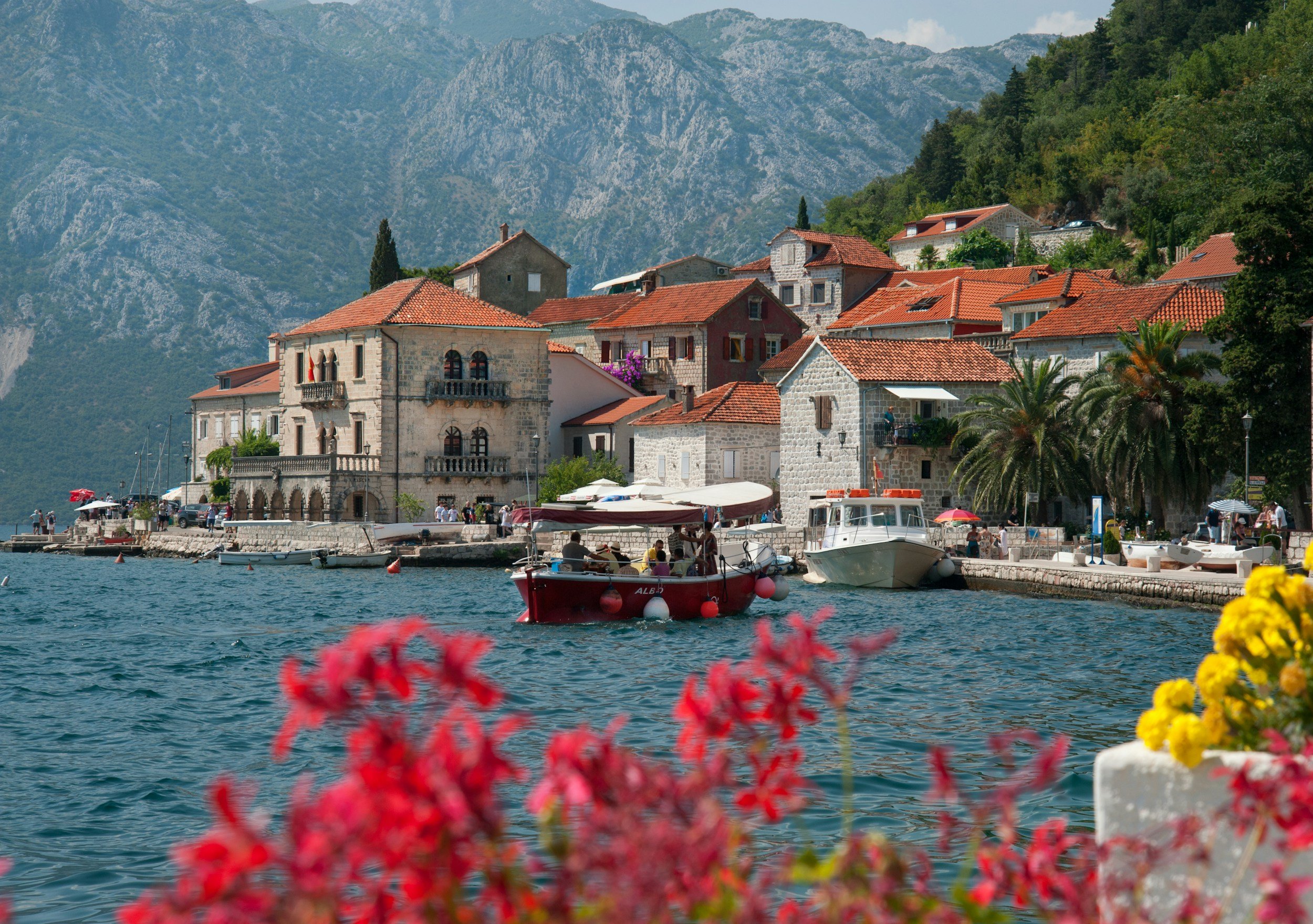
There isn't one best month to visit Europe because weather and crowds vary considerably across the continent.
Summer, particularly June through August, brings long daylight hours and warm weather across much of Europe. It's also the busiest season for many popular destinations.
Spring can be a good time for city sightseeing, gardens, flowers, and milder temperatures. April and May are particularly popular for destinations such as Paris, Amsterdam, Rome, and Barcelona.
September and October can provide comfortable weather and somewhat smaller crowds after the main summer travel period.
Winter works well for Christmas markets, museums, skiing, and lower-season city trips, although daylight hours are shorter and weather can be cold.
Choose your travel dates based on the specific regions you're visiting rather than Europe as a whole.
Common Mistakes When Planning Two Weeks in Europe
The biggest mistake is trying to visit too many cities.
A route with six or seven hotels in fourteen days may look exciting on paper, but you'll spend a significant portion of the trip packing, checking out, traveling, finding hotels, and checking back in.
Another common mistake is ignoring geography. Choose destinations that create a logical route rather than zigzagging across Europe.
Don't underestimate travel days either. Even a two-hour train journey requires time to check out, reach the station, board, travel, reach your new hotel, and settle in.
Avoid scheduling every hour of every day. Major European cities reward wandering, and some of your favorite experiences may be restaurants, neighborhoods, markets, parks, or cafés that weren't part of your original itinerary.
Finally, reserve your highest-priority attractions in advance. Tickets for popular places such as the Eiffel Tower, Anne Frank House, Sagrada Família, Vatican Museums, and major museums can sell out for specific dates and times.
Tips for Your First Trip to Europe
Build your itinerary around geography instead of a list of famous cities. Three destinations that connect easily will usually create a better trip than five cities scattered around the continent.
Stay at least three nights in most major destinations. Four nights is even better for cities such as Paris, London, Rome, and Barcelona.
Use open-jaw flights when possible. Flying into your first city and home from your last can save an entire travel day.
Book important trains, hotels, and attractions ahead of time, but leave some parts of your schedule open.
Use public transportation within major cities rather than taxis for every trip. European metro, tram, and bus systems are often extensive and can save both time and money.
Most importantly, don't try to see all of Europe in two weeks. A good first trip should leave you wanting to return.
2 Week Europe Itinerary Frequently Asked Questions
Is 2 Weeks Enough for Europe?
Two weeks is enough for an excellent Europe trip, but not enough to see the entire continent. Focus on one region or approximately three or four major destinations.
Fourteen days provides enough time to combine major cities, smaller towns, day trips, museums, food, and cultural experiences without rushing if you plan your route carefully.
How Many Cities Should You Visit in Europe in 2 Weeks?
Three or four main cities is a good target for most travelers. You can add smaller towns as day trips without changing hotels.
Visiting five or more major cities is possible, but the trip will become much more transportation-heavy.
How Many Countries Should You Visit in Europe in 2 Weeks?
Two to four countries is reasonable depending on their size and how close your destinations are.
You could easily spend the entire two weeks in Italy, Spain, France, or another large country. Alternatively, Central Europe makes it easier to visit several countries because cities such as Prague, Vienna, and Budapest are relatively close together.
What Is the Best Europe Itinerary for First-Time Visitors?
London, Paris, and Amsterdam make a straightforward first-time Europe itinerary because all three are major destinations and can be connected by train.
Rome, Florence, and Venice are another excellent choice if Italy is your main priority.
Prague, Vienna, Salzburg, and Budapest work well if you want a multi-country Central Europe itinerary.
Is It Better to Travel Europe by Train or Plane?
It depends on the route. Trains are usually more convenient for shorter distances and often connect city centers directly.
Flights make more sense when traveling longer distances across the continent.
Always compare total hotel-to-hotel travel time rather than just the scheduled flight and train times.
Should You Book Europe Trains in Advance?
For high-speed trains and popular routes, booking in advance can provide better prices and ensure seats are available.
Regional trains often provide more flexibility and may not require advance reservations.
Rules vary by country and train operator, so check each route individually.
Can You Travel Europe Without a Car?
Yes. Many Europe itineraries can be completed entirely by train, bus, plane, and local public transportation.
A rental car is most useful for rural areas, small villages, mountains, and destinations with limited public transportation.
How Far in Advance Should You Plan a Europe Trip?
For a summer Europe trip, booking major flights and accommodations several months in advance can provide more choices.
Popular attractions and high-speed trains may also require advance reservations.
You don't need to schedule every meal or activity, but booking your major transportation, accommodations, and must-see attractions ahead of time can make the trip much easier.
How Much Luggage Should You Bring for 2 Weeks in Europe?
Pack as lightly as you reasonably can. You'll probably be carrying or rolling your luggage through train stations, airports, sidewalks, hotel lobbies, and potentially cobblestone streets.
Packing approximately one week's worth of versatile clothing and doing laundry during the trip is often easier than packing fourteen completely different outfits.
Final 2 Week Europe Travel Checklist
Before leaving for Europe, confirm your passport and entry requirements, flights, accommodations, and major transportation reservations. Save copies of important documents and make sure you can access them offline.
Check the weather forecast for every destination shortly before departure and adjust your clothing accordingly. Pack comfortable walking shoes, charging cables, the correct travel adapter, medications, a portable charger, and a small day bag.
Download any apps you'll need for trains, airlines, maps, translation, and local public transportation before leaving home.
Most importantly, look at your itinerary one final time and make sure you've left enough time to actually enjoy each destination. Two weeks in Europe can cover a surprising amount when the route is planned well, but you don't need to see everything in one trip.
A good 2 week Europe itinerary balances famous attractions with local neighborhoods, food, day trips, and unscheduled time. Whether you choose London, Paris, Amsterdam, Rome, Barcelona, smaller cities such as Ghent and Salzburg, or an entirely different route, focusing on a few well-connected destinations will give you more time to experience Europe and less time simply traveling through it.