Best Time to Visit Normandy, France: Weather, Crowds & Travel Guide
The best time to visit Normandy, France depends on what you want to see, but June through August generally offers the warmest weather, longest days, and the widest range of things to do. Summer is also the busiest time to visit Normandy, particularly around the D-Day beaches, Mont-Saint-Michel, Étretat, Honfleur, and other popular destinations.
For fewer crowds, April, May, September, and October are some of the best months to visit Normandy. Spring brings flowers and greener countryside, while early fall combines cooler temperatures with fewer visitors at many of Normandy's historic sites.
Normandy is worth visiting throughout the year, and every season offers something different. History travelers may want to visit around the annual D-Day commemorations in early June, summer is ideal for the Normandy coast, spring and fall are good for road trips and sightseeing, and winter offers a much quieter experience.
If you're planning a Normandy vacation, this guide covers the best time to visit Normandy, weather by season, D-Day beaches, Mont-Saint-Michel, things to do, crowds, transportation, food, and what to pack.
Where Is Normandy and How Is the Region Laid Out?
One important thing to understand before planning a Normandy itinerary is that Normandy is a large region, not a single city. It covers a substantial portion of northwestern France along the English Channel, so many of the best places to visit in Normandy are spread across different cities, towns, and coastal areas.
Rouen is one of Normandy's major cities and sits along the Seine River in the eastern part of the region. Farther west, Caen and Bayeux are useful bases for visiting the D-Day beaches and World War II sites. The D-Day coastline stretches across Calvados and Manche, with major sites including Utah Beach, Omaha Beach, Gold Beach, Juno Beach, Sword Beach, and Pointe du Hoc.
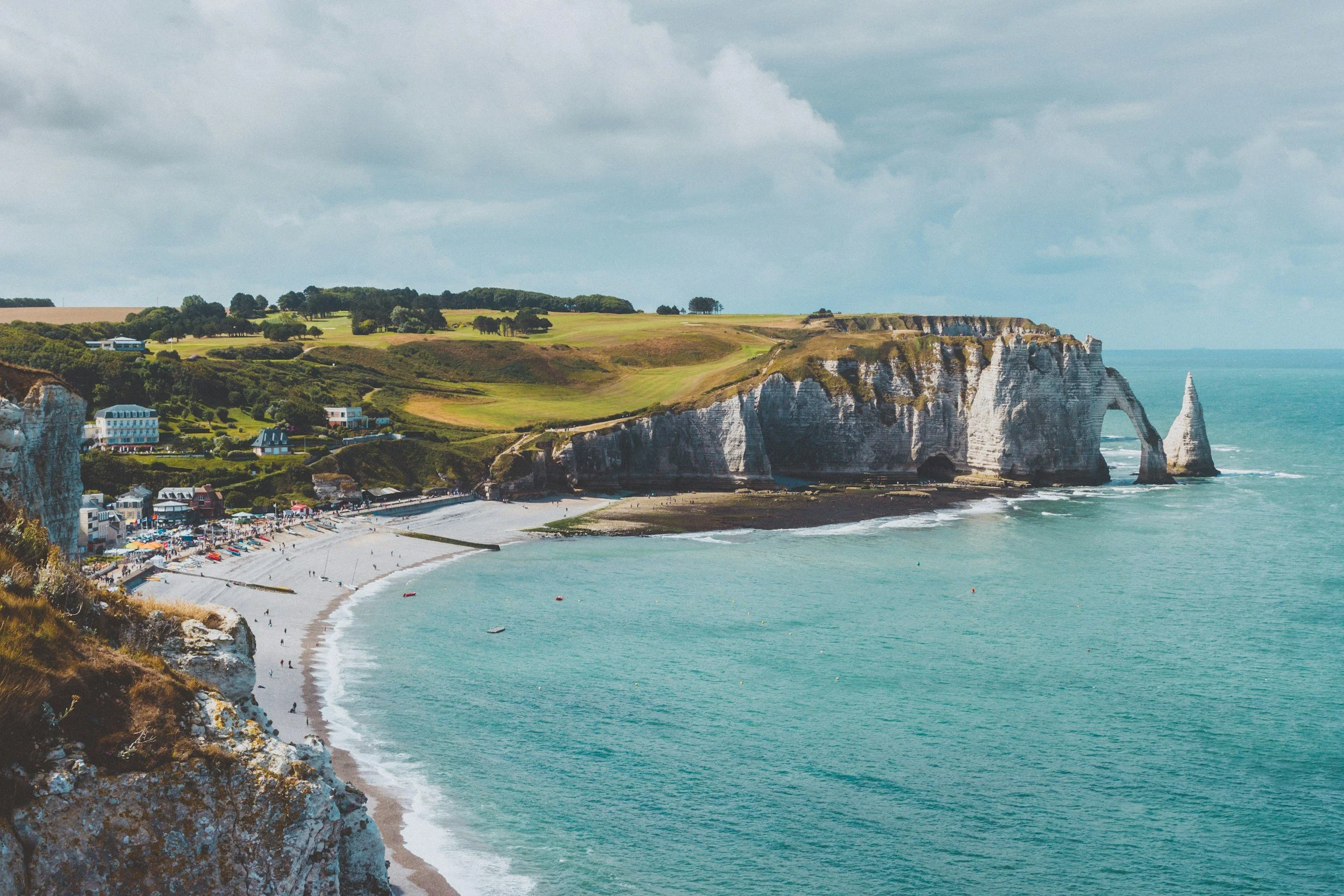
Honfleur sits near the mouth of the Seine, while Étretat is farther north along the coast and is known for its white cliffs and natural arches. Mont-Saint-Michel is located much farther west near the border between Normandy and Brittany.
Because these destinations are spread out, you shouldn't think of a trip to Normandy like a city break in Paris. You can travel from Paris to cities such as Rouen, Caen, and Bayeux by train, but a rental car can make it easier to combine smaller towns, coastal sites, D-Day locations, and countryside destinations.
When Is the Best Time to Visit Normandy?
For most travelers, May through September is the easiest time to visit Normandy because temperatures are generally comfortable for sightseeing and daylight hours are longer.
June, July, and August have the warmest weather, but they're also the busiest months. July and August are particularly popular for coastal trips, outdoor dining, hiking, and visiting Normandy's beaches.
May and September can provide a good balance between weather and crowds. Temperatures are cooler than midsummer, but conditions can still be comfortable for sightseeing.
April and October are worth considering if your priority is avoiding crowds. You'll need to prepare for cooler temperatures and rain, but attractions such as the D-Day beaches, Bayeux, Rouen, and Mont-Saint-Michel can be easier to explore.
Winter is the quietest season. You'll have shorter days, colder weather, and fewer hours for outdoor sightseeing, but you'll also encounter significantly fewer visitors at many locations.
Normandy Weather by Season
Normandy has a maritime climate influenced by its proximity to the English Channel and Atlantic Ocean. Weather can change quickly, and rain is possible throughout the year.
Packing layers is useful regardless of when you visit Normandy. Even during summer, mornings and evenings along the coast can feel noticeably cooler than afternoons.
Normandy in Spring: March, April and May
Spring in Normandy runs from March through May, with temperatures generally ranging from around 10°C to 17°C, or 50°F to 63°F.
March can still feel cold and damp, but temperatures gradually become more comfortable throughout April and May. The countryside also becomes greener and flowers begin blooming across gardens, parks, villages, and rural areas.
April and May are particularly good months for a Normandy road trip. You'll generally encounter fewer visitors than during summer while still having enough daylight for D-Day sites, castles, museums, coastal walks, and small towns.
Rain is common, so bring a waterproof jacket or umbrella. Comfortable waterproof walking shoes can also be useful, particularly if you're visiting beaches or hiking.
If you want a combination of decent weather and manageable crowds, May is one of the best months to visit Normandy.
Normandy in Summer: June, July and August
Summer is the most popular time to visit Normandy.
Temperatures commonly range from around 18°C to 25°C, or 64°F to 77°F. July is typically one of the warmest months, and temperatures can occasionally approach 30°C, or 86°F, during periods of hot weather.
June has particularly long daylight hours, giving you more time for road trips and sightseeing. It is also an important month for Normandy's World War II history because D-Day took place on June 6, 1944.
Each year, Normandy hosts commemorations and events around the anniversary. The D-Day Festival takes place across the landing beach sector and includes events around Utah, Omaha, Gold, Juno, and Sword beaches, as well as communities such as Sainte-Mère-Église, Arromanches, and Ouistreham.
July and August are ideal for coastal sightseeing, outdoor dining, hiking, and spending time along Normandy's beaches. However, popular attractions can become crowded and hotel rates may be higher.
If you're visiting Mont-Saint-Michel in summer, arriving early or later in the day can make a major difference. Normandy Tourism recommends visiting before 10 a.m. or after 5 p.m. for a quieter experience during busy periods.
Normandy in Fall: September, October and November
Fall is another good time to visit Normandy, particularly if you prefer cooler weather and fewer tourists.
Temperatures during the season generally range from around 10°C to 15°C, or 50°F to 59°F, although September is usually warmer than November.
September can be an excellent alternative to July and August. Summer crowds begin to decrease, but the weather can still be comfortable for sightseeing, hiking, and exploring the coast.
October brings cooler temperatures and more frequent rain, but it can be a good month for visiting historic sites without peak-season crowds. The changing leaves also add fall color to Normandy's countryside.
Harvest season brings additional local produce to markets, making fall a good time to explore Normandy's food, cider, and agricultural traditions.
By November, temperatures are noticeably cooler and daylight hours are shorter. Pack a jacket, rain protection, and layers if you're visiting late in the season.
Normandy in Winter: December, January and February
Winter is the coldest and quietest time to visit Normandy.
Temperatures generally range from around 2°C to 8°C, or 36°F to 46°F. Snow isn't especially common but can occur, particularly during colder periods.
Coastal winds can make temperatures feel colder, so bring a warm coat, layers, gloves, and weather-resistant shoes.
The main advantage of visiting Normandy in winter is the smaller number of tourists. Popular locations such as Mont-Saint-Michel and the D-Day beaches can feel completely different compared with summer.
Normandy Tourism specifically recommends autumn and winter for travelers who want to experience Mont-Saint-Michel outside its busiest periods. Weekdays and early mornings can be especially quiet.
Winter also brings seasonal events and Christmas markets to some Normandy towns and cities.
Best Month to Visit Normandy
If we had to narrow the Normandy travel season down, May, June, and September offer some of the best overall conditions.
May provides spring scenery and fewer visitors than summer. June has long days, warmer weather, and the annual D-Day commemorations. September retains some of summer's advantages while crowds begin to decrease.
July and August are better choices if warm weather is your main priority, particularly if you want to spend time along the coast.
April and October are better for travelers who don't mind cooler or wetter conditions in exchange for smaller crowds.
There really isn't one bad month to visit Normandy. The best choice depends on whether you're prioritizing weather, history, beaches, lower crowds, food, or budget.
Best Time to Visit Normandy for the D-Day Beaches
The Normandy D-Day beaches can be visited throughout the year.
The five main landing beaches are Utah Beach, Omaha Beach, Gold Beach, Juno Beach, and Sword Beach. Pointe du Hoc is another major site, and the coastline contains numerous military cemeteries, museums, memorials, bunkers, and other locations connected with the Battle of Normandy. The D-Day Landing Beaches were added to the UNESCO World Heritage List in 2026.
Early June is the most significant time to visit because D-Day occurred on June 6, 1944. Annual ceremonies and commemorative events take place across the region around the anniversary.
This is also one of the busiest times to visit the D-Day sites. Hotels around Bayeux, Caen, Sainte-Mère-Église, and other communities can book well ahead of the commemorations.
If you're primarily interested in exploring the sites rather than attending anniversary events, spring and fall can be excellent alternatives. Normandy Tourism also recommends these quieter seasons for visiting the landing beaches.
Visiting Normandy During the D-Day Anniversary
Visiting Normandy around June 6 is a very different experience from visiting at another time of year.
Annual commemorations honor the Allied landings of June 6, 1944 and the Battle of Normandy that followed. Events take place across the D-Day coastline and surrounding communities.
The D-Day Festival typically includes ceremonies, historical events, exhibitions, concerts, parades, and other programs around the landing beach area.
If attending D-Day anniversary events is a priority, reserve accommodations well in advance. Bayeux is one of the most convenient bases, but accommodations throughout the area can fill as the anniversary approaches.
If you prefer to see Omaha Beach, Pointe du Hoc, military cemeteries, museums, and memorials in a quieter setting, visit outside the early June anniversary period.
Best Time to Visit Mont-Saint-Michel
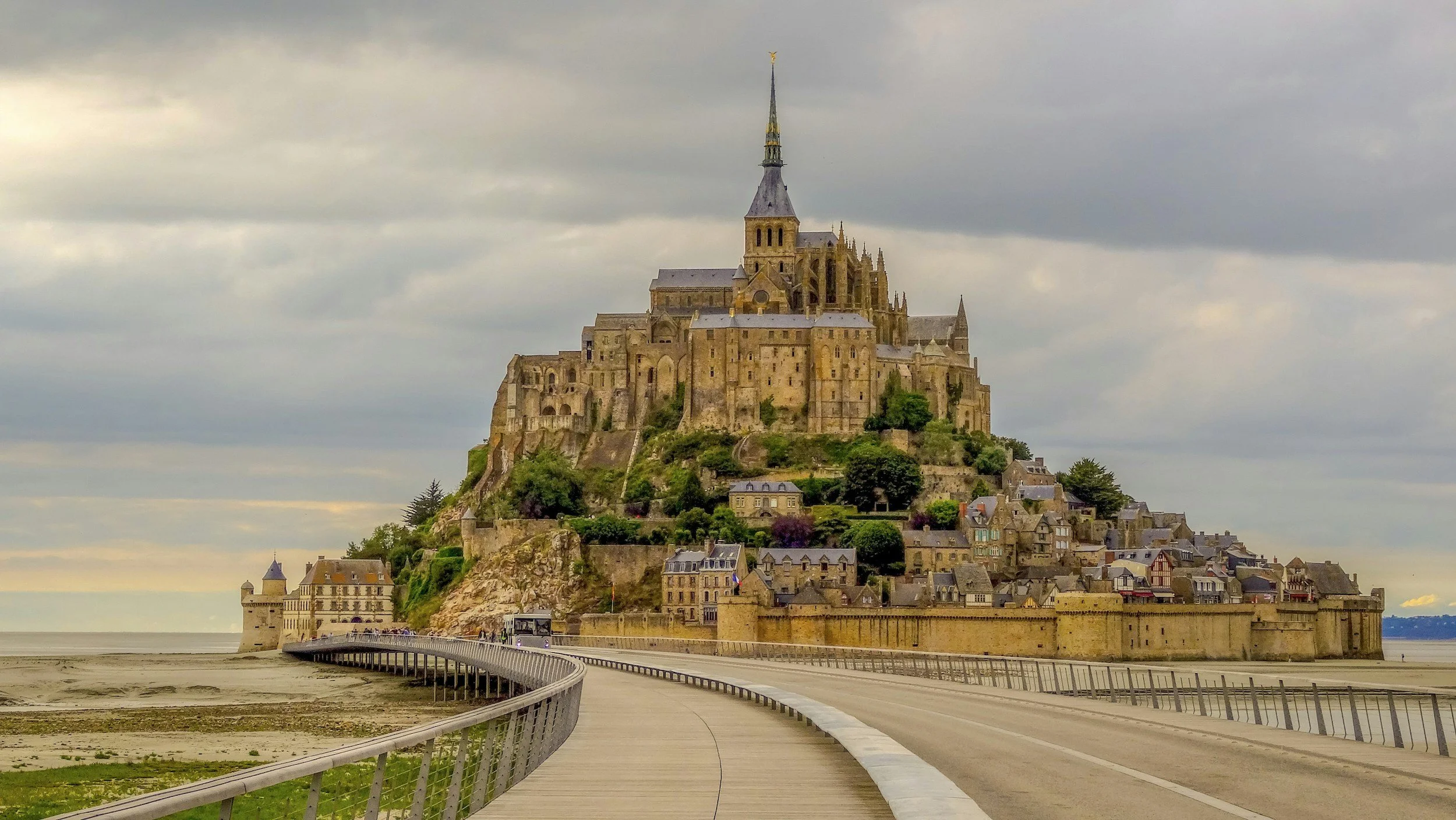
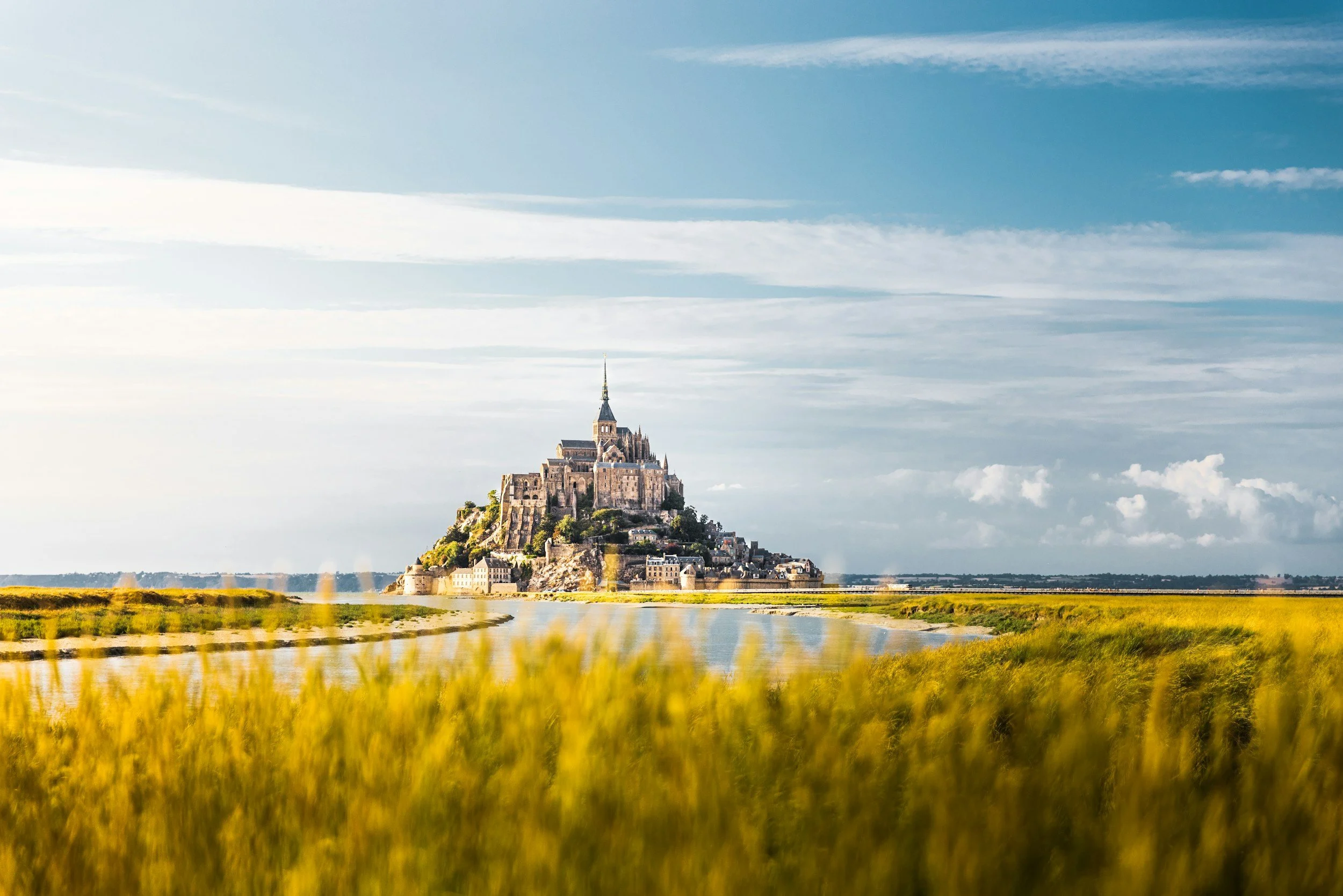
Mont-Saint-Michel is one of the most popular places to visit in Normandy and one of France's best-known landmarks.
The island and its bay have been a UNESCO World Heritage Site since 1979. Visitors can walk through the medieval village, explore the ramparts, and climb to Mont-Saint-Michel Abbey.
Summer brings long days but also large crowds. Normandy Tourism recommends visiting outside the main season when possible, particularly during fall and winter. If you're visiting during summer, mornings before 10 a.m. and evenings after 5 p.m. tend to be quieter.
Plan at least half a day for Mont-Saint-Michel if you want to explore the village, ramparts, and abbey.
The Bay of Mont-Saint-Michel experiences some of continental Europe's highest tides. On certain high-tide days, the mount can briefly become an island again, making tide schedules another factor worth checking when planning your visit.
Best Time to Visit Étretat
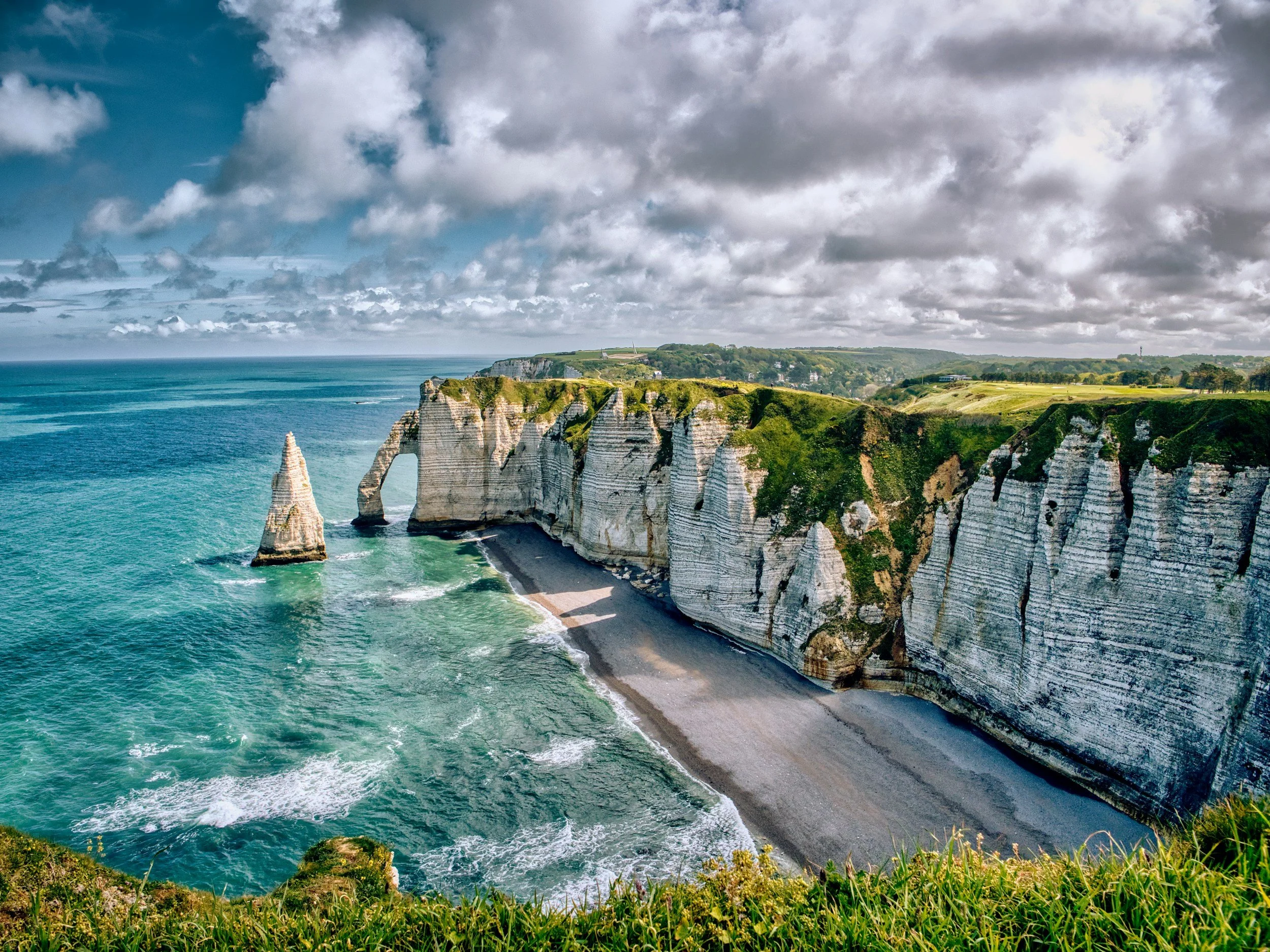
Étretat is one of Normandy's most recognizable coastal destinations, known for its white chalk cliffs and natural arches.
Late spring through early fall provides the most comfortable conditions for walking the cliff paths, but summer can become busy.
May, June, and September are good choices if hiking and photography are priorities. You'll have relatively long days without necessarily encountering the largest July and August crowds.
Weather along the coast can change quickly, so bring a jacket even if the forecast looks comfortable.
Best Time to Visit Honfleur
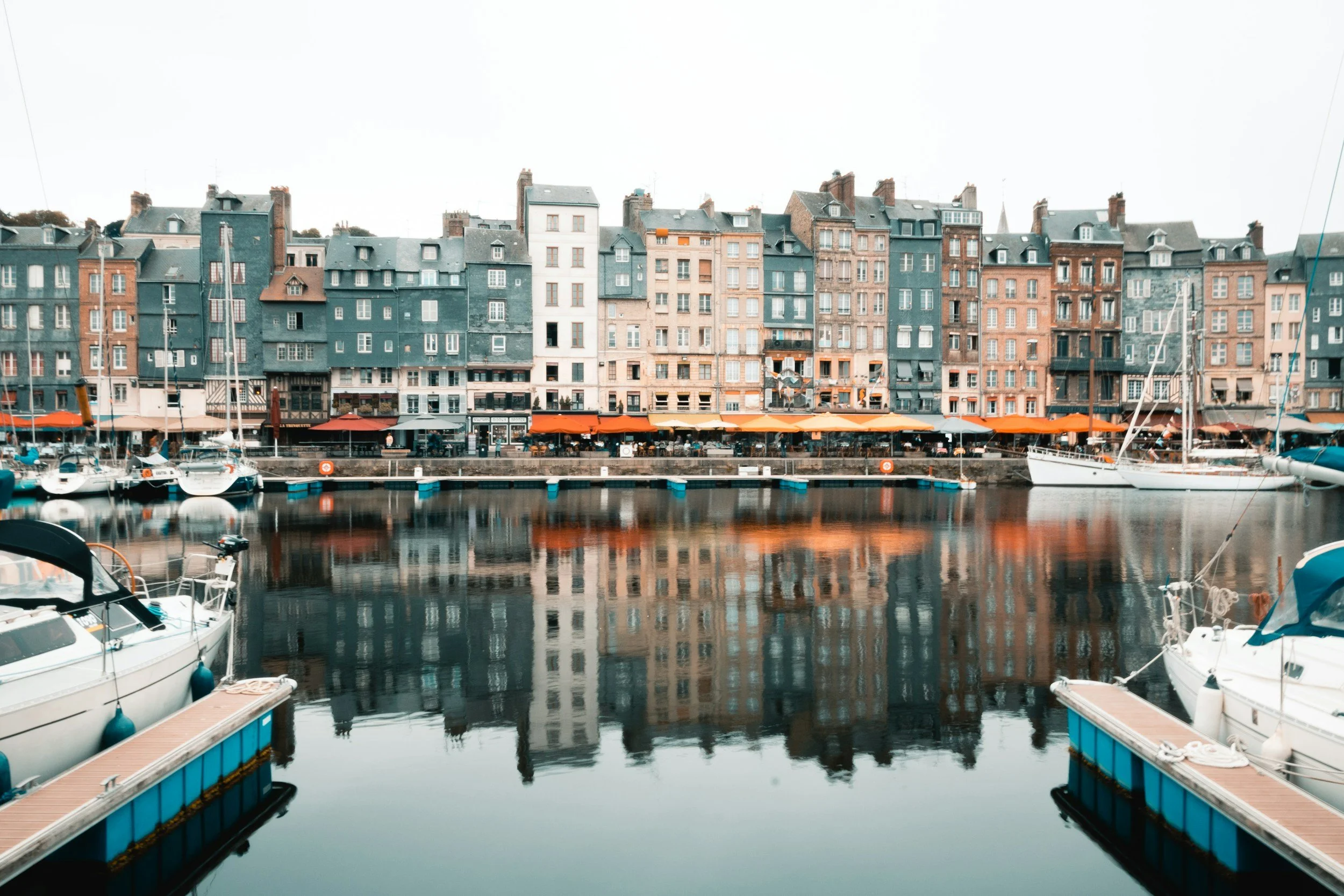
Honfleur is known for its historic harbor, narrow streets, art galleries, restaurants, and maritime history.
The town is especially popular during summer weekends, so spring and early fall can be better if you'd like to explore with fewer crowds.
May, June, and September provide a good balance of comfortable weather and outdoor dining opportunities.
Honfleur is relatively compact and easy to explore on foot, making it a good stop on a Normandy road trip.
Best Time to Visit Bayeux
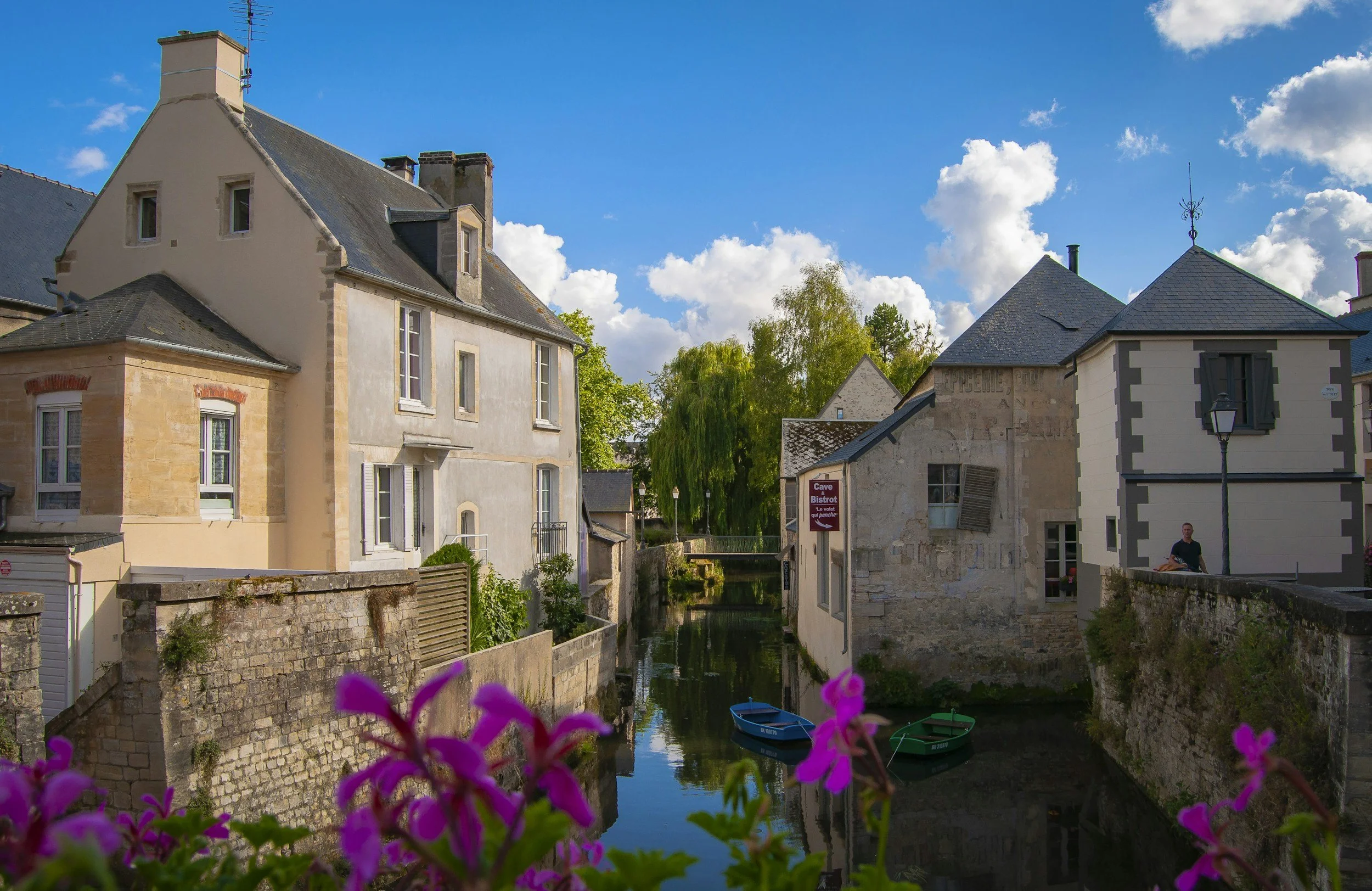
Bayeux is one of the most useful places to stay when exploring the D-Day beaches.
The town is home to the Bayeux Tapestry and is positioned close to many of Normandy's World War II sites.
Bayeux is busiest around the June D-Day commemorations and during the main summer travel season.
Spring and early fall are good alternatives if you're interested in the Bayeux Tapestry, D-Day museums, cemeteries, and beaches without peak summer crowds.
Because many guided D-Day tours depart from Bayeux, staying here can also make it possible to explore the landing sites without renting a car.
Best Time to Visit Rouen
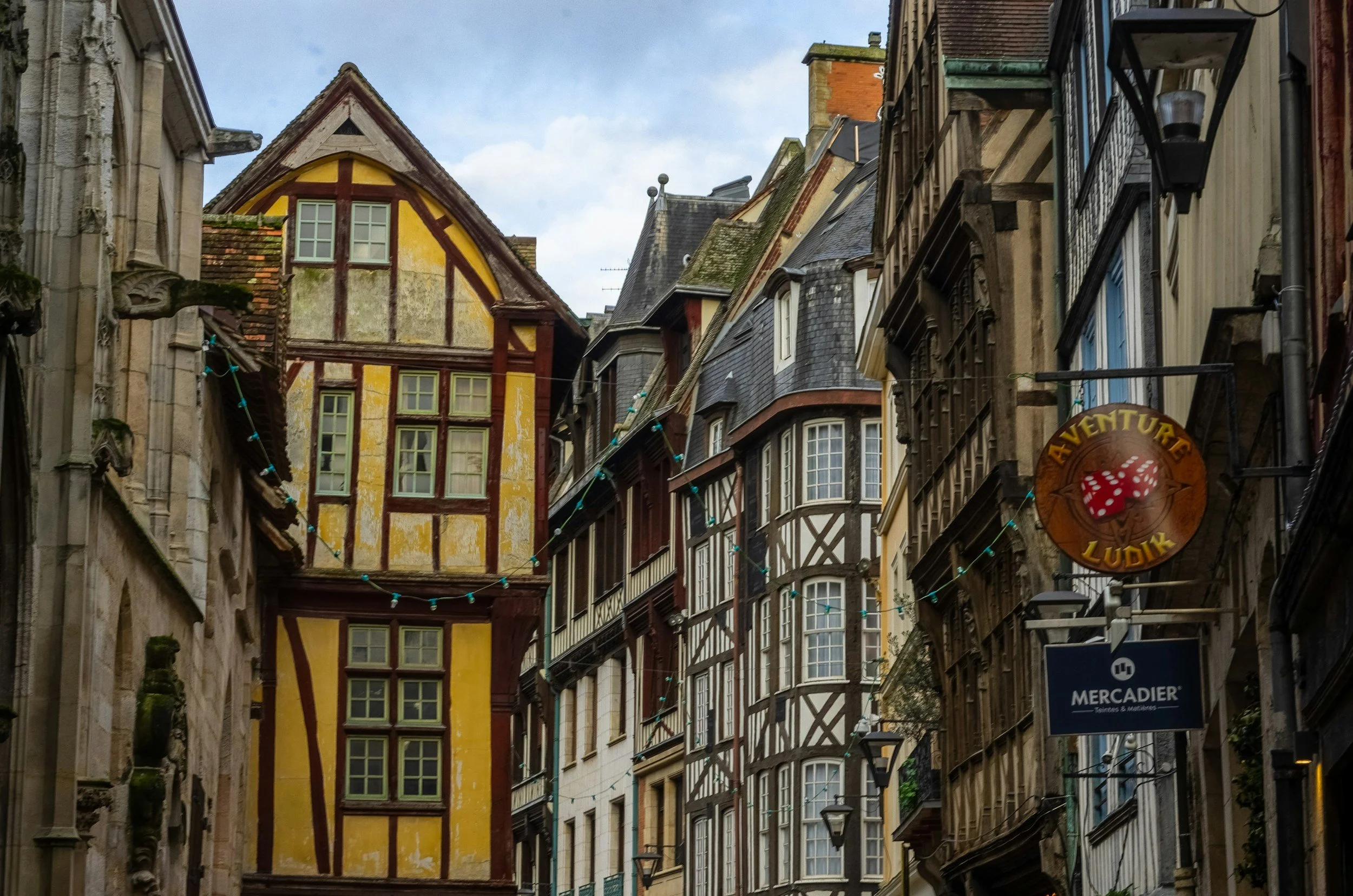
Rouen is one of Normandy's largest cities and an easy destination to reach from Paris.
The historic center is known for Rouen Cathedral, medieval streets, half-timbered buildings, and sites associated with Joan of Arc.
Spring and fall are particularly comfortable for walking through the city. Summer brings warmer temperatures and longer days, while winter can provide a quieter city break.
Unlike some of Normandy's seasonal coastal destinations, Rouen works well throughout the year because many of its major attractions are located within the city.
Best Time to Visit Caen
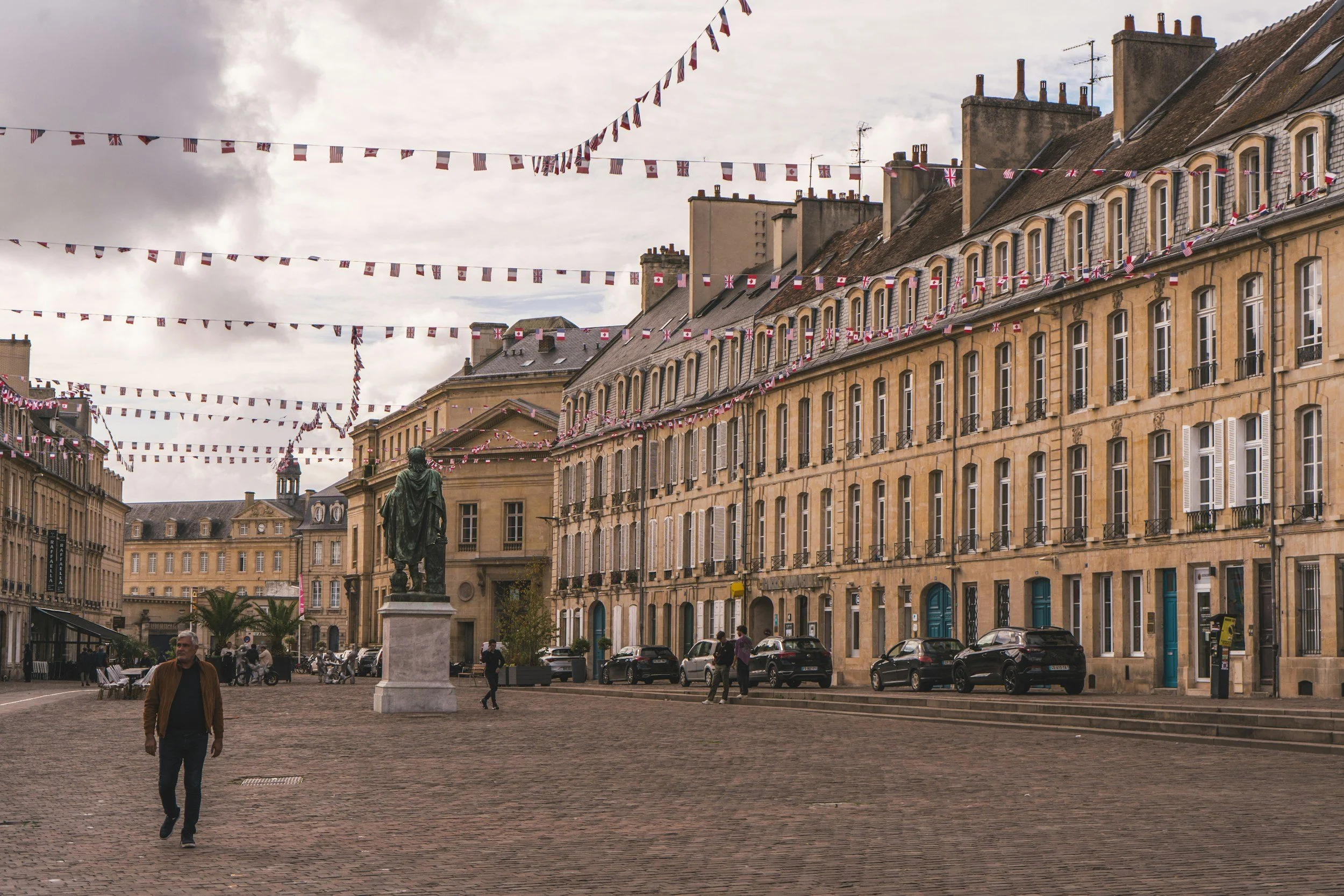
Caen is another useful base for exploring Normandy and the D-Day region.
One of its major attractions is the Caen Memorial Museum, which covers World War II, the Battle of Normandy, the Cold War, and themes related to peace.
Caen is also connected by rail with Paris and provides access to other parts of Normandy.
June is especially busy because of D-Day anniversary events throughout the region. May, September, and October can be good alternatives if you're mainly interested in museums and historical sites.
Best Things to Do in Normandy
Normandy has a much wider range of attractions than many first-time visitors expect.
For history, visit the D-Day beaches, military cemeteries, battlefield sites, museums, the Bayeux Tapestry, and Caen Memorial Museum.
For medieval history and architecture, Mont-Saint-Michel is the region's most famous attraction.
For coastal scenery, head to Étretat, Honfleur, and other communities along the English Channel.
Normandy is also good for hiking, cycling, road trips, markets, food tours, cider tastings, and exploring small towns.
With several days, you can combine World War II history, coastal landscapes, medieval sites, and local food into one Normandy itinerary.
Visiting the D-Day Beaches in Normandy
Exploring Normandy's D-Day sites is one of the main reasons many international travelers visit the region.
Omaha Beach is among the best-known locations, but understanding D-Day requires looking beyond a single beach. The landing area extends from Utah Beach in the west to Sword Beach in the east, with Gold and Juno between them.
Museums, memorials, military cemeteries, remaining fortifications, and battlefield sites are located throughout the area. Arromanches is particularly known for remnants of the artificial Mulberry harbor constructed after the landings.
Because the sites cover a large area, don't expect to see everything in a few hours.
A guided D-Day tour can be worthwhile if you want detailed historical context without having to plan transportation between each location.
Visit the Bayeux Tapestry
The Bayeux Tapestry is one of Normandy's most important historical attractions.
The embroidered work tells the story surrounding the Norman conquest of England and the events leading to the Battle of Hastings in 1066.
Bayeux itself survived World War II with much of its historic center intact, making it worth exploring beyond the museum.
The town also works particularly well as a base for travelers visiting the D-Day beaches.
Visit Mont-Saint-Michel Abbey
Mont-Saint-Michel Abbey sits at the top of the mount and is one of the highlights of a visit.
The climb passes through the village and up steep streets and stairs before reaching the abbey complex.
Allow enough time to explore rather than treating Mont-Saint-Michel as a quick photo stop.
Access to Mont-Saint-Michel itself is free, while admission is generally required for the abbey. A free shuttle connects the parking area with the mount.
Hiking in Normandy
Normandy's coastline and countryside provide plenty of opportunities for hiking.
Étretat is one of the most popular places for coastal walks, with trails following the cliffs above the English Channel.
You can also find walking routes around Mont-Saint-Michel, along Normandy's beaches, through countryside areas, and near the Seine.
Spring and early fall are particularly good for hiking because temperatures are generally cooler than midsummer.
Regardless of the season, prepare for rain and changing conditions.
Family Things to Do in Normandy
Normandy can also work well for a family vacation.
The Bayeux Tapestry introduces medieval history through a visual story, while castles, beaches, and coastal towns provide outdoor options.
Festyland near Caen is an amusement park with rides and attractions for families.
Parc Zoologique Cerza is another option, with animals living across a large park setting.
Families visiting D-Day locations should consider children's ages and how much historical context they have before the trip. Some museums and sites deal directly with war, death, and military history.
Normandy Food You Should Try

Normandy's food is heavily influenced by its coastline, dairy farms, orchards, and agricultural countryside.
Seafood is a major part of local cuisine. Mussels and scallops are widely associated with the region, along with other seafood from the English Channel.
Normandy is also famous for dairy products. Camembert is one of the region's best-known cheeses and originated in Normandy.
Other Normandy cheeses include Livarot and Neufchâtel.
Traditional crêperies serve both savory and sweet crêpes, often using regional ingredients.
Another Normandy specialty is pré-salé lamb, which comes from sheep grazing on salt marshes, particularly around the Bay of Mont-Saint-Michel.
Normandy Cider and Calvados
Apples are an important part of Normandy's agricultural and culinary identity.
Normandy produces cider ranging from sweeter varieties to dry styles, and visiting a cider producer can be a good addition to a road trip.
Calvados is Normandy's famous apple brandy. Producers throughout the region offer tours and tastings where visitors can learn about how apples are fermented and distilled.
Cider pairs particularly well with Normandy cheeses and crêpes.
Travelers interested in food can also explore parts of Normandy's Cider Route, which passes through orchard country and small villages.
Local Festivals and Events in Normandy
Normandy hosts events throughout the year, but late spring and summer have particularly active calendars.
D-Day commemorations around June 6 are among the region's most internationally recognized events.
Food festivals celebrate Normandy products such as cheese, cider, seafood, and apples.
Coastal communities also host maritime events, while larger cities have concerts, markets, cultural festivals, and seasonal celebrations.
If you're visiting specifically for an event, book accommodations early. Major events can significantly increase demand in smaller Normandy towns.
Getting to Normandy From Paris
Normandy is relatively easy to reach from Paris, which makes it possible to combine the region with a larger France itinerary.
Trains connect Paris with several Normandy cities, including Rouen, Caen, and Bayeux.
Your best arrival point depends on what you want to see. Rouen works well for eastern Normandy, while Caen and Bayeux are better positioned for the D-Day beaches.
Mont-Saint-Michel is farther west and requires more travel time. From April through October, Normandy Tourism notes that travelers can take a direct train from Paris Montparnasse to Pontorson and then continue by bus to Mont-Saint-Michel.
If you're planning to visit several rural and coastal destinations, renting a car can provide significantly more flexibility.
Getting Around Normandy by Train
Train travel works well for reaching Normandy's larger cities and towns.
SNCF regional trains connect destinations such as Rouen, Caen, and Bayeux with Paris and other communities.
Trains can be comfortable and convenient if your itinerary focuses on cities or if you're taking an organized tour to more remote attractions.
However, rail service doesn't directly connect every beach, memorial, village, or rural attraction.
Check schedules before your trip, particularly on weekends and holidays when service may be less frequent.
Do You Need a Car in Normandy?
You don't absolutely need a car in Normandy, but having one can make the trip much easier.
If you're staying in Bayeux and taking a guided D-Day tour, you can visit many major historical sites without driving.
Likewise, Rouen and Caen are easy enough to explore without a car.
A rental car becomes much more useful if you want to combine the D-Day beaches, Étretat, Honfleur, small villages, cider producers, countryside attractions, and Mont-Saint-Michel into one trip.
Normandy's roads are generally well maintained, but rural roads can be narrow. Parking arrangements also vary by town and attraction.
For a multi-day Normandy road trip, a car usually provides the most flexibility.
Where to Stay in Normandy
The best place to stay in Normandy depends on your itinerary.
Bayeux is one of the best choices for travelers focused on D-Day history. Many tours leave from the town, and it provides convenient access to Omaha Beach and other landing sites.
Caen is a larger city with more transportation connections, restaurants, and accommodations.
Rouen is better for travelers exploring eastern Normandy and works particularly well as an easy trip from Paris.
Honfleur is a good option if you're interested in the coast, harbor, restaurants, and a smaller-town atmosphere.
Staying near Mont-Saint-Michel can allow you to experience the area early in the morning or later in the evening after many day visitors leave. Normandy Tourism specifically recommends an overnight stay as one way to experience the site during quieter hours.
If you're traveling during June, July, or August, book hotels well ahead of your trip.
How Many Days Do You Need in Normandy?
You can see a small part of Normandy in one day, but the region deserves more time if you want to visit several major attractions.
With two days, focus on one section of Normandy. For example, stay in Bayeux and spend your time exploring D-Day sites and the town itself.
Three days gives you more flexibility to combine Bayeux, the D-Day beaches, and Mont-Saint-Michel.
Four or five days allows for a much more complete Normandy itinerary, potentially including D-Day history, Bayeux, Mont-Saint-Michel, Honfleur, Étretat, Caen, or Rouen.
A week gives you enough time to slow down, explore smaller towns, enjoy local food, and spend more time along the coast.
Normandy in 3 Days
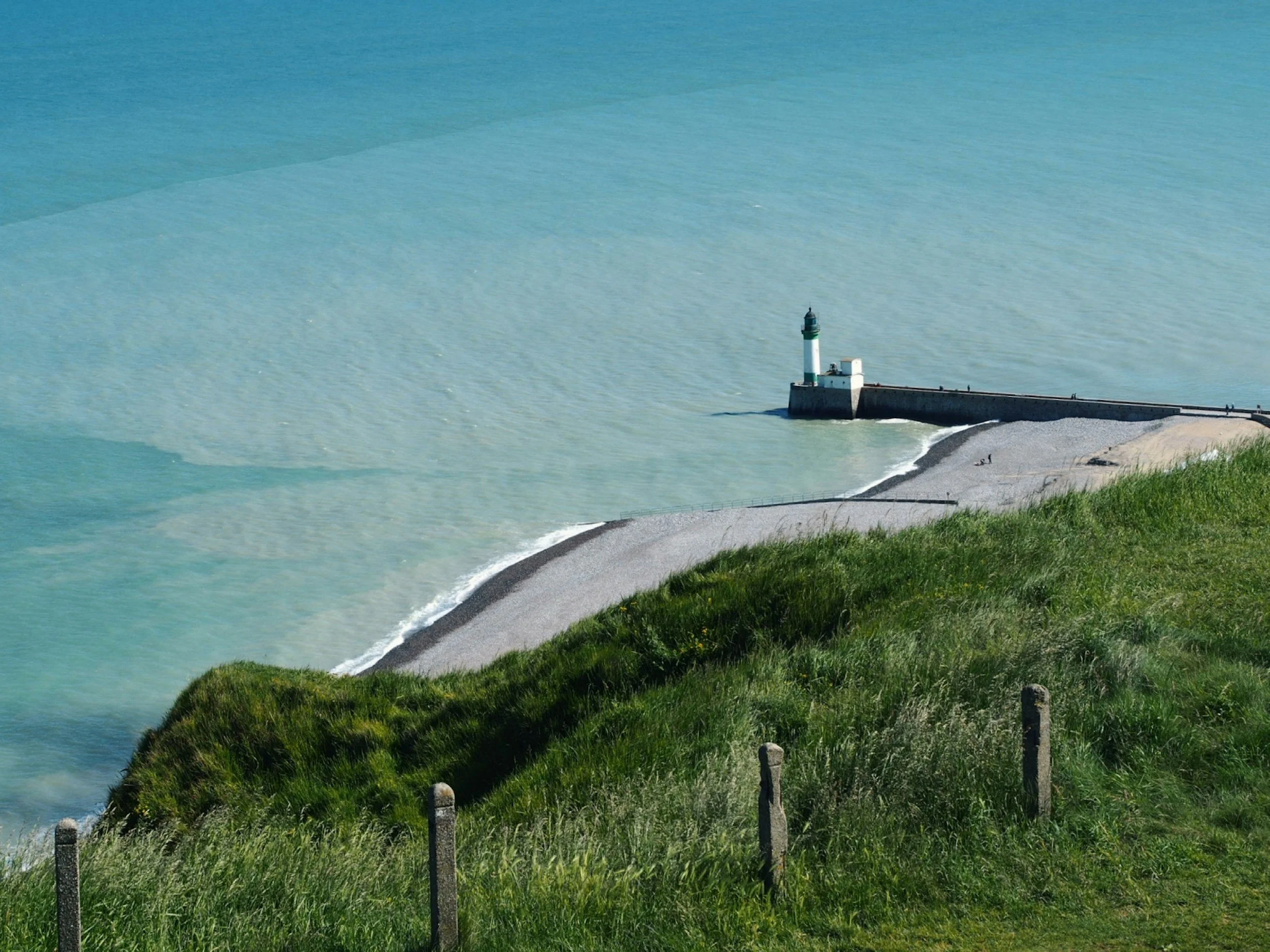
If you only have three days in Normandy, focus your itinerary geographically.
Spend the first day exploring Bayeux and its historic center, including the Bayeux Tapestry.
Dedicate the second day to the D-Day beaches. Depending on your interests, you could visit Omaha Beach, the Normandy American Cemetery, Pointe du Hoc, Arromanches, and one or more museums.
Use the third day for Mont-Saint-Michel.
This itinerary covers three of Normandy's biggest reasons to visit without attempting to cross the entire region.
Normandy in 5 Days
With five days, you can explore Normandy at a more comfortable pace.
Spend a day in Bayeux, followed by a full day visiting the D-Day beaches and memorial sites.
Use another day for Mont-Saint-Michel.
The remaining two days can be used for destinations such as Honfleur, Étretat, Rouen, or Caen depending on your interests.
If food is a priority, add a cider producer, cheese tasting, local market, or countryside restaurant along the way.
What to Pack for Normandy
Normandy's weather can be unpredictable, so layers are important throughout the year.
Bring a waterproof or water-resistant jacket even during warmer months. Comfortable walking shoes are essential for historic towns, museums, beaches, cliffs, and Mont-Saint-Michel.
During spring and fall, pack sweaters or other warm layers along with a light jacket.
Winter requires a warmer coat, hat, scarf, and clothing suitable for cold coastal winds.
During summer, bring sunscreen and lighter clothing but keep a jacket available for cooler mornings and evenings.
A reusable water bottle, small daypack, portable charger, and camera or smartphone are also useful for long sightseeing days.
Local Customs and Etiquette in Normandy
A few basic French customs can make your Normandy trip easier.
Say "bonjour" when entering shops, restaurants, and other businesses. In the evening, "bonsoir" is appropriate.
English is spoken in many tourist areas, but learning a few basic French phrases is helpful and appreciated.
Restaurant service is generally included in the bill in France, although leaving a small additional amount for good service is common.
When visiting churches, cemeteries, war memorials, and D-Day sites, be respectful of the setting and other visitors.
This is especially important at military cemeteries and memorial locations, which remain places of remembrance rather than simply tourist attractions.
Is Normandy Worth Visiting?
Normandy is absolutely worth visiting if you're interested in French history, World War II sites, medieval architecture, coastal scenery, small towns, and regional food.
Few regions of France combine such different experiences within a single trip. You can visit the D-Day beaches in the morning, explore a medieval town in the afternoon, eat Camembert and seafood for dinner, and spend the following day walking around Mont-Saint-Michel.
The main challenge is planning enough time. Normandy covers a larger area than many travelers realize, and trying to visit every major attraction as a day trip from Paris can result in a lot of time spent traveling.
Staying in Normandy for several nights provides a much better opportunity to experience the region.
Frequently Asked Questions About the Best Time to Visit Normandy
What Is the Best Month to Visit Normandy?
May, June, and September are among the best months to visit Normandy for a combination of comfortable weather, sightseeing conditions, and manageable crowds.
July and August are warmer but generally busier.
What Is the Best Time to Visit Normandy for D-Day History?
Early June is the most significant period because annual commemorations take place around the anniversary of D-Day on June 6.
For fewer crowds, visit the D-Day beaches during spring or fall.
What Is the Warmest Month in Normandy?
July and August generally have some of Normandy's warmest weather, with daytime temperatures often reaching the low to mid-20s Celsius.
Hotter periods are possible, but Normandy's coastal climate means temperatures can change quickly.
What Is the Rainiest Time in Normandy?
Rain is possible throughout the year because of Normandy's maritime climate. Fall and winter tend to bring wetter and more unsettled conditions, although showers can occur even during summer.
Pack some form of rain protection regardless of when you visit.
Is Normandy Crowded in June?
Normandy can be particularly busy in early June around the annual D-Day anniversary commemorations.
If you're visiting specifically for the events, the atmosphere and historical significance can make this an excellent time to go. If you're looking for quiet D-Day beaches and museums, choose another part of spring or fall.
Is Normandy Crowded in July and August?
July and August are peak travel months in Normandy. Mont-Saint-Michel, Étretat, Honfleur, the D-Day beaches, and popular coastal destinations can all become busy.
Booking hotels and major attractions in advance is recommended.
Is Normandy Worth Visiting in October?
Yes. October can be a good time to visit Normandy if you don't mind cooler temperatures and a greater chance of rain.
Crowds are generally smaller, and fall colors can make the countryside particularly enjoyable for road trips and photography.
Is Normandy Worth Visiting in Winter?
Normandy can be worth visiting in winter if you prioritize history, museums, and fewer crowds over warm weather.
Mont-Saint-Michel and the D-Day sites can be significantly quieter, but daylight hours are shorter and some seasonal businesses may have reduced hours.
Can You Visit Normandy as a Day Trip From Paris?
Yes, but a day trip limits how much you can see.
Rouen is relatively easy to visit from Paris by train. Organized day tours also travel from Paris to the D-Day beaches and Mont-Saint-Michel.
If you want to see several parts of Normandy, staying for at least two or three nights is a much better option.
Should You Stay in Bayeux or Caen?
Bayeux is generally more convenient if your main priority is the D-Day beaches and guided battlefield tours. It also has a smaller historic center and the Bayeux Tapestry.
Caen is a larger city with more transportation options and is home to the Caen Memorial Museum.
Both can work well as bases depending on your itinerary.
When Should You Visit Normandy?
For the best overall combination of weather, daylight, and sightseeing, late spring through early fall is the easiest time to visit Normandy.
June through August provides the warmest conditions, but it also brings the largest crowds. May and September are excellent alternatives if you'd like comfortable sightseeing weather with somewhat fewer visitors.
April and October are good choices for budget-conscious travelers and those who prioritize quieter attractions over warmer temperatures.
Winter offers an entirely different Normandy experience, with fewer visitors at many historic sites and a quieter atmosphere throughout the region.
The best time to visit Normandy ultimately depends on what matters most to you. Whether you're coming for the D-Day beaches, Mont-Saint-Michel, Étretat, Bayeux, Normandy's food and cider, or a road trip through northern France, each season offers a different way to experience the region.