Is Iceland Safe to Travel? Complete Iceland Safety Guide
Is Iceland safe to travel? For most visitors, Iceland is a very safe travel destination, with low levels of violent crime and relatively little concern about theft compared with many major tourist destinations. However, the biggest safety risks in Iceland often come from the country's natural environment rather than crime.
Rapidly changing weather, strong winds, icy roads, powerful ocean waves, glaciers, volcanic activity, and remote hiking areas all require travelers to pay attention to local conditions. Iceland is an easy country to explore when you're prepared, but its landscapes shouldn't be underestimated.
Recent volcanic activity on the Reykjanes Peninsula has also raised questions about whether Iceland is safe to visit right now. The most recent eruption ended in August 2025, and there is currently no ongoing volcanic eruption in Iceland. Previous Reykjanes eruptions were localized and did not disrupt international air travel, although conditions around Grindavík and volcanic areas can change.
If you're planning an Iceland vacation, here's what you should know about crime, Reykjavík safety, volcanoes, driving, winter weather, hiking, solo travel, emergency services, and other common Iceland travel safety concerns.
Is Iceland Safe to Visit Right Now?
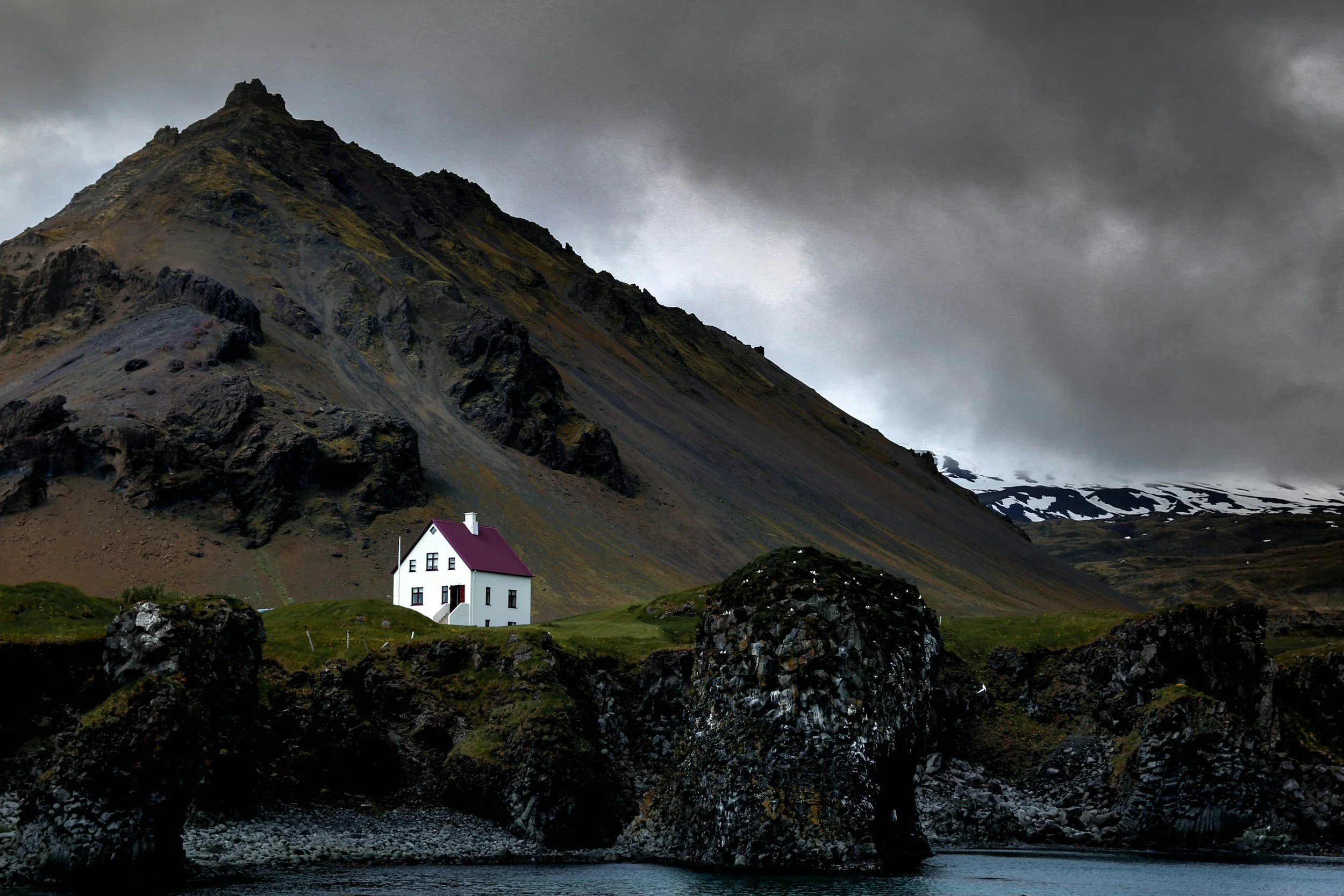
Yes, Iceland remains open to visitors and the country's major tourist destinations continue to operate normally.
Volcanic activity on the Reykjanes Peninsula has received significant international attention in recent years. The eruptions have occurred in localized areas of southwest Iceland, and previous events have not caused widespread disruption across the country or shut down international air travel.
That doesn't mean travelers should ignore volcanic activity. Iceland is geologically active, and conditions can change. If your itinerary includes the Reykjanes Peninsula, Grindavík, or areas around recent eruption sites, check official conditions before traveling.
SafeTravel Iceland is the country's official travel-safety resource operated by the Icelandic Association for Search and Rescue and provides current alerts about weather, roads, hiking areas, and volcanic conditions.
Is Iceland One of the Safest Countries in the World?
Iceland is widely considered one of the world's safest countries. Serious violent crime is uncommon, and travelers generally don't need to take the same level of precautions against crime that may be necessary in some larger international cities.
For tourists, everyday concerns such as pickpocketing, robbery, and violent crime are relatively uncommon. That doesn't mean crime is nonexistent, and normal precautions still make sense.
Keep track of your wallet, phone, passport, and luggage, particularly in busy tourist areas. Lock rental cars and accommodations, and don't leave valuable belongings unattended.
The more important point for most visitors is that Iceland travel safety involves much more than crime. Weather, roads, hiking conditions, and natural attractions generally require more planning than personal security.
Is Reykjavík Safe?
Reykjavík is generally a safe city for tourists, including visitors walking around the city center.
Most of central Reykjavík is compact and easy to explore on foot. Restaurants, shops, museums, hotels, and nightlife are concentrated around the central area, making it relatively straightforward to get around without a car.
As in any city, use normal precautions at night, particularly around bars and nightlife areas. Keep track of personal belongings and pay attention to your surroundings.
The Icelandic Police can be reached through the national emergency number 112 when immediate assistance is required.
Understanding Iceland's Geography
Iceland is a relatively small country by population, but its attractions are spread across a large island. Reykjavík is located in southwest Iceland, while many of the country's most popular natural attractions require driving considerable distances outside the capital.
The Golden Circle is east of Reykjavík and includes Þingvellir National Park, the Geysir geothermal area, and Gullfoss. Iceland's South Coast continues toward waterfalls, black sand beaches, glaciers, and eventually Jökulsárlón Glacier Lagoon.
The Ring Road circles much of Iceland and connects many towns and major regions. Northern Iceland includes destinations such as Akureyri and Lake Mývatn, while the Eastfjords and Westfjords are much more remote.
The Reykjanes Peninsula, where recent volcanic activity has occurred, is southwest of Reykjavík and is also where Keflavík International Airport is located. Volcanic activity has been confined to specific areas rather than affecting Iceland as a whole.
This geography matters when considering safety. A problem in one part of Iceland does not necessarily affect another region hundreds of miles away.
Is Iceland Safe With the Volcanoes?
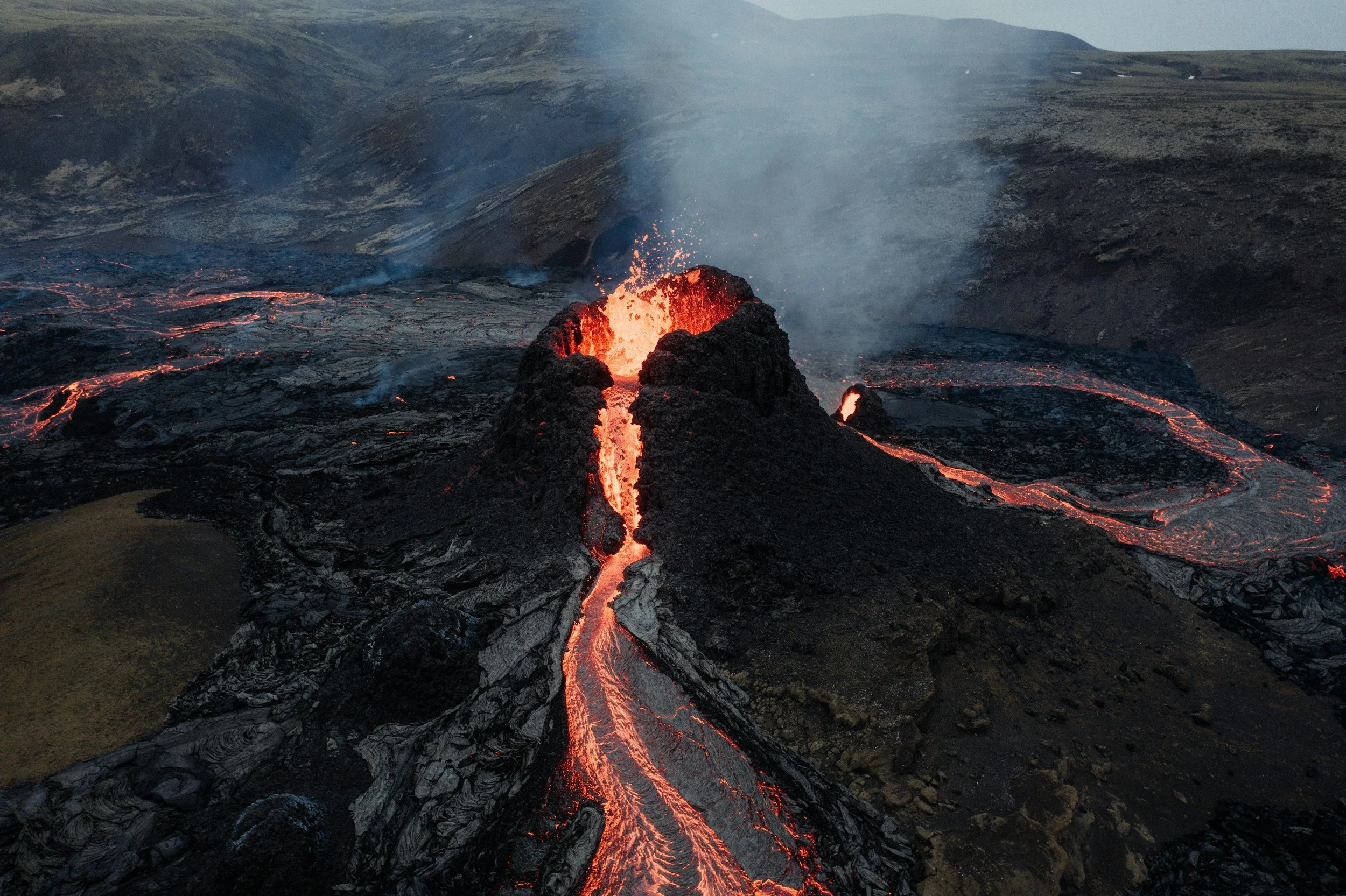
Iceland's volcanic activity is one of the biggest concerns for travelers researching whether Iceland is safe to visit.
Since December 2023, the Reykjanes Peninsula has experienced a series of eruptions. The most recent eruption began on July 16, 2025 near the Sundhnúkur crater row north of Grindavík and officially ended on August 5, 2025. According to Visit Iceland, there is currently no ongoing volcanic eruption.
During previous eruptions, authorities evacuated affected locations as necessary, while airports and most of Iceland continued operating normally. The eruptions were concentrated around specific areas of the Reykjanes Peninsula.
Travelers should never enter closed eruption zones or walk onto new lava. Even when the surface appears solid, newly formed lava can remain extremely hot and unstable underneath.
Check official information before traveling into an area affected by recent volcanic activity.
Will Iceland's Volcanoes Affect Your Flight?
Recent Reykjanes eruptions have generally not affected flights to and from Iceland.
Visit Iceland reports that previous eruptions on the Reykjanes Peninsula did not affect international air travel and that Iceland's airports continued operating normally.
This is different from Iceland's 2010 Eyjafjallajökull eruption, which produced an ash cloud that caused major disruption to European aviation.
Not every volcanic eruption behaves the same way. Travelers should check their airline and official Icelandic sources if volcanic conditions change close to their departure date.
Iceland Weather Safety
Weather is one of the most important safety considerations when visiting Iceland.
Conditions can change quickly. A day that begins with sunshine can bring rain, snow, fog, or strong winds later, depending on the season and location.
Wind is especially important. Strong winds can make driving difficult, particularly for campervans and other vehicles with large sides. As of October 1, 2026, for example, SafeTravel issued a warning for strong winds of 15 to 25 meters per second with gusts up to 35 meters per second across parts of Iceland.
That doesn't mean Iceland is generally unsafe because of the weather. It means you should check conditions every day rather than relying on the forecast you saw before your trip.
Leave flexibility in your Iceland itinerary. If authorities recommend changing plans because of wind, snow, flooding, or another weather event, take the warning seriously.
Is Iceland Safe in Winter?
Iceland can be safe to visit in winter, but winter travel requires more preparation.
Snow, ice, high winds, limited daylight, and sudden changes in visibility can make driving significantly more difficult than during summer. SafeTravel specifically warns that winter driving requires extra caution because of snow, ice, and reduced visibility.
If you're uncomfortable driving in snow or ice, consider basing yourself in Reykjavík and taking guided tours instead of renting a car.
Winter storms can also close roads or force changes to planned tours. Build some flexibility into your itinerary instead of scheduling long drives immediately before your return flight.
The advantage of winter is the chance to see the Northern Lights, experience snowy landscapes, visit ice caves with qualified guides, and explore Iceland during one of its quieter seasons.
Driving in Iceland Safely
Renting a car is one of the most popular ways to explore Iceland, but driving conditions can be very different from what many international visitors are accustomed to.
The Ring Road and major roads are generally straightforward during good conditions. Rural roads may be narrow, unpaved, steep, or exposed to wind.
Weather can also change conditions rapidly.
Check road and weather conditions before starting a long drive, even if the weather looks fine where you are.
Don't assume that a drive will take the same amount of time shown by a navigation app during poor weather. Give yourself extra time and be prepared to change plans.
Driving the Ring Road Safely
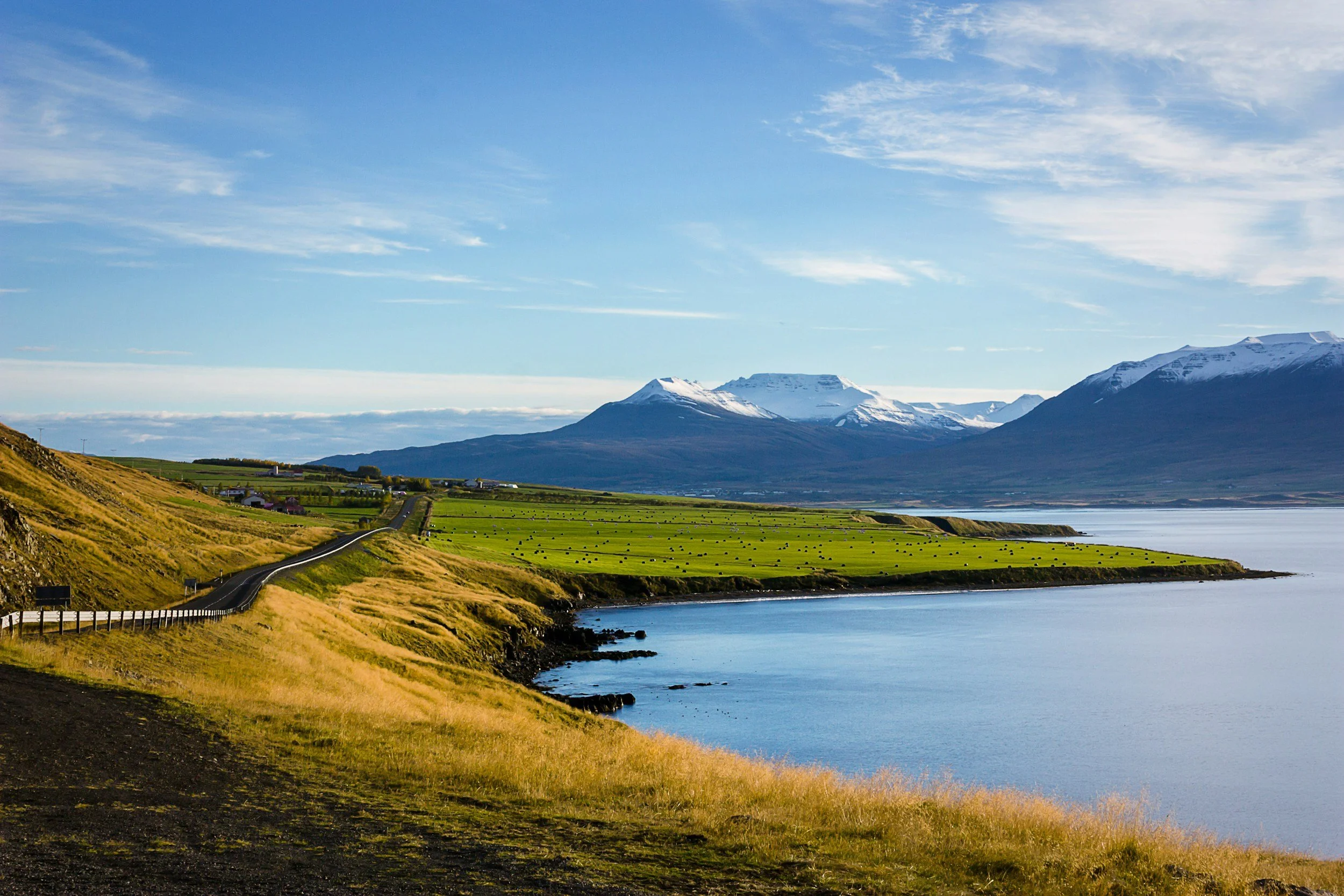
Iceland's Ring Road, officially Route 1, circles much of the country and connects many of its most popular regions.
Driving the Ring Road is generally straightforward in summer, although weather, construction, animals, and road conditions can still cause delays.
Winter is very different. Snow, ice, wind, and temporary road closures can make sections more difficult or occasionally impassable.
If you're planning a Ring Road trip, don't create an itinerary that depends on driving long distances every single day. Leaving extra time gives you room to adjust when conditions change.
Also remember that Iceland's most scenic destinations aren't always directly beside Route 1. Side roads can have different conditions from the main highway.
F-Road Safety in Iceland
Iceland's F-roads provide access to the Highlands and some of the country's most remote landscapes.
These roads are not ordinary highways. Conditions can include rough gravel, steep sections, river crossings, and limited services.
Many F-roads require a suitable 4x4 vehicle, and rental-car restrictions may determine where your vehicle can legally be driven.
F-roads are also seasonal. Many remain closed until conditions allow them to open during the warmer months.
If your Iceland itinerary includes the Highlands, check current road conditions and vehicle requirements rather than relying solely on a map or navigation app.
Off-Road Driving in Iceland
Off-road driving is prohibited in Iceland.
Driving outside established roads and tracks can permanently damage fragile vegetation and volcanic landscapes.
Don't follow tire tracks simply because another vehicle has driven somewhere. Stick to designated roads and parking areas.
This rule protects Iceland's environment and also reduces the chance of becoming stranded in terrain that isn't suitable for vehicles.
Sheep on Iceland's Roads
Sheep are common throughout rural Iceland and can appear close to or directly on roads.
Slow down when you see sheep near the roadway. They can move unpredictably, particularly when a vehicle approaches.
This is another reason to avoid driving excessively fast on rural roads even when traffic is light.
Is Public Transportation Safe in Iceland?
Public transportation in Iceland is generally safe.
Strætó operates public bus services in Reykjavík and routes connecting communities around Iceland. Crime aboard public transportation is not a major concern for most visitors.
The bigger limitation is availability. Public transportation outside Reykjavík is much less extensive than systems you may find elsewhere in Europe.
Schedules can also be less frequent in remote areas and during certain seasons.
If you're planning to explore Iceland without a rental car, research your route before booking accommodations. Guided day tours are often an easier way to visit major natural attractions from Reykjavík.
Hiking Safety in Iceland
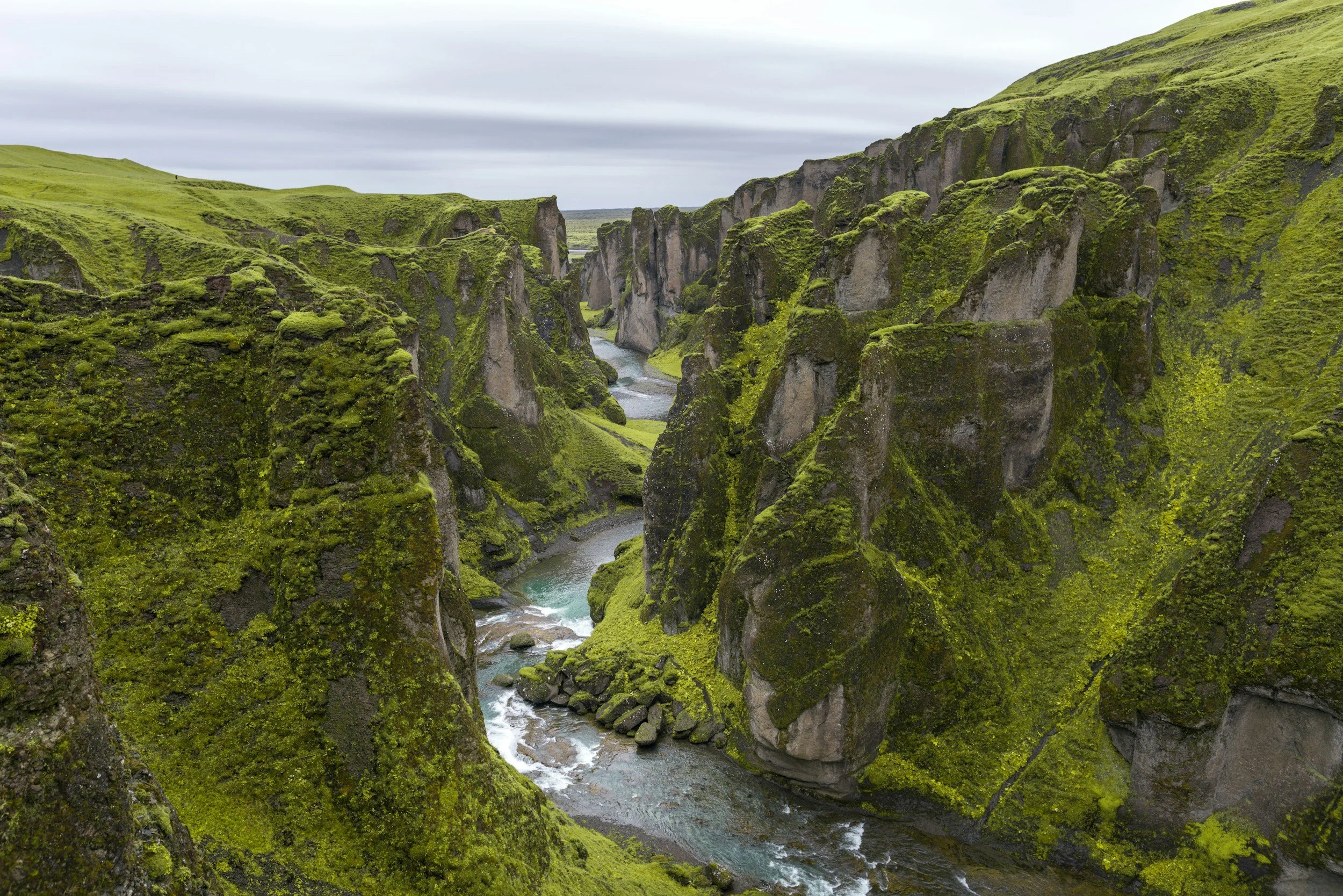
Hiking is one of the best ways to experience Iceland, but conditions can change rapidly even on popular trails.
Check the weather and current trail conditions before leaving. Wear appropriate footwear and bring layers, rain protection, food, water, and a charged phone.
Stay on marked trails where required. Unstable ground, cliffs, geothermal areas, rivers, glaciers, and rapidly changing weather can create hazards that aren't always obvious.
If you're hiking in a remote area, tell someone where you're going and when you expect to return.
SafeTravel also allows travelers to submit a travel plan so that important information is available if search and rescue assistance becomes necessary.
Use the SafeTravel Iceland App
One of the most useful resources for an Iceland road trip or hiking vacation is the official SafeTravel service.
The SafeTravel app provides information about current weather and road conditions. For hikers and trekkers, it can also send your GPS location to Iceland's 112 emergency services if assistance is required.
This is particularly useful if you're traveling beyond Reykjavík into rural or remote parts of Iceland.
Check it regularly rather than only when you first arrive.
Glacier Safety in Iceland
Iceland's glaciers are incredible to see, but you should not walk onto a glacier without the appropriate experience and equipment.
Glaciers contain crevasses, unstable ice, steep terrain, and conditions that can change without warning.
The risks aren't always visible from the surface.
Conditions can also change as glaciers retreat. SafeTravel currently warns that conditions around Sólheimajökull have changed rapidly, creating hazards around unstable ice and glacial lagoons, and recommends visiting the glacier with an experienced guide.
If you want to hike on a glacier, book a guided glacier tour with a qualified operator.
Black Sand Beach Safety
Iceland's black sand beaches are some of the country's most famous attractions, but the ocean can be dangerous.
Powerful waves can reach much farther onto shore than visitors expect. Never turn your back on the ocean or stand too close to the water simply to take a photo.
Follow warning signs and any local safety instructions.
This is particularly important at exposed beaches where waves and currents can be extremely strong.
Give the shoreline considerably more space than you think you need.
Waterfall Safety in Iceland
Waterfalls are another major part of an Iceland vacation, and many have designated paths and viewing areas.
Stay behind barriers and follow marked trails. Wet rocks, ice, mud, and steep drops can create dangerous conditions.
During winter, paths around waterfalls may become icy even when nearby roads are clear.
Waterfall spray can also make surfaces slippery throughout the year.
Good waterproof shoes with traction are useful if waterfalls are a major part of your Iceland itinerary.
Geothermal Area Safety
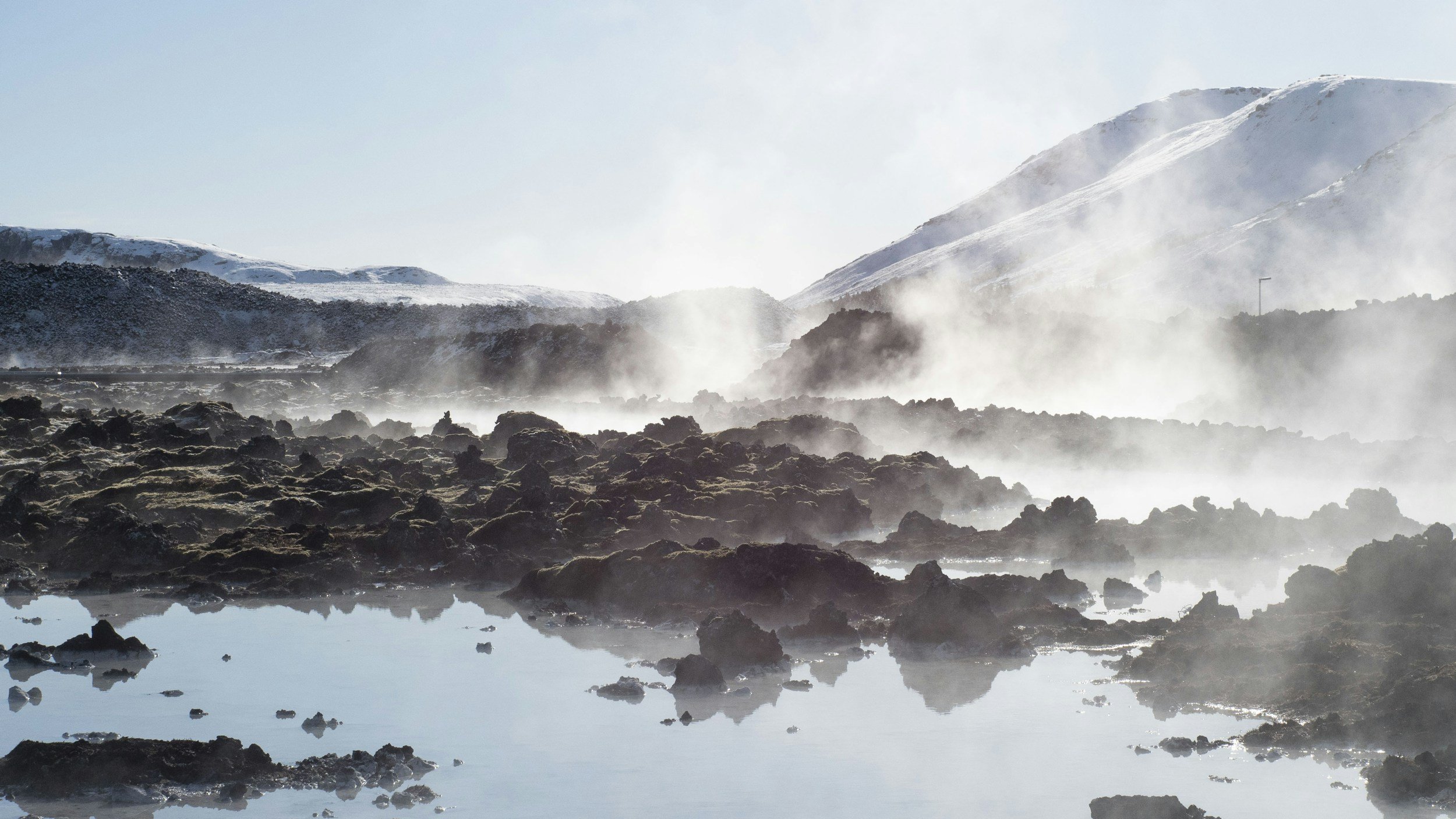
Iceland's geothermal areas can contain boiling water, steam vents, and extremely hot ground.
Stay on marked paths and boardwalks and don't cross barriers.
Ground that appears solid may be unstable or dangerously hot.
This applies to famous geothermal attractions as well as smaller geothermal areas you may encounter during a road trip.
Camping Safely in Iceland
Camping is a popular way to explore Iceland, particularly during summer.
Use designated campsites whenever required and follow local camping regulations.
Weather is an important consideration when camping. Iceland can experience strong winds even during summer, so tents need to be properly secured.
Avoid setting up near unstable cliffs, flood-prone areas, or other natural hazards.
Bring clothing and sleeping equipment suitable for colder conditions than you might expect based on daytime temperatures.
If you're traveling by campervan, pay particular attention to wind warnings because high-sided vehicles can be difficult to control in strong crosswinds.
Is Iceland Safe for Solo Travelers?
Iceland is generally considered a good destination for solo travel.
Low crime and a well-developed tourism industry make Reykjavík and many popular tourist areas relatively easy to navigate alone.
However, solo travelers need to take outdoor safety especially seriously.
If you're hiking alone or driving through remote regions, tell someone your plans. Consider submitting a travel plan through SafeTravel before remote hikes or longer outdoor trips.
Keep your phone charged and carry a portable charger.
Don't rely on having mobile coverage everywhere. SafeTravel notes that coverage is generally good around Iceland's coastline but can be limited in areas such as deep valleys, narrow canyons, and parts of the Highlands.
Is Iceland Safe for Female Travelers?
Iceland is generally a popular destination for women traveling alone.
The same basic precautions that apply elsewhere still make sense, particularly when going out at night or meeting people you don't know.
For many solo female travelers, the larger safety consideration will again be Iceland's environment.
Avoid hiking alone in poor conditions, tell someone where you're going when traveling into remote areas, and don't take unnecessary risks around cliffs, waterfalls, beaches, or glaciers.
Is Iceland Safe for Families?
Iceland can be an excellent destination for families.
Popular attractions such as waterfalls, geysers, geothermal pools, museums, whale-watching tours, and scenic road trips offer options for many different ages.
Families should pay particular attention around natural attractions. Many Icelandic landscapes don't have the extensive fencing or barriers visitors may expect.
Keep children close near cliffs, waterfalls, beaches, geothermal areas, and other natural hazards.
Weather can also affect young children more quickly, so pack warm and waterproof layers even during summer.
Iceland Wildlife Safety
Iceland doesn't have the same dangerous land animals found in many other outdoor destinations.
Wildlife safety is primarily about protecting animals and keeping a respectful distance.
Puffins and other seabirds nest around cliffs, so avoid approaching nests or stepping too close to cliff edges while trying to take photos.
Sheep and Icelandic horses are common in rural areas. Don't approach or feed animals without permission.
Seals and other marine wildlife should also be observed from a distance.
Healthcare in Iceland
Iceland has a developed healthcare system with hospitals, health centers, and pharmacies.
Landspítali University Hospital in Reykjavík provides major hospital and emergency services. Healthcare centers are also located around the country.
For urgent health advice that isn't an emergency, Iceland's healthcare system provides telephone assistance. In an emergency, call 112.
Travel insurance is recommended because medical treatment abroad can result in unexpected expenses depending on your nationality and coverage.
Bring enough prescription medication for your entire trip, along with any documentation you may need.
Iceland Emergency Number
The emergency number in Iceland is 112.
Call 112 for police, fire, medical emergencies, search and rescue, or other immediate emergencies.
SafeTravel currently also advises travelers to save +354 599 0112 as a backup because Iceland's 2G and 3G network shutdown may affect some devices' ability to connect properly to 112.
Keep your phone charged while traveling, particularly during road trips and hikes.
Travel Insurance for Iceland
Travel insurance is worth considering for an Iceland vacation because weather can affect flights, roads, tours, and outdoor activities.
Look at coverage for emergency medical care, trip interruption, cancellations, baggage problems, rental cars, and the outdoor activities you're planning.
Don't assume every activity is automatically covered. Glacier hiking, skiing, snowmobiling, or other adventure activities may have different insurance requirements.
If your credit card includes travel insurance, review the actual benefits before deciding whether you need additional coverage.
Iceland Accommodation Safety
Hotels and guesthouses in Iceland generally provide a safe environment for travelers.
Use the same basic precautions you would anywhere else. Lock your room, secure passports and valuables, and review emergency exit information.
If you're staying in a remote guesthouse, ask your host about local road and weather conditions when necessary. Local knowledge can be particularly useful during winter or periods of severe weather.
Accommodation staff can also help with nearby medical services or local assistance if something unexpected happens.
Iceland Laws Tourists Should Know
Following Iceland's laws and local rules is straightforward for most visitors.
Off-road driving is prohibited because it can damage Iceland's fragile landscape.
Follow restrictions around protected natural areas, parking, camping, and drones.
Alcohol laws and purchasing rules may also differ from what you're accustomed to at home.
At natural attractions, signs and barriers aren't suggestions. They're often placed because conditions have caused problems or accidents in the past.
Iceland Culture and Etiquette
Icelanders generally value personal space, privacy, and respectful behavior.
English is widely spoken, so most international travelers have little difficulty communicating.
A simple "Halló" works as a greeting, although speaking Icelandic isn't expected of visitors.
Be respectful in public places, at swimming pools, restaurants, and around residential areas.
One particularly important custom involves Iceland's geothermal swimming pools. Visitors are generally expected to shower thoroughly without a swimsuit before entering the pool. Follow the posted instructions at each facility.
How to Stay Safe During an Iceland Road Trip
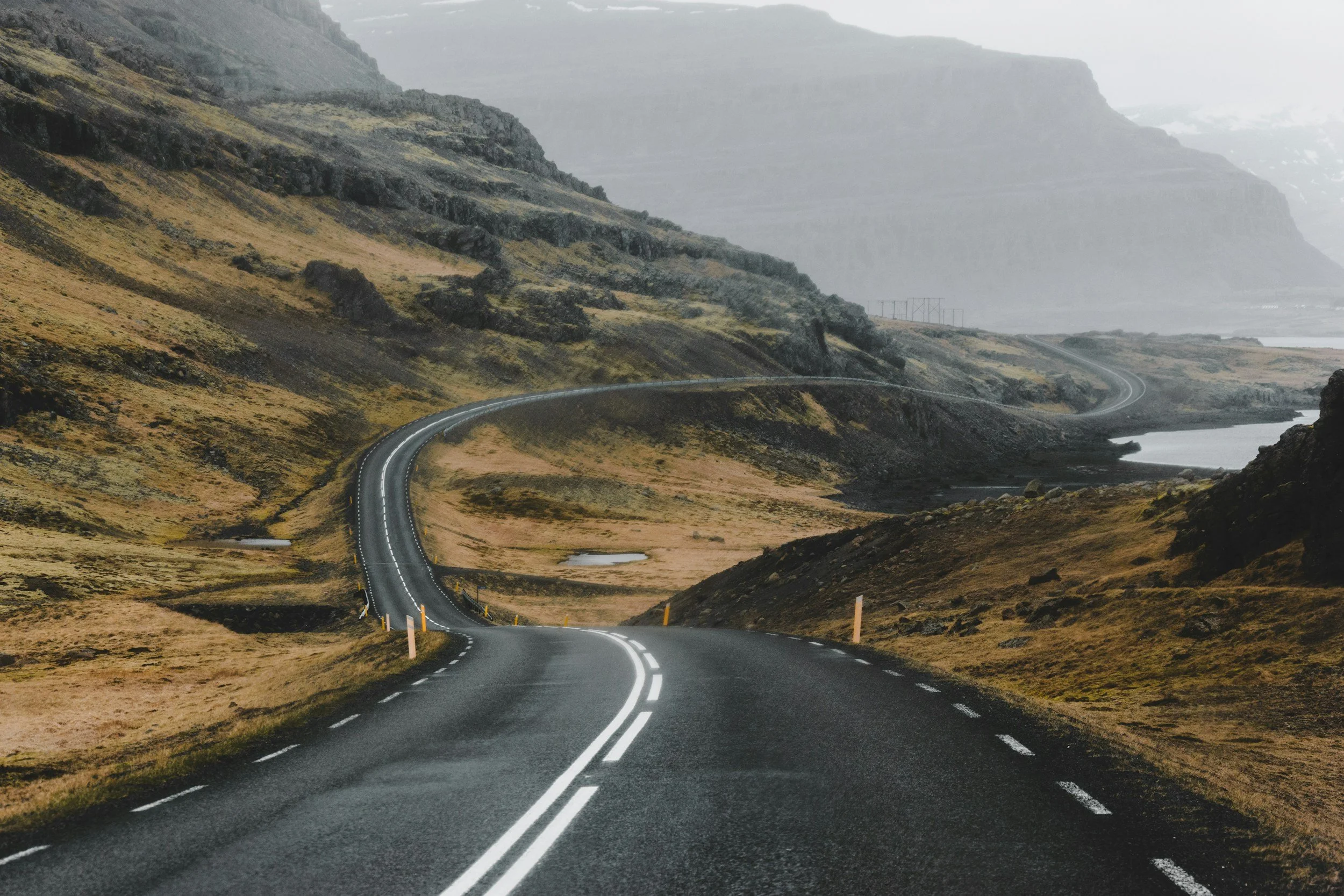
A few simple habits can make a major difference during an Iceland road trip.
Check SafeTravel and current road conditions each morning before leaving. Don't assume that yesterday's conditions will still apply today.
Keep the vehicle fueled, particularly when traveling into remote areas where gas stations are farther apart.
Carry water, snacks, warm clothing, and a charged phone.
Don't schedule excessively long drives during winter when daylight is limited.
If conditions deteriorate, change your plans rather than trying to stay on schedule.
What to Pack for a Safe Iceland Trip
Pack for changing conditions rather than relying entirely on the season.
A waterproof outer layer is useful throughout the year. Bring warm layers, sturdy walking shoes, and clothing that can handle wind and rain.
A portable charger is particularly useful during long road trips and hikes.
If you're visiting during winter, bring appropriate cold-weather clothing and footwear with good traction.
During summer, remember that Iceland can still feel cold, wet, and windy. A warm layer and waterproof jacket should remain part of your packing list.
Safety Tips for Visiting Iceland
Most Iceland safety advice comes down to preparation and respecting the environment.
Check weather and road conditions daily, especially before long drives. Follow closures and warnings even if conditions don't appear dangerous where you're currently standing.
Stay on marked trails, keep away from cliff edges, and respect barriers around geothermal areas.
Never walk onto a glacier without the appropriate equipment and experience or a qualified guide.
Give ocean waves plenty of space at beaches and never turn your back on rough surf.
Keep your phone charged and save 112 as Iceland's emergency number.
If you're hiking in a remote area, leave a travel plan with someone who can respond if you don't return when expected.
And most importantly, be willing to change your itinerary. Iceland will still be there tomorrow.
Frequently Asked Questions About Iceland Safety
Is Iceland Safe for Tourists?
Yes. Iceland is generally a very safe destination for tourists, with low levels of serious crime.
The main risks for visitors are often associated with weather, driving, hiking, glaciers, beaches, and other natural conditions rather than crime.
Is Reykjavík Safe at Night?
Central Reykjavík is generally safe at night, although normal precautions still apply.
Keep track of personal belongings, stay aware of your surroundings, and use the same judgment you would when visiting another unfamiliar city.
Is Iceland Safe With the Current Volcanic Activity?
There is currently no ongoing volcanic eruption in Iceland according to the latest official Visit Iceland information. The most recent eruption on the Reykjanes Peninsula ended on August 5, 2025.
Conditions can change, so check current official alerts before visiting volcanic areas.
Is the Blue Lagoon Safe to Visit?
The Blue Lagoon is located on the Reykjanes Peninsula, the same region that has experienced recent volcanic activity.
Operations can be affected when authorities determine conditions require evacuations or closures. Check the attraction's current operating status and official Icelandic safety alerts before traveling there.
A closure or evacuation is a safety measure and doesn't necessarily mean the rest of Iceland is affected.
Is Keflavík Airport Safe From Iceland's Volcanoes?
Keflavík International Airport has continued operating during the recent Reykjanes volcanic events. Visit Iceland states that previous eruptions in the region have not affected international air travel.
Conditions should still be checked if volcanic activity changes.
Is It Safe to Drive in Iceland?
Yes, provided you drive for the conditions.
Summer driving is generally easier, while winter brings snow, ice, high winds, reduced visibility, and shorter daylight hours.
Check conditions every day and don't drive on a closed road.
Is Iceland Safe in December?
Iceland can be safe to visit in December, but travelers need to prepare for winter conditions.
Expect short daylight hours and the possibility of snow, ice, wind, storms, and road closures.
If you don't have experience driving in winter conditions, organized tours may be a better choice.
Is Iceland Safe in Summer?
Summer is generally one of the easiest times to travel around Iceland.
Days are extremely long, most major roads are accessible, and winter driving hazards are reduced.
However, summer still brings strong winds, rain, rapidly changing weather, cliff hazards, dangerous ocean conditions, and other natural risks.
Is Tap Water Safe to Drink in Iceland?
Yes. Iceland's tap water is generally safe to drink, so bringing a reusable water bottle can reduce the need to buy bottled water throughout your trip.
Cold tap water is the normal choice for drinking.
Do I Need Travel Insurance for Iceland?
Travel insurance isn't necessarily required for every traveler, but it can be useful.
Weather can disrupt transportation and activities, and medical emergencies abroad can become expensive.
Review your existing insurance and credit card benefits before deciding what additional coverage you need.
What Number Do You Call in an Emergency in Iceland?
Call 112 for emergencies in Iceland, including police, fire, ambulance, and search and rescue.
SafeTravel currently recommends saving +354 599 0112 as a backup number in case network changes interfere with a 112 call.
Is Iceland Safe to Travel?
Yes, Iceland is generally a safe country to visit. Low crime makes personal safety less of a concern for most tourists than it is in many destinations, and Iceland has established emergency, healthcare, and search-and-rescue systems.
The part travelers shouldn't overlook is Iceland's natural environment. Weather can change quickly, roads can become difficult, ocean waves can be powerful, glaciers require specialized knowledge, and volcanic conditions can occasionally affect specific areas.
None of that should discourage you from visiting. It simply means an Iceland trip rewards preparation.
Check official conditions, respect closures, dress for the weather, drive carefully, and give Iceland's natural attractions the space they deserve. With those basic precautions, you can focus on what brings millions of travelers to Iceland in the first place: waterfalls, glaciers, volcanoes, black sand beaches, geothermal landscapes, the Northern Lights, and one of Europe's most unusual road-trip destinations.