Barcelona vs Lisbon: Which European City Should You Visit?
Barcelona vs Lisbon is a common decision for travelers planning a trip to Spain or Portugal. Both cities offer historic neighborhoods, great food, beaches, nightlife, warm weather, and plenty of things to do, but the experience of visiting each city is noticeably different.
Barcelona is known for Antoni Gaudí's architecture, wide boulevards, Mediterranean beaches, Catalan culture, and a larger, busier city atmosphere. Lisbon is built around hills overlooking the Tagus River, with tiled buildings, historic trams, viewpoints, Portuguese food, and compact neighborhoods that each have their own character.
If you're deciding between Lisbon or Barcelona for a European vacation, there isn't one destination that works for every traveler. Your choice will depend on whether you want major architecture and attractions, beaches, nightlife, food, day trips, walkability, costs, or a more relaxed city break. Here's what to know when comparing Barcelona vs Lisbon, including how the cities are laid out, things to do, beaches, food, public transportation, weather, nightlife, costs, and how many days you should spend in each.
Barcelona vs Lisbon: Understanding the Two Cities
Before comparing individual attractions, it helps to understand what Barcelona and Lisbon are actually like as cities. Barcelona is located on Spain's Mediterranean coast in Catalonia. It's a large city with the Mediterranean Sea on one side and hills, including the Collserola range, on the other. Barcelona has a mix of medieval streets, planned residential neighborhoods, beaches, parks, and major commercial areas.
Lisbon is Portugal's capital and sits along the Tagus River near the Atlantic Ocean. The historic city is famous for its hills, steep streets, staircases, viewpoints, trams, and neighborhoods built at different elevations. Both are coastal European cities, but their layouts feel very different once you start exploring.
How Barcelona Is Laid Out
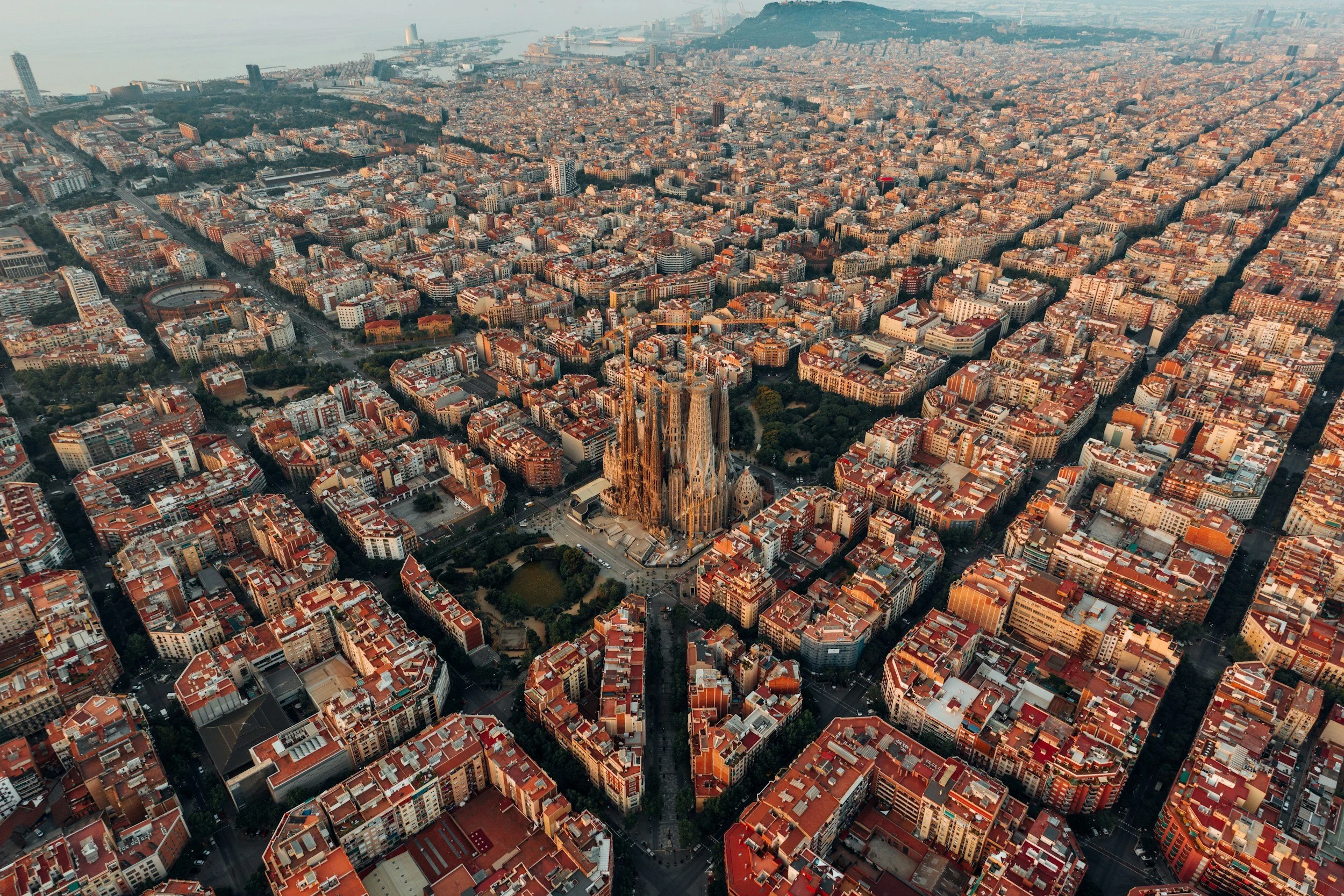
Barcelona is relatively easy to understand once you get familiar with its main neighborhoods. The Gothic Quarter and neighboring El Born form part of the city's historic core, with narrow streets, plazas, churches, shops, bars, and restaurants. Just outside the old city is Eixample, which is immediately recognizable on a map because of its large street grid and blocks with clipped corners.
Many of Barcelona's most famous attractions are spread across Eixample and surrounding neighborhoods. The Sagrada Família sits northeast of the historic center, while Casa Batlló and Casa Milà are located along Passeig de Gràcia. The city then extends toward the Mediterranean, where Barceloneta and several other beaches run along the waterfront.
Montjuïc rises southwest of the center and contains museums, gardens, Olympic sites, viewpoints, and Montjuïc Castle. Because much of central Barcelona is relatively flat and organized around a street grid, getting between neighborhoods can feel straightforward. The metro also makes it easy to cover longer distances.
How Lisbon Is Laid Out
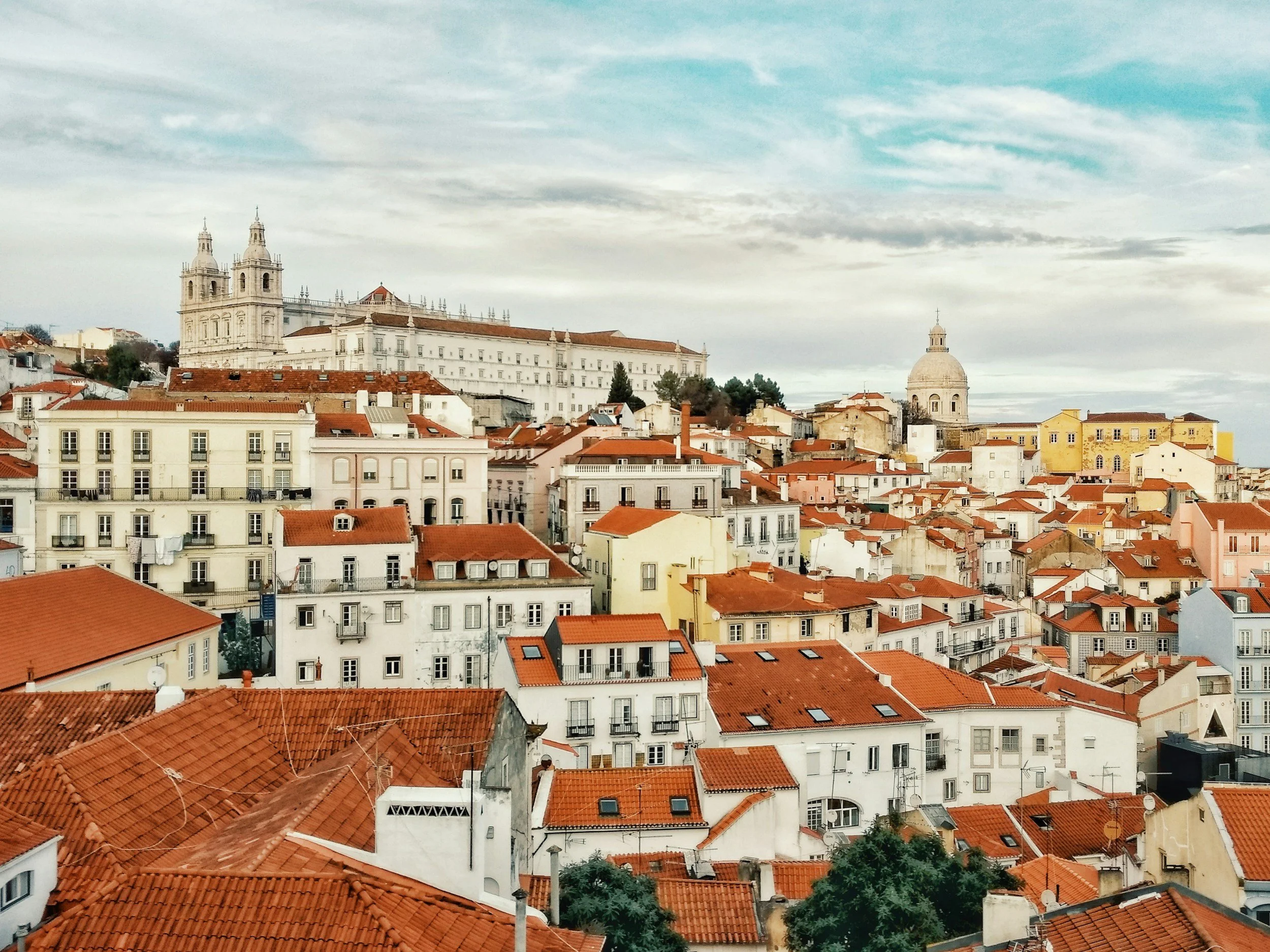
Lisbon is more compact in some ways, but its hills make distances feel longer than they look on a map. Baixa is the relatively flat downtown area between several of Lisbon's hills. The neighborhood was largely rebuilt after the devastating 1755 earthquake and has an organized street grid that contrasts with the older neighborhoods around it.
To the east, Alfama climbs uphill through narrow streets and stairways toward Castelo de São Jorge. Graça sits higher above the city and is home to several popular viewpoints. West of Baixa, Chiado is a busy shopping and dining district, while Bairro Alto sits uphill and becomes one of Lisbon's main nightlife areas after dark.
Belém is farther west along the Tagus River and feels somewhat separate from central Lisbon. This is where you'll find Belém Tower, Jerónimos Monastery, the Monument to the Discoveries, and Pastéis de Belém. Lisbon's hills are an important part of the experience. You may walk only a short distance geographically but climb steep streets or staircases along the way, so trams, funiculars, elevators, buses, and the metro can save a lot of walking.
Barcelona vs Lisbon at a Glance
Barcelona is generally a good fit if your priorities include Gaudí architecture, major museums, Mediterranean beaches within the city, a large nightlife scene, extensive public transportation, and a long list of internationally famous attractions. Lisbon is particularly appealing if you want historic neighborhoods, viewpoints, Portuguese food, traditional trams, riverfront areas, easy day trips, and a city that can feel more compact despite its hills.
Both cities are good choices for a first trip to Europe, a long weekend, or part of a larger Spain or Portugal itinerary. The biggest difference is the style of the trip: Barcelona has more major attractions spread across a larger urban area, while Lisbon is often explored neighborhood by neighborhood.
Barcelona vs Lisbon for History
Both Barcelona and Lisbon have histories stretching back thousands of years. Barcelona's history dates back more than 2,000 years, with the Roman settlement of Barcino occupying part of what is now the Gothic Quarter. Remnants of Roman Barcelona can still be found around the historic center.
Barcelona later became an important Mediterranean trading center and the capital of Catalonia. The city's modern appearance was heavily influenced by its 19th-century expansion. Eixample was developed beyond the old medieval city, creating the recognizable grid that now contains some of Barcelona's best-known Modernisme architecture. Antoni Gaudí became one of the movement's most famous architects, designing landmarks including the Sagrada Família, Park Güell, Casa Batlló, and Casa Milà. Barcelona's history is also closely tied to Catalan identity, language, art, politics, and traditions.
Lisbon also has an extremely long history and was influenced by Phoenician, Roman, Moorish, and Christian rule. Portugal's Age of Discoveries during the 15th and 16th centuries transformed Lisbon into an important maritime center, with Portuguese explorers departing on voyages that established trade routes connecting Europe with Africa, Asia, and the Americas.
Vasco da Gama is closely associated with this period, and several landmarks in Belém reflect Portugal's maritime history. The 1755 Lisbon earthquake, fires, and tsunami destroyed much of the city. The rebuilding effort that followed created the organized streets and Pombaline architecture seen throughout Baixa today, while older areas such as Alfama retained more of their maze of narrow streets.
Barcelona vs Lisbon: Things to Do
Both cities can easily fill several days, but Barcelona has a particularly large concentration of major attractions. The Sagrada Família is Barcelona's most recognizable landmark and one of the city's most popular attractions. Gaudí began work on the basilica in 1882, and construction has continued long after his death.
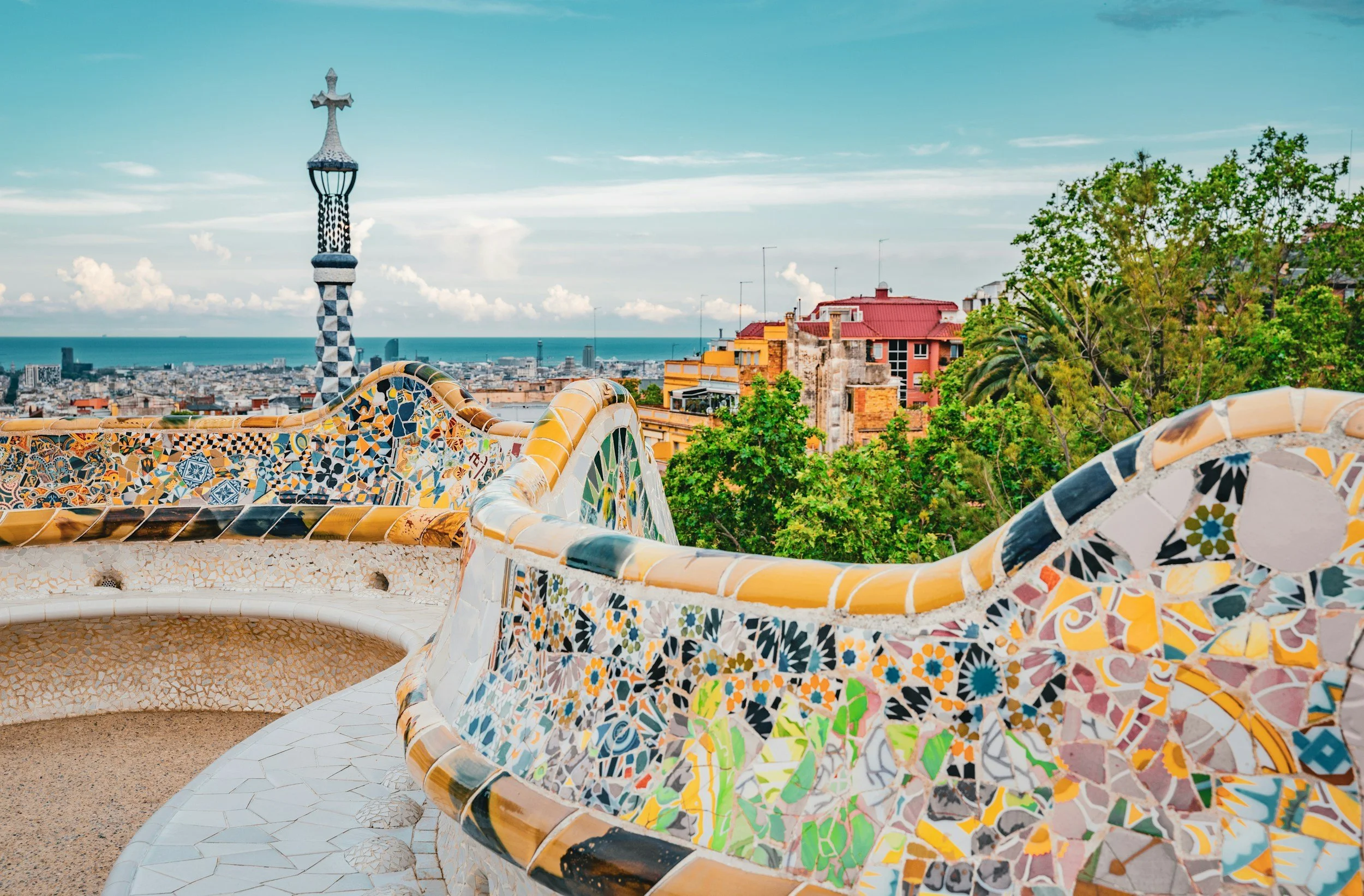
Park Güell is another major Gaudí site, combining architecture, mosaics, gardens, and views across Barcelona. Passeig de Gràcia is home to Casa Batlló and Casa Milà, two more famous examples of Gaudí's work.
The Gothic Quarter provides a completely different experience. Its narrow streets and plazas contain Barcelona Cathedral, Roman remains, shops, restaurants, and historic buildings. Other popular Barcelona attractions include the Picasso Museum, Montjuïc, La Boqueria Market, Palau de la Música Catalana, Arc de Triomf, and the waterfront. You can also spend part of a day at Barceloneta Beach or continue along Barcelona's coastline to its other city beaches.
Lisbon's major attractions are spread among several distinct neighborhoods. Start in Baixa and Praça do Comércio before exploring Chiado and heading uphill into Bairro Alto. Alfama is one of Lisbon's oldest neighborhoods and one of the most interesting areas to explore on foot. Narrow streets climb toward Castelo de São Jorge, with small squares and viewpoints throughout the neighborhood.
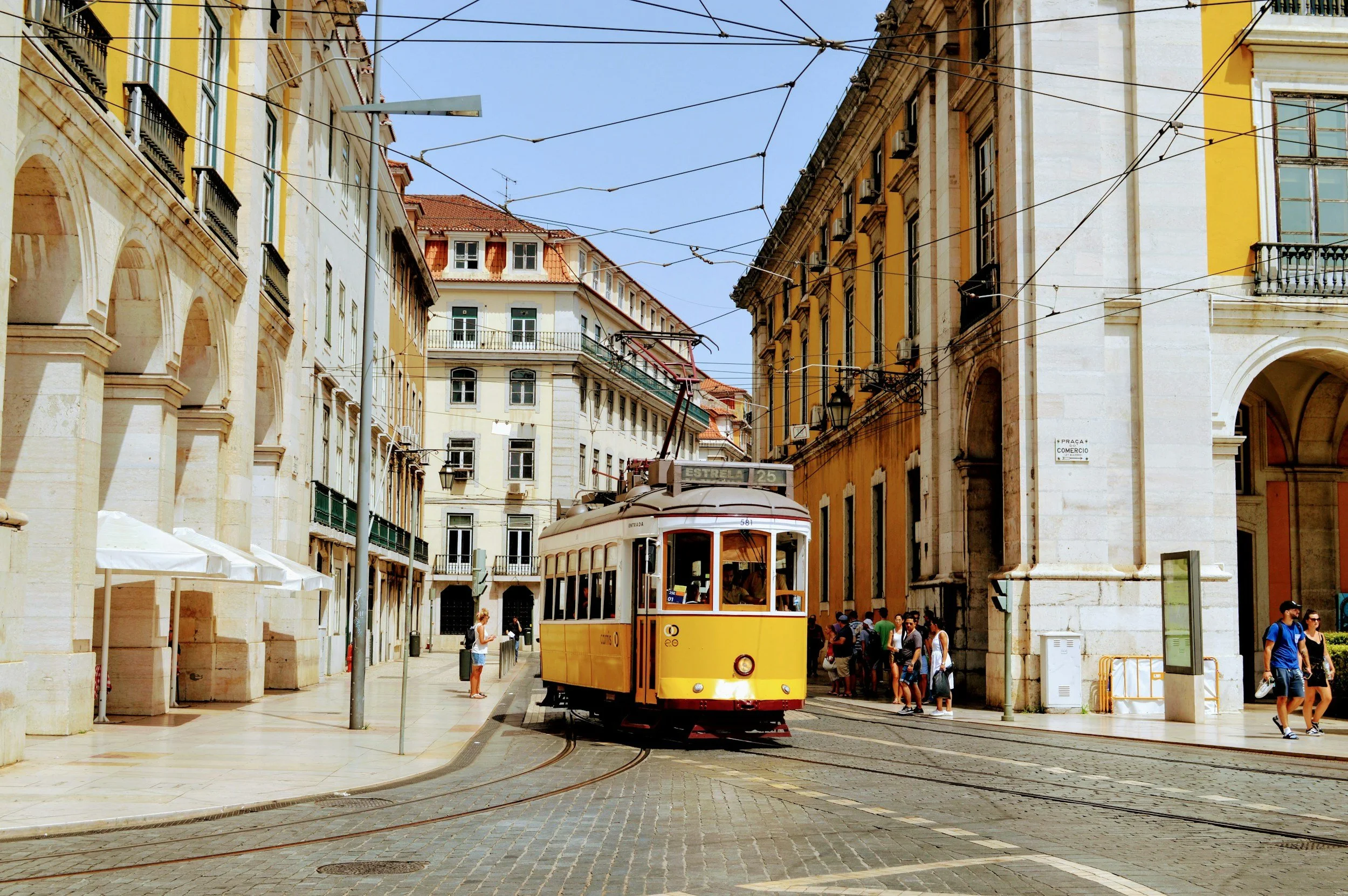
Belém is another essential part of a Lisbon itinerary. Visit Jerónimos Monastery and Belém Tower while learning more about Portugal's maritime history. The Santa Justa Lift is one of the city's most recognizable pieces of historic transportation, while Lisbon's yellow trams have become symbols of the city.
Tram 28 passes through several historic neighborhoods, although it can become extremely crowded. Lisbon's miradouros, or viewpoints, are attractions in their own right. Miradouro da Senhora do Monte, Miradouro de Santa Luzia, and Miradouro das Portas do Sol are among the popular places to see the city from above.
Barcelona vs Lisbon for Architecture
Barcelona has one of the most recognizable collections of architecture in Europe. Gaudí alone gives the city several major landmarks, including the Sagrada Família, Park Güell, Casa Batlló, and Casa Milà. Barcelona also has Roman ruins, Gothic churches, medieval streets, Modernisme buildings, and modern architecture.
Lisbon's architecture is less centered around individual architects and more around entire neighborhoods. You'll see colorful tiled façades, Pombaline buildings, narrow medieval streets, churches, plazas, and architecture connected to Portugal's maritime history.
Belém Tower and Jerónimos Monastery are important examples of Manueline architecture, a Portuguese style associated with the country's Age of Discoveries. For travelers who plan trips specifically around architecture, Barcelona has more individual landmarks that are internationally famous, while Lisbon's architecture is experienced more through walking its neighborhoods and streets.
Barcelona vs Lisbon Beaches
If having a beach directly in the city is important, Barcelona has an advantage. Barcelona has several beaches along the Mediterranean coast, with Barceloneta Beach being the most famous and one of the easiest to reach from the historic center. The beachfront continues northeast to additional beaches including Nova Icària and Bogatell.
You can spend the morning sightseeing and reach the beach later in the same day without leaving Barcelona. The beaches can become extremely busy during summer, but their location is one of Barcelona's biggest advantages for travelers who want a city-and-beach vacation.
Lisbon itself sits on the Tagus River rather than directly on the open Atlantic beaches most travelers picture when thinking about Portugal. You'll need to travel outside central Lisbon for the best traditional beach experience.
Cascais and the beaches along the rail line between Lisbon and Cascais are easy options. Costa da Caparica, across the river from Lisbon, has a long stretch of Atlantic coastline. This means Lisbon still works well for a beach vacation, but reaching the beach generally requires more planning than it does in Barcelona.
Barcelona vs Lisbon Food

Both cities are excellent food destinations, but their cuisines are very different. Barcelona is the capital of Catalonia, so the city's food scene includes Catalan specialties alongside dishes from other regions of Spain.
Tapas are widely available, with dishes such as patatas bravas, croquetas, jamón, anchovies, grilled seafood, and pan con tomate appearing on many menus. Paella is also widely available, although it originated in Valencia rather than Barcelona.
Catalan dishes to look for include escalivada, a dish of roasted vegetables, and crema catalana, a custard dessert topped with caramelized sugar. La Boqueria is Barcelona's most famous market and sits just off La Rambla, although other neighborhood markets can provide a less tourist-heavy experience.
Lisbon's food reflects Portugal's strong connection to the Atlantic. Bacalhau, or salted cod, is one of Portugal's most famous foods. Bacalhau à Brás combines cod with onions, potatoes, and eggs, while grilled sardines are especially popular during summer. Seafood restaurants throughout Lisbon serve octopus, clams, prawns, fish, and seafood rice.
Pastéis de nata are Portugal's famous custard tarts and can be found throughout Lisbon. In Belém, Pastéis de Belém has been producing its own version since the 19th century and remains one of the city's most famous food stops. Time Out Market brings numerous Lisbon restaurants and food vendors together under one roof, although you'll find traditional restaurants and bakeries throughout the city.
Barcelona vs Lisbon Nightlife
Both Barcelona and Lisbon have active nightlife scenes. Barcelona has a larger club scene, beach clubs, cocktail bars, neighborhood bars, music venues, and late-night restaurants. El Born, the Gothic Quarter, Eixample, Gràcia, and areas near the waterfront all offer different nightlife experiences.
Lisbon's nightlife is particularly concentrated around Bairro Alto, where small bars fill the neighborhood's narrow streets. Later at night, many people move downhill toward Cais do Sodré, where you'll find additional bars, clubs, and music venues.
Lisbon is also famous for Fado, a traditional Portuguese style of music. Alfama is one of the most popular areas to hear live Fado performances. If clubs and a larger late-night scene are important, Barcelona offers more choices, while Lisbon combines nightlife with smaller bars, live music, and a more compact bar-hopping area.
Barcelona vs Lisbon for Culture
Barcelona's identity is closely connected to Catalan culture. Catalan and Spanish are both widely used, and Catalan traditions are visible throughout the city. Sant Jordi on April 23 fills the streets with books and roses, while La Mercè is one of Barcelona's biggest annual festivals.
Art and architecture are also central to the city's cultural identity, from Gaudí and Joan Miró to Pablo Picasso's connection with Barcelona.
Lisbon's culture is closely tied to Portuguese maritime history, food, Fado music, religious traditions, and neighborhood life. The Festas de Lisboa and celebrations surrounding Santo António bring street parties, decorations, food, and music to Lisbon during June.
Both cities offer enough museums, historic attractions, festivals, food, and local traditions to build an entire trip around culture.
Barcelona vs Lisbon Public Transportation
Both cities have good public transportation, but Barcelona's larger metro network makes getting across the city particularly easy. Barcelona's transportation system includes the metro, buses, trams, commuter trains, taxis, and bike services.
The metro reaches most areas visitors are likely to explore, including neighborhoods around many major attractions. Barcelona is also relatively walkable within individual neighborhoods. Eixample's street grid makes navigation easy, while the Gothic Quarter and El Born are better explored on foot.
The Aerobús connects Barcelona-El Prat Airport with central Barcelona, while trains and the metro provide additional airport transportation options.
Lisbon has a metro, buses, trams, funiculars, suburban trains, ferries, and taxis. The metro is useful for longer trips, but it doesn't reach every historic neighborhood. Trams and buses help cover areas where the metro doesn't go, while Lisbon's funiculars can save you from climbing some of the city's steepest hills.
Tram 28 is useful but has also become a major tourist attraction, which means it can become packed during busy periods. Lisbon's suburban rail network makes day trips particularly easy, with trains connecting the city with Sintra and Cascais.
Which Is More Walkable: Barcelona or Lisbon?
Both cities are walkable, but Barcelona is physically easier to walk. Central Barcelona is largely flat, particularly around Eixample, the Gothic Quarter, El Born, and the waterfront.
Lisbon's major neighborhoods aren't necessarily far apart, but the hills make walking much more demanding. Cobblestone streets can also become slippery when wet, so comfortable shoes with good traction are useful.
Lisbon's hills shouldn't stop you from walking the city. They are part of what gives Lisbon its character, and they create many of its best views. You just need to expect more climbing and use public transportation strategically. If mobility or steep hills are a concern, Barcelona will generally be easier.
Barcelona vs Lisbon Weather
Barcelona has a Mediterranean climate with hot summers and relatively mild winters. Lisbon also has mild winters and warm to hot summers, but its location near the Atlantic Ocean influences its weather.
Both cities can be visited throughout the year. Spring and fall are particularly good if you want comfortable sightseeing weather without the highest summer temperatures.
July and August are hot and busy in both destinations. Barcelona's Mediterranean location can also make summer feel humid, while Lisbon's hills make sightseeing more demanding during very hot weather.
Winter is cooler and wetter but generally much milder than many destinations in Northern and Central Europe.
Barcelona vs Lisbon Cost
Travel costs vary by season, neighborhood, hotel type, and how far in advance you book. Lisbon historically had a reputation as one of Western Europe's more affordable capital cities, but accommodation prices have increased substantially as tourism has grown.
Barcelona can also be expensive, particularly for centrally located hotels during the summer and major events. Food and transportation can still be relatively affordable in both cities if you move away from the most tourist-heavy areas.
Rather than assuming Lisbon will always be cheaper than Barcelona, compare actual hotel rates for your dates. Accommodation will likely make a much bigger difference to your total trip cost than small differences in public transportation or meal prices.
Barcelona vs Lisbon for Day Trips
Both cities have excellent day-trip options. From Barcelona, Montserrat is one of the most popular choices. The mountain area is home to the Santa Maria de Montserrat Abbey and offers hiking and panoramic views.
Girona is another easy option, with medieval streets, historic walls, and a large old town. You can also visit Sitges for beaches and a smaller coastal-town atmosphere. Other possibilities include Tarragona, Figueres, and destinations along the Costa Brava.
Sintra is the most famous day trip from Lisbon. The town and surrounding hills contain several palaces and historic estates, including Pena Palace and Quinta da Regaleira.
Cascais is an easy coastal trip and can be reached by train from Lisbon. You can also visit Cabo da Roca, the westernmost point of continental Europe, or travel south toward Setúbal. If easy day trips are a major priority, Lisbon has several excellent options within a relatively small geographic area.
Barcelona vs Lisbon for Football
Football is an important part of both cities. Barcelona is home to FC Barcelona, one of the world's best-known football clubs. Its rivalry with Real Madrid is known as El Clásico and is one of the biggest fixtures in international club football.
Lisbon is home to two major Portuguese clubs, Benfica and Sporting CP. Benfica plays at Estádio da Luz, while Sporting CP plays at Estádio José Alvalade. Matches between the two clubs form the Derby de Lisboa.
Football fans can tour stadiums or attend matches depending on schedules and ticket availability.
How Many Days Do You Need in Barcelona?
Three days in Barcelona is enough to see many of the city's biggest attractions, but four or five days gives you a more comfortable itinerary. With three days, you can focus on Gaudí's major attractions, the Gothic Quarter, El Born, Montjuïc, and the waterfront.
A fourth day gives you more time for museums, beaches, neighborhoods such as Gràcia, or additional Gaudí sites. With five days or more, you can add a day trip to Montserrat, Girona, Sitges, or the Costa Brava.
If Barcelona is your first stop in Spain, you can also continue by train to Madrid, Valencia, or other Spanish destinations.
How Many Days Do You Need in Lisbon?
Three days is a good starting point for Lisbon itself. That gives you enough time to explore Baixa, Chiado, Alfama, Bairro Alto, Belém, and several viewpoints.
Four days gives you more time to explore without rushing. If you want to visit Sintra, add at least one additional day. Sintra has enough major attractions that it deserves most of a full day rather than being squeezed into a few hours.
Five days in Lisbon gives you time for the city, Sintra, and potentially Cascais or another nearby destination. Current travel planning sources similarly suggest roughly three to five days for Lisbon and four to six for Barcelona, depending on day trips and pace.
Barcelona vs Lisbon for a Weekend Trip
Both cities can work for a long weekend, but you'll need to prioritize. Barcelona has more major attractions spread across a larger area, so a two-day visit can feel rushed.
Lisbon's central neighborhoods are geographically closer together, although the hills slow you down. For either destination, three nights is much better than trying to fit everything into one or two days.
If you're traveling from North America, spending additional time is worthwhile because of the flight distance and time change.
Barcelona vs Lisbon for Beaches
Barcelona is easier if you want to combine major sightseeing with beach time without leaving the city. You can walk or take public transportation from Barcelona's historic center to the Mediterranean waterfront.
Lisbon requires you to travel outside the central city for traditional Atlantic beaches, but it provides access to several excellent coastal areas.
Barcelona makes it easier to incorporate the beach into an ordinary sightseeing day. Lisbon works well if you don't mind turning the beach into a half-day or full-day trip.
Barcelona vs Lisbon for Food
Both cities are excellent choices, but they offer very different food experiences. Barcelona provides Catalan cuisine, tapas, markets, seafood, wine, and restaurants representing regions throughout Spain.
Lisbon is particularly strong for seafood, Portuguese pastries, cod dishes, grilled fish, and traditional neighborhood restaurants. If pastéis de nata, seafood, and Portuguese food are high on your list, Lisbon has a clear identity around those foods. Barcelona provides a larger restaurant scene with Catalan and broader Spanish influences.
Barcelona vs Lisbon for Nightlife
Barcelona has the larger nightlife scene and more major clubs. Lisbon's nightlife is concentrated into areas such as Bairro Alto and Cais do Sodré, making it easy to move between bars on foot.
Barcelona offers more variety across several neighborhoods, including clubs, cocktail bars, beach venues, live music, and casual neighborhood bars. Both cities stay active late into the night, although the style and geographic layout of their nightlife areas differ.
Barcelona vs Lisbon for First-Time Visitors to Europe
Both cities are manageable choices for a first trip to Europe. Barcelona has a straightforward metro system, major attractions that are easy to identify in advance, and a relatively flat city center.
Lisbon is smaller and has a more compact historic core, but its hills and cobblestone streets can make getting around more physically demanding. English is commonly encountered in tourist areas of both cities, although learning basic Spanish, Catalan, or Portuguese phrases is always useful.
Both cities also have large international airports and good connections to other European destinations.
Can You Visit Barcelona and Lisbon on the Same Trip?
Yes, and combining Barcelona and Lisbon can work particularly well if you have at least a week. The cities are not close enough for a convenient train trip, so flying is generally the easiest way to travel between them.
A seven-day itinerary could include three days in Barcelona, a flight between the cities, and three days in Lisbon. With nine or ten days, you could add a Barcelona day trip and a full day in Sintra.
If you have two weeks, Barcelona and Lisbon can become part of a larger Spain and Portugal itinerary.
Barcelona vs Lisbon: Frequently Asked Questions
Is Barcelona or Lisbon Better for Beaches?
Barcelona is more convenient for beaches because several Mediterranean beaches are directly within the city. Lisbon has access to excellent Atlantic beaches, but you'll generally need to travel outside the central city to reach them.
Is Barcelona or Lisbon More Walkable?
Barcelona is generally easier to walk because much of the central city is relatively flat. Lisbon is compact, but its steep hills and stairways make walking more physically demanding.
Is Barcelona or Lisbon Cheaper?
Lisbon can still be less expensive for certain meals, transportation, and accommodations, but the difference isn't always significant. Hotel prices in both cities change considerably by season, so compare rates for your specific dates.
Does Barcelona or Lisbon Have Better Public Transportation?
Both cities have good public transportation. Barcelona's extensive metro network is especially useful for reaching attractions spread across the city, while Lisbon has a smaller metro system supplemented by buses, trams, funiculars, suburban trains, and ferries.
Is Barcelona or Lisbon Better for Nightlife?
Barcelona has a larger club and nightlife scene. Lisbon also has excellent nightlife, particularly around Bairro Alto and Cais do Sodré, along with traditional Fado performances.
Is Barcelona or Lisbon Better for Food?
Both are excellent food destinations. Barcelona is best known for Catalan and Spanish cuisine, tapas, markets, and Mediterranean influences, while Lisbon is known for Portuguese seafood, bacalhau, grilled sardines, and pastéis de nata.
Is Barcelona or Lisbon Better for a Family Vacation?
Both can work well for families. Barcelona offers beaches, parks, major attractions, an extensive metro network, and relatively flat neighborhoods. Lisbon has family-friendly attractions and easy day trips, but families with strollers should be prepared for steep hills and cobblestone streets.
Is Barcelona or Lisbon Better for Couples?
Both cities work well for couples. Barcelona offers architecture, beaches, restaurants, nightlife, and a larger-city experience, while Lisbon has viewpoints, historic neighborhoods, waterfront areas, restaurants, and easy day trips to places such as Sintra and Cascais.
Which Has Better Weather, Barcelona or Lisbon?
Both have relatively mild climates. Barcelona has a Mediterranean climate, while Lisbon's weather is influenced by the Atlantic. Summers are warm to hot in both cities, while winters are considerably milder than much of Northern Europe. Spring and fall are excellent times to visit either city.
Should You Spend More Time in Barcelona or Lisbon?
Barcelona generally has more major attractions within the city, so four or five days can be useful for a first visit. Three or four days works well for Lisbon itself, but you should add another day if you want to visit Sintra.
Barcelona vs Lisbon: Which City Should You Visit?
Barcelona and Lisbon are both excellent choices for a European city break, but they provide noticeably different trips. Barcelona combines Gaudí architecture, Catalan culture, Mediterranean beaches, major museums, nightlife, and a large list of famous attractions. Its flatter layout and extensive metro system also make moving around the city relatively straightforward.
Lisbon is built around historic neighborhoods, hills, viewpoints, traditional trams, Portuguese food, Fado, and the Tagus River. It also provides easy access to Sintra, Cascais, and Portugal's Atlantic coast.
If you're most interested in architecture, major attractions, city beaches, and nightlife, Barcelona may fit your itinerary better. If you're drawn to historic neighborhoods, viewpoints, Portuguese food, day trips, and a somewhat more compact city experience, Lisbon may be the better match.
If you have enough time, Barcelona and Lisbon are different enough that visiting both on the same European vacation is well worth considering.